The eVTOL War: How Patent Battles and Trade Secret Suits are Grounding the Air Taxi Dream
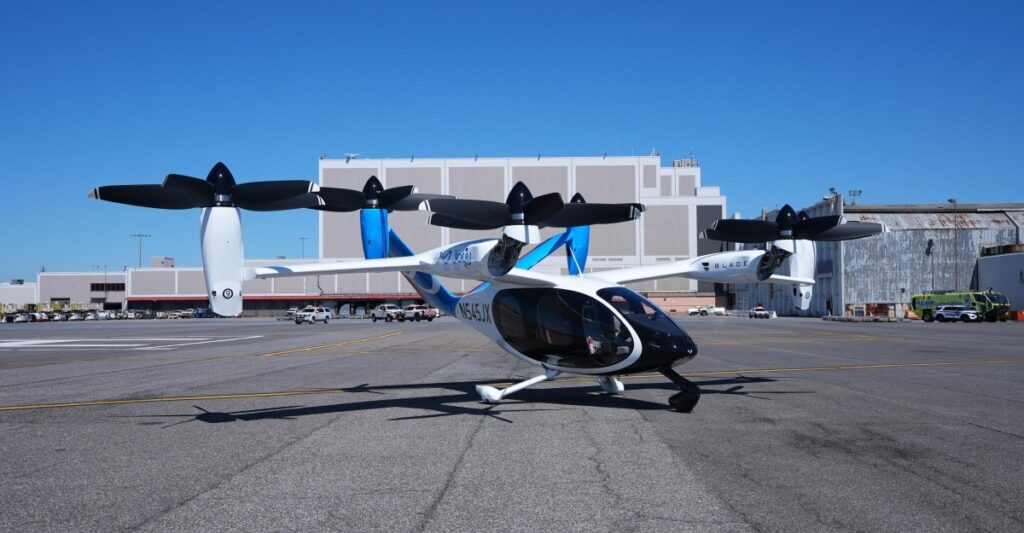
Table of Contents
A Race to the Clouds, a Rush to the Courtroom
The dream of bypassing gridlocked urban traffic in a whisper-quiet, electric vertical takeoff and landing (eVTOL) aircraft is increasingly being replaced by the sterile reality of deposition rooms and legal filings. While Joby Aviation, Archer Aviation, and Vertical Aerospace vie for the title of the first commercial air taxi operator, their competition has shifted from wind tunnels to the judiciary.
The sector is currently embroiled in a series of high-stakes legal skirmishes that threaten to deplete the cash reserves of companies already struggling with the grueling timelines of federal certification. These are not merely incidental disagreements; they are existential battles over intellectual property and regulatory compliance that could determine who actually survives the transition from prototype to passenger service.
The Bay Area Blood Feud
Nowhere is this rivalry more visceral than in the San Francisco Bay Area, where Joby and Archer operate within an hour’s drive of one another. The relationship has devolved into a cycle of aggressive litigation and countersuits.
In late 2025, Joby launched a legal offensive accusing Archer of corporate espionage. The core of the complaint centers on a former Joby employee who migrated to Archer, allegedly bringing a trove of technical data and stakeholder communications. Joby contends that Archer didn’t just hire a talented engineer, but actively utilized stolen proprietary information to accelerate its own development.
Archer’s response was a tactical pivot toward regulatory vulnerability. In March 2026, Archer filed a countersuit alleging that Joby defrauded the U.S. government by misclassifying aircraft components imported from China—claiming some were labeled as mundane consumer goods like “hair clips” and “socks” to evade tariffs. This maneuver proved effective; the International Trade Commission subsequently opened an investigation into Joby’s supply chain. Given that any disruption in parts availability could push back certification, the investigation poses a significant risk to Joby’s goal of launching service by 2028.
Global Design Disputes
The litigation isn’t confined to U.S. shores. Archer has expanded its legal perimeter to include UK-based Vertical Aerospace. In February, Archer alleged that Vertical’s “Valo” aircraft is a derivative of the Archer “Midnight” design. Both aircraft share strikingly similar specifications: four passengers, tilt-rotor propellers, a 150mph cruise speed, and a 100-mile range.
Eric Lentell, Archer’s chief strategy and legal officer, argued that the similarities are too specific to be coincidental. Vertical Aerospace has dismissed these claims as a “distraction,” suggesting that Archer is using the courts to mask its own market challenges. However, in an industry where a single patented wing-tilt mechanism can be the difference between a viable aircraft and a failure, these “distractions” carry heavy financial weight.
The Certification Bottleneck
These battles are occurring against a backdrop of extreme regulatory pressure. No eVTOL manufacturer has yet achieved full FAA type certification for commercial passenger flight in the U.S. The process is notoriously rigid, requiring exhaustive proof of safety and reliability.
Joby is currently the perceived leader, having progressed through all four stages of the certification process and demonstrating a flight from JFK to Lower Manhattan in April. To bypass the stricter U.S. hurdles, Joby is eyeing Dubai for its first launch, where certification requirements are more flexible. Archer is trailing slightly, having completed three of the four stages, with a public target of being operational for the 2028 Los Angeles Olympics.
Investor Fatigue and Market Realities
Wall Street is losing patience with the drama. The financial markets have largely priced in the risks of delayed certifications, but the added cost of protracted legal warfare is a new variable. Since the start of the year, Joby’s stock has shed nearly 35% of its value, while Archer has seen a similar plummet of roughly 33%.
The talent pool for eVTOL engineering is remarkably small, making trade secret disputes almost inevitable. However, when companies begin weaponizing regulatory bodies like the ITC to sabotage a rival’s timeline, the industry risks a “race to the bottom” where legal victory is prioritized over engineering breakthroughs. For the passengers waiting for a ride over the city, the concern is that the lawyers are winning while the aircraft remain on the tarmac.