Kojima’s ‘OD’ is Testing the Limits of Digital Terror and Cinematic Gaming
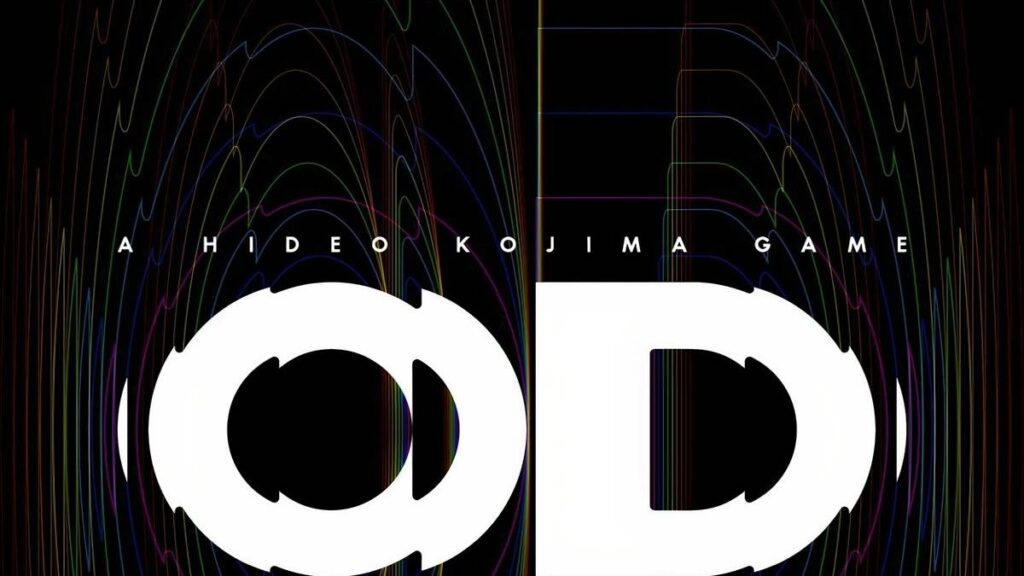
Table of Contents
Beyond the Jump Scare: Kojima’s Newest Experiment
Hideo Kojima has never been interested in simply making games; he is interested in creating new mediums. His latest project, titled OD, appears to be his most aggressive attempt yet to dismantle the wall between interactive software and traditional cinema. While the project has been shrouded in mystery since its initial announcement, new details and a teaser have finally provided a glimpse into the game’s central conceit: the physiological and psychological limits of fear.
The title OD serves as a double entendre, suggesting both a pharmacological overdose and a sensory saturation of terror. According to early descriptions, the project focuses on “testing your fear threshold,” suggesting that the game may employ biometric feedback or innovative input methods to gauge a player’s actual stress levels in real-time. This move aligns with Kojima’s career-long obsession with immersion, moving past the visual fidelity of 4K textures and into the realm of emotional and biological response.
A High-Profile Cinematic Cast
To ground this experimental horror in human emotion, Kojima has assembled a cast that leans heavily into prestige television and indie cinema. The latest teaser confirms the involvement of Sophia Lillis (known for Dungeons & Dragons: Honor Among Thieves and It), Hunter Schaffer (Euphoria), and the legendary Udo Kier (Flesh for Frankenstein).
The inclusion of Kier, a veteran of European cult and horror cinema, is a telling signal of the project’s aesthetic direction. By pairing Gen-Z breakouts like Lillis and Schaffer with a seasoned character actor like Kier, Kojima is likely aiming for a cross-generational psychological tension that mirrors the fragmented nature of modern trauma and digital isolation.
The Xbox Partnership and the ‘New Medium’
Developed in collaboration with Microsoft, OD is more than just a strategic partnership for Xbox Game Studios; it is a technical sandbox. The project is being built with the goal of pushing the boundaries of what a “game” is. Industry insiders suggest that OD may utilize advanced facial capture and cloud-computing capabilities to create hyper-realistic human performances that react dynamically to the player’s choices, potentially eliminating the “uncanny valley” that often plagues high-budget horror titles.
This isn’t the first time Kojima has flirted with the idea of a “non-game.” From the meta-commentary of Death Stranding to the tactical espionage of Metal Gear Solid, he has always sought to challenge the player’s expectations of agency. With OD, the focus shifts from conquering an environment to surviving an internal emotional state. The question isn’t whether the player can beat a boss, but whether they can withstand the psychological pressure of the narrative.
Contextualizing the Horror
The horror genre in gaming has recently shifted from the “survival horror” of the early 2000s to a more atmospheric, psychological approach. OD seems poised to push this further by treating fear as a measurable metric. If the project succeeds in “blurring the boundaries of gaming and film,” it could set a precedent for how future titles handle narrative pacing, moving away from scripted cutscenes toward a seamless, reactive flow of storytelling.
While a release date remains elusive, the project represents a significant gamble for both Kojima and Microsoft. In an era of safe sequels and battle passes, a project dedicated to the visceral exploration of fear is a reminder that the intersection of technology and art is where the most disruptive innovations occur.