Nobel Prize Winner John Jumper Exits Google DeepMind for Anthropic
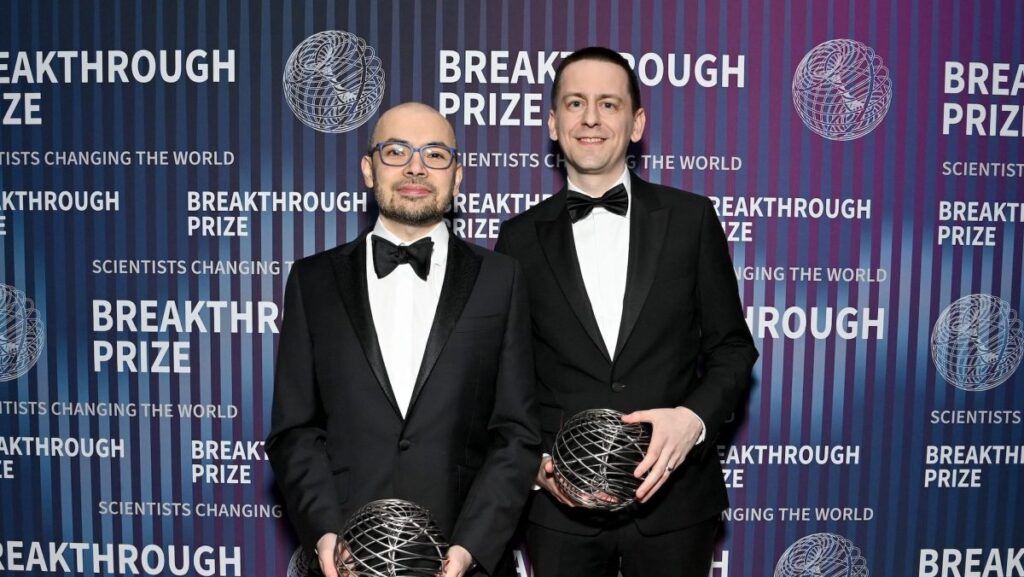
Table of Contents
A High-Stakes Defection in the AI Talent War
The competitive landscape of artificial intelligence just shifted again. John Jumper, the scientist who recently shared the Nobel Prize in Chemistry for his groundbreaking work on AlphaFold, announced Friday that he is leaving Google DeepMind to join Anthropic. The move marks a significant loss for Google and a strategic win for the San Francisco-based startup, which has been aggressively courting top-tier research talent to challenge the dominance of the incumbents.
Jumper’s departure comes after nearly nine years at DeepMind, where he rose from a PhD graduate to one of the most influential figures in computational biology. In a post on X, Jumper credited DeepMind CEO Demis Hassabis for taking a “real chance” by allowing him to lead the AlphaFold team just six months after completing his doctorate. While the departure is framed as a natural progression in his career, the timing is poignant, occurring shortly after the global recognition of his work by the Nobel Committee.
The AlphaFold Legacy and the Shift to Anthropic
To understand why Jumper is a prized asset for Anthropic, one must look at the impact of AlphaFold. The model solved a 50-year-old “grand challenge” in biology by predicting the 3D structure of proteins based on their genetic sequences. This capability didn’t just win a Nobel; it accelerated drug discovery and the understanding of diseases across the globe. By bringing Jumper into the fold, Anthropic isn’t just hiring a researcher; they are acquiring a blueprint for how to apply LLM-style scaling to specialized, hard-science domains.
While Anthropic is best known for its Claude series of LLMs and its focus on “AI safety,” the recruitment of Jumper suggests a broader ambition. There is a growing trend among AI labs to move beyond general-purpose chatbots and toward “AI for Science.” Whether Anthropic intends to build a direct competitor to AlphaFold or integrate biological modeling into its broader AI ecosystem remains unclear, but Jumper’s expertise provides a massive head start.
A Pattern of Attrition at DeepMind
Jumper is not the only high-profile exit from the Google ecosystem this week. In a simultaneous blow to DeepMind, co-founder Noam Shazeer also announced his departure, this time heading to OpenAI. Shazeer, a key architect of the Transformer architecture that powers almost every modern AI, represents a different but equally critical kind of loss: the foundational engineering brilliance that made the current AI boom possible.
Bloomberg reports that Jumper was also deeply involved in Google’s efforts to develop AI-driven coding tools. Despite the technical prowess of these tools, Google has reportedly struggled to monetize them effectively in the enterprise market, facing stiff competition from GitHub Copilot and emerging agents from startups. This suggests a growing friction between the pure research culture of DeepMind and the commercial imperatives of Google’s broader business strategy.
The Implications for the AI Ecosystem
This exodus reflects a wider trend in the industry where “founder-scientists” are increasingly moving toward agile, venture-backed entities where they can operate with more autonomy and less corporate bureaucracy. Google DeepMind has historically been a sanctuary for long-term research, but as the race to AGI (Artificial General Intelligence) accelerates, the boundaries between research labs and commercial products have blurred.
For Anthropic, Jumper’s arrival signals a pivot toward high-impact scientific discovery. If the company can successfully merge Jumper’s biological modeling expertise with their existing constitutional AI framework, they may create a new category of “Safe Science AI” that could disrupt pharmaceutical R&D and materials science.
For now, Google remains a powerhouse with an immense data moat and the continued leadership of Demis Hassabis, but the loss of the very people who defined its most successful era of discovery is a signal that the talent war is entering a more volatile phase.