Ubisoft’s Assassin’s Creed Shadows Attempts a High-Stakes Pivot to Feudal Japan
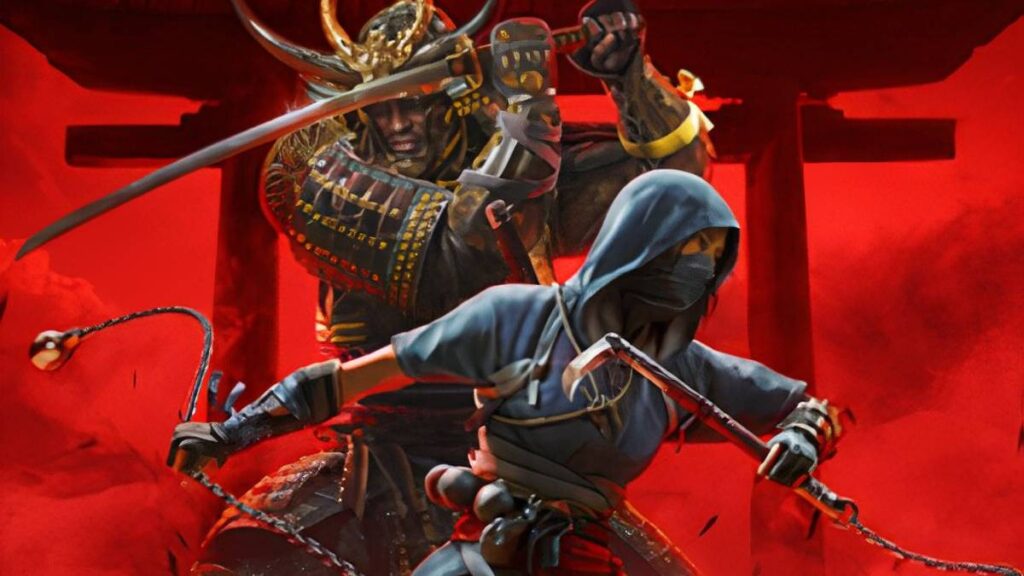
Table of Contents
A Long-Awaited Setting
For over a decade, the request for a feudal Japan setting has been the most persistent demand within the Assassin’s Creed community. Ubisoft is finally answering that call with Assassin’s Creed Shadows, a title that seeks to move away from the sprawling, often bloated RPG mechanics of the Valhalla era and return to a more focused, tactical experience.
The game is built around a dual-protagonist system that fundamentally alters how players interact with the environment. Rather than a single character who can do everything, players must switch between Naoe, a shinobi assassin, and Yasuke, a legendary samurai. This isn’t just a narrative gimmick; it is a mechanical divide. Naoe represents the traditional stealth-first approach of the early franchise—prioritizing agility, shadow-work, and avoidance. Yasuke, conversely, provides a high-impact combat experience, utilizing heavy weaponry and direct confrontation to break through enemy lines.
Dynamic Worlds and Reactive Environments
One of the most technically ambitious aspects of Shadows is its implementation of seasonal changes and weather. Unlike previous titles where environmental effects were largely cosmetic, the world of feudal Japan in Shadows reacts to the calendar. Snowfall can cover tracks or obscure vision, and rain affects how guards hear footsteps, forcing players to adapt their infiltration strategies based on the current climate.
The map spans a diverse range of locales, from the high-density architecture of castle towns and bustling ports to the meditative silence of Shinto shrines. Ubisoft has leaned into a ‘reactive’ environment model, where the state of the world shifts based on the player’s influence and the growth of their intelligence network.
The Intelligence Game: Spies and Hideouts
Beyond the combat and traversal, Ubisoft is introducing a more robust systemic approach to information gathering. The ‘Shinobi League’ mechanic allows players to build a network of spies across different regions. This transforms the hunt for targets from a simple marker on a map into a process of gathering intel and deploying assets to flush out enemies.
This network is managed through a customizable hideout. While hideout customization has appeared in various forms across the series, Shadows treats the base as a hub for training crew members and crafting gear, integrating the social and logistical side of the shinobi lifestyle into the core gameplay loop.
A Return to Form?
Early critical reception, including a strong 9/10 rating from GameRant, suggests that Ubisoft has successfully tightened the experience. The shift back toward a more structured historical adventure—as opposed to the limitless, often unfocused scope of recent entries—seems to be resonating. By splitting the gameplay between two distinct archetypes, Ubisoft has managed to satisfy both the stealth purists and those who prefer the visceral thrill of samurai combat.
As the title prepares for launch on PlayStation 5, Xbox Series X|S, and PC, the industry will be watching to see if the dual-protagonist gamble pays off or if the divide in playstyles creates a friction that disrupts the narrative flow.