The Lebanon Buffer: How Israel’s Ground Campaign is Derailing the US-Iran Rapprochement
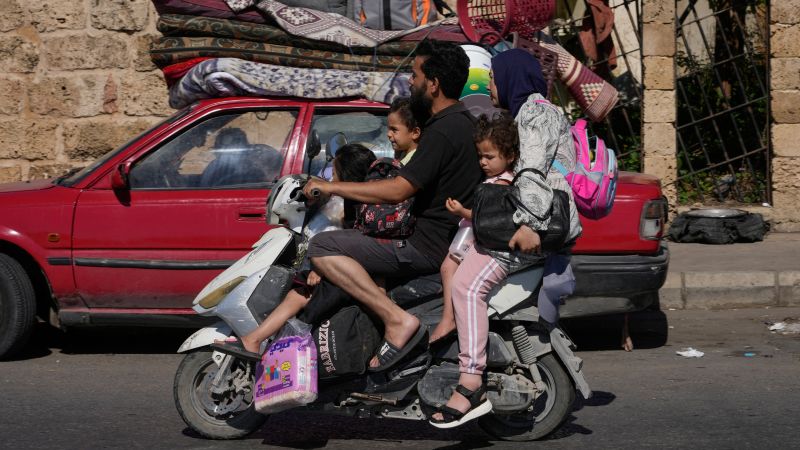
Table of Contents
A Fragile Peace Under Fire
The geopolitical architecture of the Middle East is currently balanced on a knife’s edge. A tentative 14-point memorandum of understanding between the United States and Iran, designed to end a grueling three-month conflict, is facing an existential threat not from Tehran, but from the continued Israeli military presence in southern Lebanon.
The agreement is explicit: a permanent termination of military operations on all fronts. For the United States, the deal represents a strategic pivot to stabilize the region and reopen the door to negotiations regarding Iran’s nuclear program and the lifting of economic sanctions. However, the reality on the ground in Lebanon tells a different story. Despite the diplomatic ink, Israeli forces remain entrenched in southern Lebanese territory, asserting that a withdrawal would be premature and dangerous.
The friction point centers on the “security zone.” Prime Minister Benjamin Netanyahu has been unequivocal in his refusal to exit the region, stating that the security of northern Israel depends on maintaining a buffer in Lebanon. This stance places Israel in direct conflict with the terms of the US-Iran deal, which mandates the restoration of Lebanon’s territorial integrity and sovereignty.
The Catalyst: From Gaza to the Galilee
To understand the current volatility, one must look at the escalation cycle that began in October 2023. Following the Hamas attacks on southern Israel, Hezbollah—Iran’s most potent paramilitary proxy—initiated cross-border rocket fire in a show of solidarity. What followed was a year of attrition that saw the assassination of Hezbollah leader Hassan Nasrallah and a subsequent shift in Israeli strategy toward a deeper ground penetration of Lebanese soil.
The situation deteriorated further in February 2026, following the airstrike that killed Iran’s supreme leader, Ayatollah Ali Khamenei. The resulting retaliatory strikes from Hezbollah in March prompted Israel to launch an intense wave of aerial bombardments and a ground offensive intended to create a permanent buffer. According to the Lebanese health ministry, more than 3,900 people have been killed in this latest escalation, with thousands of homes demolished in southern villages like Kfar Roummane.
This military objective—the total degradation of Hezbollah’s operational capacity—is fundamentally at odds with the US-led diplomatic effort. The memorandum of understanding stipulates that Hezbollah would cease fire provided that Israeli strikes stopped. By continuing these operations, Israel is effectively testing the limits of its relationship with the current US administration.
The Diplomatic Deadlock
The tension has now reached the highest levels of the US government. Vice President JD Vance has reportedly grown impatient with the Israeli government’s reluctance to adhere to the ceasefire terms, warning that Israel should not undermine its “only powerful ally.” The US is currently facing a diplomatic stalemate: Iran is refusing to resume talks on nuclear sanctions until it receives verifiable guarantees that hostilities in Lebanon have ended.
For Tehran, the protection of Hezbollah is a non-negotiable pillar of any regional agreement. For the far-right elements of the Israeli cabinet, such as National Security Minister Itamar Ben Gvir, any concession to the US or Iran is viewed as a sacrifice of Israeli soldiers’ lives and national security. Ben Gvir has publicly asserted that the “blood of our sons” is not a bargaining chip for American diplomatic goals.
As US President Donald Trump reiterated the expectation of a “complete ceasefire on all fronts,” the gap between Washington’s diplomatic goals and Jerusalem’s military objectives continues to widen. With the postponement of critical US-Iran talks and the ongoing displacement of families in cities like Sidon and Tyre, the memorandum of understanding risks becoming a dead letter before it is ever fully implemented.