Google’s Hardware Gamble: The ‘Googlebook’ aims to unify ChromeOS and Android via AI
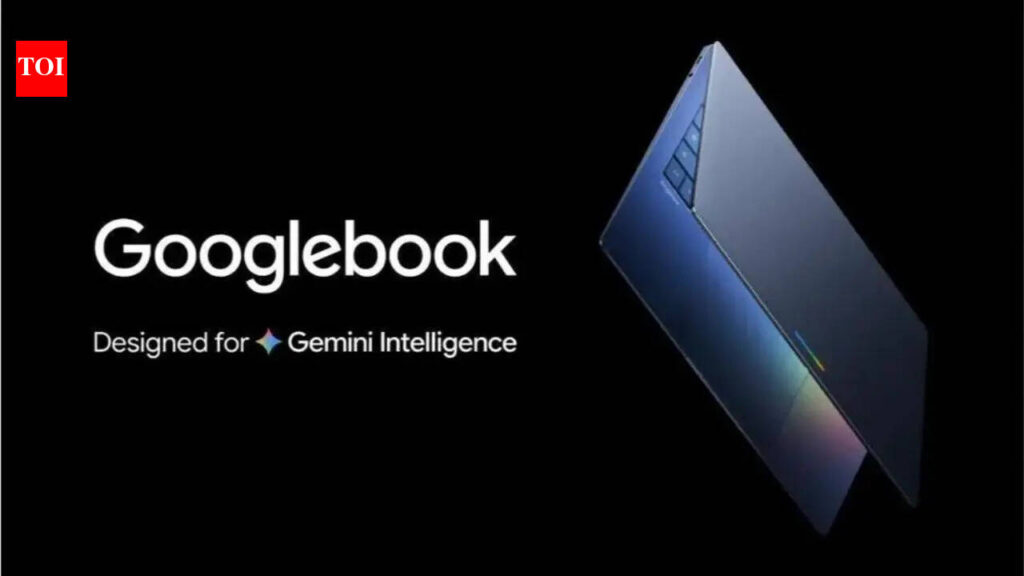
Table of Contents
A New Playbook for Google Hardware
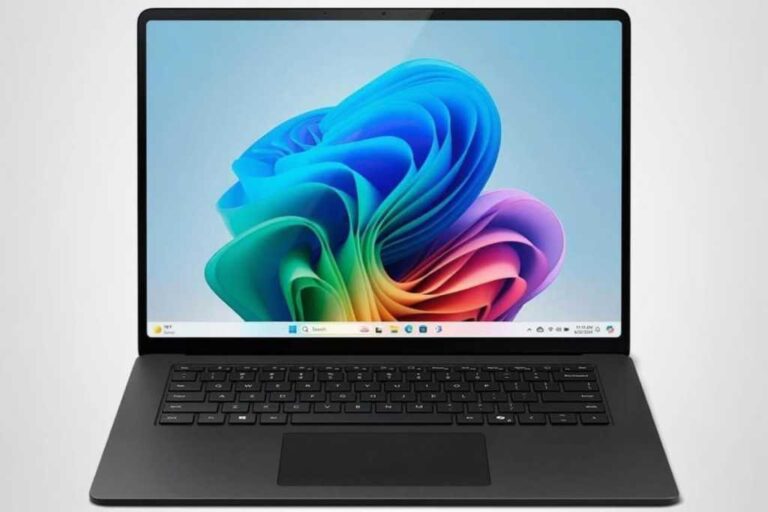
For years, Google has treated its laptop offerings as a fragmented ecosystem, balancing the lightweight nature of ChromeOS with the heavy-lifting capabilities of Android. The arrival of the Googlebook marks a definitive shift in that philosophy. Rather than acting as a mere portal to the web, the Googlebook is designed as a flagship ‘AI PC,’ attempting to bridge the gap between high-end productivity and the seamless integration of Google’s Gemini AI models.
The core of the Googlebook’s appeal isn’t just the hardware specs—which likely mirror the premium build quality of the Pixel series—but the underlying software synthesis. Industry insiders suggest the device runs a heavily modified version of ChromeOS that integrates Android subsystem capabilities natively, removing the lag and friction that have historically plagued Chromebooks attempting to run mobile apps.
The AI Integration Layer
Unlike the ‘AI PCs’ from Microsoft and Dell, which rely heavily on NPU-driven local processing for basic tasks, the Googlebook leverages a hybrid approach. By utilizing a tight coupling between local Tensor processing and Google’s cloud-based Gemini Ultra, the device aims to provide real-time multimodal assistance. This means the laptop can potentially ‘see’ what is on your screen and provide contextual suggestions, draft emails based on cross-app data, and automate complex workflows across Google Workspace without the user needing to manually switch tabs.
This integration positions the Googlebook directly against the MacBook Air and the Surface Pro, particularly as those devices lean into their own AI cohorts. Google’s advantage here is the ecosystem; if the Googlebook can make the transition between a Pixel phone and a laptop invisible, it solves a decade-old problem of hardware cohesion.
India: The High-Stakes Testing Ground
While the US and European markets provide stability, Google is treating India as the primary barometer for the Googlebook’s success. The move is strategic. India represents one of the fastest-growing markets for premium laptops and a massive population of developers and students who are currently locked into Windows or macOS environments.
The challenge in India is twofold: price sensitivity and the ‘app gap.’ For the Googlebook to penetrate the Indian market, Google must ensure that the device isn’t just a luxury gadget for the elite, but a viable tool for the burgeoning freelance and startup economy. There are reports that Google may introduce localized AI features tailored for Indian languages, providing a level of accessibility that competitors like Apple have been slow to implement.
Hardware Specs and Ecosystem Lock-in
While official specifications remain closely guarded, leaked benchmarks indicate a focus on energy efficiency and thermal management to avoid the ‘throttling’ issues seen in previous high-end Chromebooks. The inclusion of a dedicated AI chip is expected, allowing for offline voice transcription and basic image generation, reducing the dependency on constant high-speed connectivity—a critical factor for users in diverse geographic regions.
Ultimately, the Googlebook is less about selling a piece of aluminum and silicon and more about selling a vision of a unified Google life. If the device fails to gain traction in India, it may signal that the world is not yet ready to abandon the traditional x86 architecture in favor of Google’s AI-first vision.