Xiaomi TV FX Mini LED Series Hits India: A Budget-Friendly Push Into High-End Display Tech
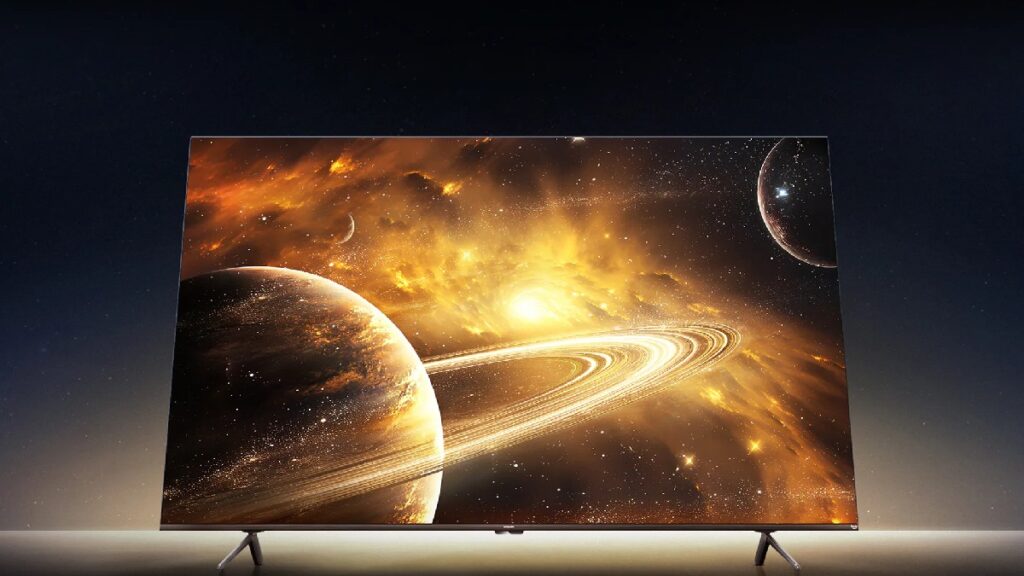
Table of Contents
The Shift Toward Accessible Mini LED
Xiaomi has officially expanded its display portfolio in India with the launch of the TV FX Mini LED series. While Mini LED technology has traditionally been reserved for flagship panels from Samsung and Sony—often costing upwards of six figures—Xiaomi is attempting to democratize this high-contrast experience. The series arrives in four sizes (43, 55, 65, and 75 inches), starting at a disruptive introductory price of Rs. 29,999.
- Aggressive Pricing: The 43-inch model starts at an introductory price of Rs. 29,999, making it one of the most affordable Mini LED entries in the Indian market.
- Fire TV Ecosystem: Moving away from proprietary skins, the FX series integrates Amazon’s Fire TV OS for a more robust app ecosystem.
- Display Tech: Features Quantum Dot (QD) Mini LEDs with Full Array Local Dimming for deeper blacks and higher peak brightness.
- Gaming Focus: Select larger variants support DLG 120Hz mode to cater to console gamers seeking smoother motion.
Understanding QD-Mini LED: Why It Matters
To understand why the Xiaomi TV FX series is a significant move, one must look at the hardware. QD-Mini LED is a hybrid display technology that combines the color precision of Quantum Dots with the lighting control of Mini LEDs. Unlike traditional LED-LCDs that use a few dozen large backlight zones, Mini LEDs use thousands of tiny diodes. This allows for Full Array Local Dimming (FALD), where the TV can turn off specific clusters of LEDs to produce true blacks while keeping nearby bright areas vivid.
In practical terms, this solves the “blooming” effect often seen in budget TVs, where light from a bright object (like a moon in a night sky) bleeds into the surrounding black areas. By integrating Quantum Dots, Xiaomi enhances the color gamut, ensuring that reds and greens are more saturated and accurate, mimicking the performance of high-end QLED panels.
The Fire TV Integration Advantage
A critical strategic shift in this series is the adoption of Fire TV. For years, Xiaomi relied on its PatchWall interface. While PatchWall is excellent for content discovery in India, Fire TV provides a more seamless global app ecosystem. Users get native access to the Amazon Appstore, integrated Alexa voice control, and a more streamlined UI that is generally more responsive than generic Android TV forks.
Technical Specifications and Performance Breakdown
The hardware under the hood is designed for stability rather than raw power. A quad-core processor handles the 4K upscaling and OS navigation, supported by 32GB of onboard storage. While 32GB is modest by smartphone standards, it is sufficient for the majority of streaming apps, though power users may find it limiting if they install numerous heavy games.
| Model Size | Standard Price | Introductory Price | Key Feature |
|---|---|---|---|
| 43-inch | Rs. 32,999 | Rs. 29,999 | Compact HDR10+ Support |
| 55-inch | Rs. 44,999 | Rs. 39,999 | Balanced Performance |
| 65-inch | Rs. 64,999 | Rs. 59,999 | Expanded Viewport |
| 75-inch | Rs. 84,999 | Rs. 79,999 | DLG 120Hz Game Mode |
The 120Hz Gaming Question
Xiaomi mentions DLG (Dual Line Gate) 120Hz on select variants. It is important to distinguish this from a native 120Hz panel. DLG is a software-hardware hybrid technique that doubles the perceived frame rate by sacrificing vertical resolution. For gamers using a PS5 or Xbox Series X, this provides a smoother experience than 60Hz, though it won’t match the crispness of a native 120Hz OLED or high-end Mini LED. However, at this price point, providing any form of 120Hz motion is a win for the consumer.
What This Means for the Consumer
For the average viewer, the TV FX series represents a bridge. If you are upgrading from a basic LED TV, the jump to Mini LED is jarringly positive—blacks are deeper, and the HDR highlights in movies will actually “pop.”
For the tech enthusiast, this is a value play. You are getting a panel that mimics the contrast ratios of much more expensive sets. The trade-off is likely in the peak brightness (nits) and the total number of dimming zones, which Xiaomi has not fully disclosed. However, the inclusion of HDR10+ and Dolby Audio ensures that the series is compatible with the majority of high-quality streaming content from Netflix and Disney+.
Market Positioning and Competitive Landscape
Xiaomi is positioning the FX series to undercut competitors like TCL and Hisense, who have also been aggressive with Mini LED pricing in India. By leveraging its existing distribution network and the popularity of the Fire TV ecosystem, Xiaomi is targeting the “aspirational middle class”—users who want premium tech but cannot justify the Rs. 1.5 Lakh price tag of a Sony Bravia Mini LED.
Potential Limitations
While the specs are impressive on paper, there are a few caveats. The 32GB storage may lead to slower performance over time as the OS updates. Additionally, while Dolby Audio is present, budget TVs often lack the physical driver size for a true cinematic bass experience; users will likely still need a dedicated soundbar for a full home theater setup.
FAQ: Common Questions About Xiaomi TV FX Mini LED
Is the Xiaomi TV FX Mini LED better than OLED?
OLED still wins on perfect blacks and per-pixel lighting. However, Mini LED is generally brighter, making it better for bright living rooms where sunlight hits the screen. It also doesn’t suffer from permanent burn-in.
What is the difference between the 43-inch and 75-inch models?
Beyond size and price, the larger models typically offer better motion handling via DLG 120Hz, making them more suitable for gaming and sports.
Does it support all streaming apps?
Yes, thanks to the Fire TV integration, you have access to the Amazon Appstore, which includes Netflix, Prime Video, YouTube, and Disney+ Hotstar.
What is HDR10+?
HDR10+ is a dynamic metadata format that adjusts brightness and contrast on a frame-by-frame basis, resulting in a more detailed image than standard HDR10.
Is the introductory price a limited-time offer?
Yes, Xiaomi has stated the discounted pricing (e.g., Rs. 29,999 for the 43-inch) is an introductory offer and will eventually return to the standard MSRP.