Assassin’s Creed Black Flag Resynced: Ubisoft’s Bold Bet on the Golden Age of Piracy
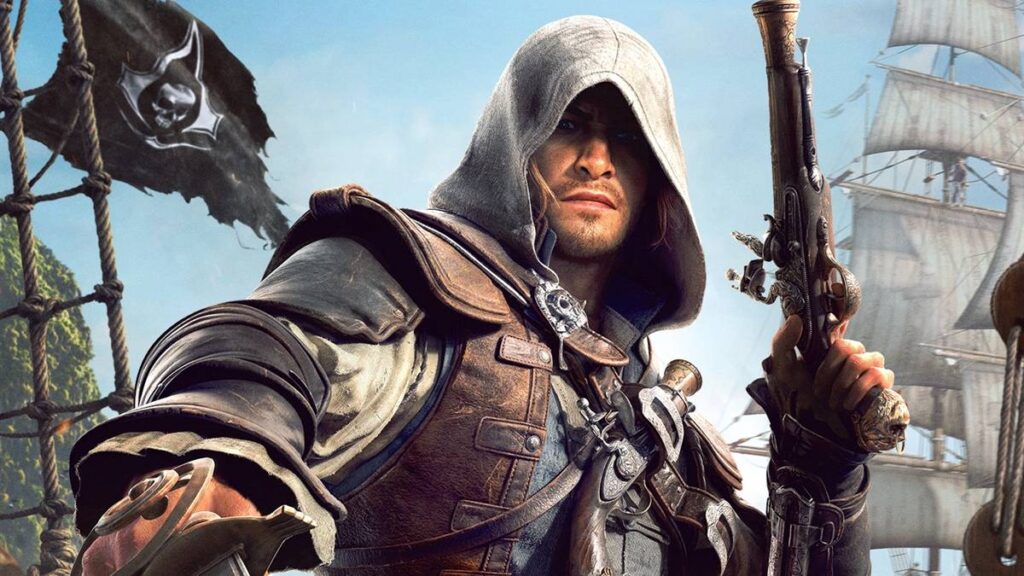
Table of Contents
The Return of the Jackdaw: More Than a Simple Port
Ubisoft has finally pulled back the curtain on Assassin’s Creed Black Flag Resynced, a project that attempts to bridge the gap between the series’ nostalgic roots and the technical capabilities of current-generation hardware. For many, the original 2013 release of Black Flag represents the peak of the franchise’s atmospheric storytelling and naval exploration. By bringing Edward Kenway’s journey to the PlayStation 5, Xbox Series X|S, and PC, Ubisoft isn’t just increasing the resolution; they are fundamentally altering how the Caribbean feels and plays.
- Engine Overhaul: The game has been migrated to the latest Anvil engine, introducing ray-traced reflections and seamless open-world transitions.
- Expanded Narrative: New storylines featuring Blackbeard and Stede Bonnet expand upon the original lore, alongside three new officers added to the main plot.
- Mechanical Refinement: Combat is rebuilt to prioritize parries and precision takedowns, while naval warfare introduces alternate fire modes for the Jackdaw.
- Modern Audio: Full integration of Dolby Atmos provides a spatial audio experience designed for the dense jungles and stormy seas of the West Indies.
The transition to current-gen hardware allows for a level of fidelity that was previously impossible. The original Black Flag suffered from occasional pop-in and rigid animations during parkour. In Resynced, these friction points are addressed through a rebuilt movement system that aligns more closely with the fluid agility seen in the newer RPG entries, though it retains the specific ‘feel’ of the classic era.
Technical Deep Dive: The Anvil Engine Transition
The most significant shift in Assassin’s Creed Black Flag Resynced is the move to the latest iteration of the Anvil engine. Historically, the Anvil engine has been the backbone of Ubisoft’s massive open worlds, but the version powering Resynced focuses heavily on environmental reactivity and lighting.
Ray Tracing and Visual Fidelity
Unlike previous iterations where water was a static texture with basic shaders, Resynced implements ray tracing to handle the complex reflections of the Caribbean sun on the ocean surface. This creates a dynamic lighting environment where the time of day realistically affects visibility and atmosphere. The dense tropical jungles now utilize advanced foliage rendering, reducing the ‘flat’ look of the original game’s vegetation and replacing it with a lush, multi-layered ecosystem.
Audio Engineering with Dolby Atmos
Sound design often goes overlooked in remakes, but the implementation of Dolby Atmos here is pivotal. In a naval engagement, the spatial audio allows players to pinpoint the direction of incoming cannon fire and the screams of crew members on the Jackdaw. This isn’t just an aesthetic choice; it adds a layer of tactical awareness during the heat of battle, especially when navigating the chaotic waters of the Spanish Main.
Rebuilding the Combat and Stealth Systems
Combat in the original Black Flag was often criticized for being overly repetitive, relying heavily on basic attacks and a few counter-moves. Resynced introduces a more dynamic encounter system.
From Button-Mashing to Precision
The new combat system places a heavy emphasis on parries and takedowns. Players can no longer simply spam attacks to clear a room of guards. Instead, the timing for counters has been tightened, and the animation sets for takedowns have been diversified. This shift makes stealth missions feel more rewarding, as the ‘silent’ aspect of the Hidden Blade is backed by improved AI detection patterns and smoother parkour transitions.
Naval Warfare: The Evolution of the Jackdaw
Naval combat remains the heart of the experience, but it has been refined for 2026 standards. The introduction of alternate fire modes allows captains to customize how the Jackdaw engages enemy vessels. Whether it’s focusing on disabling sails for boarding actions or utilizing heavy broadsides to sink a Man-O-War, the tactical options are broader. The physics of the stormy waters have also been tuned to impact ship handling, making navigation through a hurricane more than just a visual spectacle—it’s a mechanical challenge.
Narrative Expansion: New Stories and Old Allies
While the core plot of Edward Kenway’s descent into the Assassin brotherhood remains intact, Resynced adds substantial ‘information gain’ to the story. This isn’t just a Director’s Cut; it’s an expansion of the world’s sociology.
The Pirate Legends
Dedicated new storylines focus on Blackbeard and Stede Bonnet. These aren’t merely side-quests but narrative arcs that provide deeper insight into the motivations of these historical figures. By expanding their roles, Ubisoft adds a layer of complexity to the political landscape of the Caribbean, showing the tension between the desire for pirate freedom and the encroaching grip of the British and Spanish Empires.
Integrating New Crew Members
The addition of three new officers to the main narrative serves two purposes: it expands the dialogue and chemistry among the crew and provides new gameplay utility on the ship. These characters are woven into the primary plot, ensuring that the new content doesn’t feel like an afterthought but a cohesive part of Edward’s journey.
What This Means for the Modern Gamer
For the veteran player, Assassin’s Creed Black Flag Resynced represents a way to experience one of the most beloved entries in the series without the clunkiness of 2013-era design. The removal of certain ‘pain points’—such as frustrating climbing bottlenecks and repetitive combat loops—makes the game more accessible to those used to the polish of 2025’s AAA titles.
For newcomers, this is the definitive entry point into the ‘Golden Age’ of the series. It provides a bridge between the linear stealth of the early games and the massive RPG scale of Odyssey and Valhalla. By utilizing the Anvil engine, Ubisoft ensures that the game doesn’t feel like a relic, but a contemporary experience that happens to be set in a classic framework.
Frequently Asked Questions
Is Assassin’s Creed Black Flag Resynced a full remake or a remaster?
It is closer to a comprehensive rebuild. While the core story and assets are based on the original, the movement to the Anvil engine, rebuilt combat systems, and addition of new narrative content move it beyond a simple remaster into the territory of a modern reimagining.
Which platforms support the new ray tracing features?
Ray tracing is available on PlayStation 5, Xbox Series X, and PC. Xbox Series S supports the game but with scaled-down lighting and reflection effects to maintain performance.
Does the game include the original DLC?
Yes, the Resynced version integrates the original expansion content and adds new, exclusive storylines and features like photo mode and new pets.
How does the combat differ from the 2013 version?
The combat is less about repetitive striking and more about precision timing. There is a greater emphasis on parrying and tactical takedowns, reducing the ‘button-mashing’ feel of the original.
Is there a photo mode in this version?
Yes, a full photo mode has been added, allowing players to capture the ray-traced vistas of the Caribbean and the detailed character models of the crew.
The Verdict on the Caribbean’s Return
Ubisoft is taking a calculated risk by returning to a decade-old formula. However, by focusing on technical modernization and narrative depth rather than just a graphics update, they have created a version of Black Flag that respects the original while acknowledging the evolution of the industry. The inclusion of new sea shanties and expanded character arcs suggests a genuine effort to reward the fans who have spent years requesting a modern version of Edward Kenway’s tale.