Norway’s Crown Princess Mette-Marit Undergoes Lung Transplant: A Technical Look at Pulmonary Fibrosis and Transplant Recovery
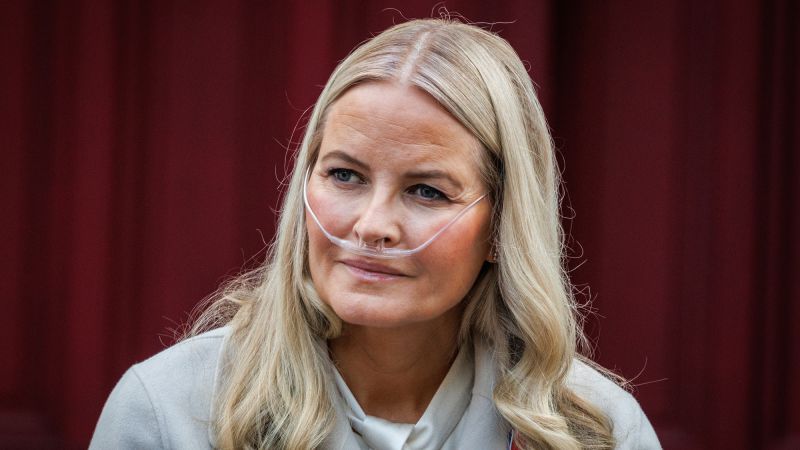
Table of Contents
The Royal Household Confirms Successful Surgery
The Royal House of Norway has officially announced that Crown Princess Mette-Marit has successfully undergone a lung transplant. The 52-year-old royal, who has spent years privately managing a debilitating respiratory condition, is currently in the recovery phase at Oslo University Hospital. This intervention comes after a critical decline in her health, which medical professionals indicated had left her with a limited life expectancy without surgical intervention.
- Successful Procedure: Crown Princess Mette-Marit has completed a lung transplant and is recovering in Oslo.
- Underlying Condition: The surgery follows a 2018 diagnosis of pulmonary fibrosis, a disease causing irreversible lung scarring.
- Critical Timeline: Reports from June 5 indicated the Princess’s health had deteriorated to a point where a transplant was the only viable option for survival.
- Public Health Impact: The Princess’s openness regarding her illness is being leveraged by the Norwegian government to raise awareness for chronic lung diseases.
The announcement was delivered via a palace statement and corroborated by Professor Are Holm of Oslo University Hospital. According to Holm, the Princess will remain hospitalized for several weeks, which is standard protocol for high-complexity thoracic surgeries to monitor for organ rejection and infection.
Understanding Pulmonary Fibrosis: The Technical Challenge
To understand why a lung transplant became necessary for Crown Princess Mette-Marit, it is essential to examine the pathology of pulmonary fibrosis. Pulmonary fibrosis is a chronic, progressive condition where the delicate tissues of the lungs become damaged and scarred. This thickened, stiff tissue makes it increasingly difficult for the lungs to transfer oxygen from the inhaled air into the bloodstream.
The Mechanism of Scarring
In a healthy lung, the alveoli (tiny air sacs) are thin and elastic, allowing for efficient gas exchange. In patients with fibrosis, the body’s repair mechanism malfunctions, creating excessive collagen deposits. This process, known as fibrotic remodeling, reduces the lung’s compliance—meaning the lungs cannot expand fully during inhalation. Over time, the heart must work harder to pump blood through the scarred lung tissue, which can lead to pulmonary hypertension and eventual right-sided heart failure.
The Progressive Nature of the Disease
Mette-Marit was diagnosed in 2018. For many patients, pulmonary fibrosis is insidious; it begins with shortness of breath during exercise (dyspnea) and progresses to breathlessness even at rest. By December, Crown Prince Haakon noted a visible change in the Princess’s condition, citing a significant struggle to breathe. This progression aligns with the clinical trajectory of the disease, where medical interventions like antifibrotics can slow the decline but cannot reverse the existing scarring.
The Logistics of Lung Transplantation
A lung transplant is one of the most complex procedures in modern medicine. Unlike a kidney or liver transplant, the lungs are constantly exposed to the external environment, making them highly susceptible to infection and rejection.
Matching and Waiting Lists
On June 5, Oslo University Hospital confirmed that Mette-Marit had been placed on the waiting list. The matching process involves rigorous criteria, including blood type, lung volume, and overall physical health. Because the lungs must fit the thoracic cavity of the recipient, size matching is critical to prevent the organ from collapsing or causing excessive pressure on the heart.
The Surgical Process
The transplant involves the removal of the diseased lung tissue and the implantation of a donor lung. The surgical team must ensure a precise anastomosis (connection) of the bronchus, the pulmonary artery, and the veins. Given the fragility of the pulmonary vasculature, this requires extreme precision to prevent leaks or clotting.
Recovery and the Post-Operative Phase
Professor Are Holm emphasized that the coming weeks are critical. The immediate post-operative period focuses on three primary risks: acute rejection, infection, and mechanical failure.
Immunosuppression Management
Because the immune system recognizes the donor lung as a foreign object, the Princess must take lifelong immunosuppressant medications. These drugs inhibit T-cell activity to prevent the body from attacking the new organ. However, this creates a paradoxical challenge: while the drugs prevent rejection, they also leave the patient vulnerable to opportunistic infections that a healthy immune system would normally fight off.
Pulmonary Rehabilitation
Recovery is not merely about healing the surgical incision. It involves intensive pulmonary rehabilitation to retrain the diaphragm and chest muscles, which may have atrophied due to years of restricted breathing. This process typically includes guided physical therapy and monitored oxygen weaning.
What This Means for Public Health and Awareness
The transparency of the Norwegian Royal Family regarding Mette-Marit’s health has significant sociological and medical implications. Prime Minister Jonas Gahr Stoere noted that this openness helps destigmatize chronic illness and encourages early diagnosis.
The ‘Celebrity Effect’ on Diagnosis
When high-profile individuals share their medical journeys, there is often a measurable spike in public screenings and consultations. For pulmonary fibrosis, early detection is vital. While the disease cannot be cured, early intervention with medications like Nintedanib or Pirfenidone can significantly prolong the time a patient remains stable before needing a transplant.
Impact on Organ Donation
The visibility of a royal transplant often drives a surge in organ donor registrations. In Norway, the focus on the Crown Princess’s need for a donor highlights the critical shortage of available organs globally, emphasizing the role of altruistic donation in saving lives.
Comparison of Lung Function: Healthy vs. Fibrotic
| Feature | Healthy Lungs | Pulmonary Fibrosis |
|---|---|---|
| Tissue Texture | Elastic and spongy | Stiff, scarred, and thickened |
| Oxygen Exchange | Rapid diffusion into blood | Impeded by scar tissue barriers |
| Breathing Effort | Low effort at rest | High effort (dyspnea) |
| Lung Volume | Full expansion | Reduced vital capacity |
Frequently Asked Questions
What is pulmonary fibrosis?
Pulmonary fibrosis is a condition where the lung tissue becomes scarred and thickened. This makes the lungs stiff, making it difficult to breathe and reducing the amount of oxygen that reaches the blood.
Why was a lung transplant necessary for Crown Princess Mette-Marit?
The Princess experienced a significant deterioration in her health, and medical experts at Oslo University Hospital determined that her condition had progressed to a point where she likely had only one year to live without a transplant.
How long is the recovery period after a lung transplant?
Immediate recovery takes several weeks in a hospital setting for monitoring. However, full rehabilitation and the stabilization of immunosuppressant drugs can take several months to a year.
What are the primary risks after a lung transplant?
The two greatest risks are organ rejection, where the body attacks the new lung, and opportunistic infections, caused by the immunosuppressant drugs required to prevent rejection.
Can pulmonary fibrosis be cured without surgery?
Currently, there is no cure for pulmonary fibrosis. Medications can slow the progression of scarring and manage symptoms, but a transplant is the only option for end-stage respiratory failure.
Final Clinical Context
The success of Crown Princess Mette-Marit’s procedure is a testament to the advanced thoracic capabilities of Oslo University Hospital. While the surgery is a victory, the transition to chronic care—balancing immunity and organ health—will be the defining factor in her long-term recovery. The royal family’s willingness to share this journey transforms a private medical crisis into a public conversation about respiratory health and the life-saving necessity of organ donation.