Russian Warship Fires Warning Shots at UK Yacht: The Intersection of Naval Doctrine and Maritime Safety
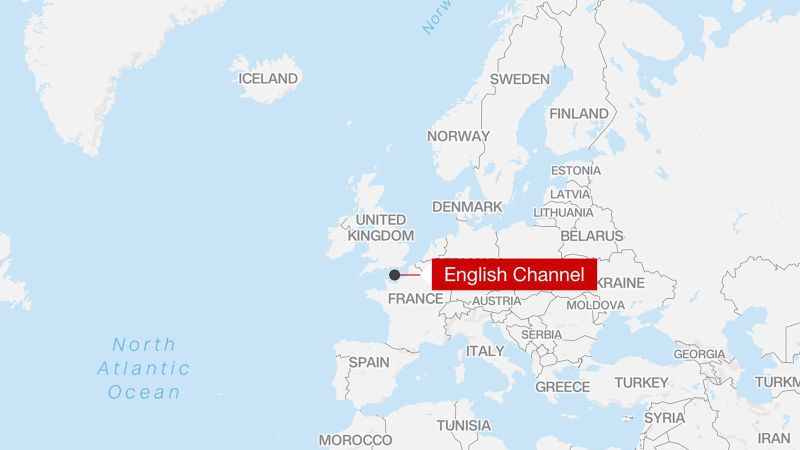
Table of Contents
An Unplanned Encounter in the World’s Busiest Shipping Lane
The English Channel, a critical artery of global trade and one of the most congested waterways on Earth, recently became the site of a high-tension encounter between a Russian naval asset and a civilian vessel. On Tuesday, the Russian frigate Admiral Grigorovich reportedly fired warning shots from small arms in front of the Bright Future, a UK-flagged yacht. While the incident resulted in no injuries or structural damage, it highlights the fragile equilibrium between international maritime law and the geopolitical friction defining current Russo-British relations.
- Incident: A Russian frigate fired small-arms warning shots to divert a UK-flagged yacht perceived to be on a collision course.
- Location: Approximately 20 miles south of the Isle of Wight, positioned outside UK territorial waters.
- Monitoring: The incident was witnessed by the HMS Mersey, a Royal Navy offshore patrol vessel shadowing the Russian ship.
- Context: The event occurred shortly after the UK intercepted a Russian ‘shadow fleet’ oil tanker, though officials deny a direct link.
The narrative of the event differs slightly between the Kremlin and Whitehall, though both agree on the basic sequence of events. The Russian Defense Ministry asserts that the Bright Future ignored multiple radio contact attempts and signal flares, forcing the commander to use small arms to prevent a collision. Conversely, the UK Defense Ministry characterized the shots not as an attack, but as a maneuver to prevent a possible accident, noting that the Russian vessel may have been drifting and therefore more vulnerable.
Decoding the Technicalities: COLREGs and Naval Protocol
To understand whether the Russian warship warning shots were a justified safety measure or an aggressive display, one must look at the International Regulations for Preventing Collisions at Sea (COLREGs). These regulations are the “rules of the road” for the ocean, applicable to all vessels regardless of nationality.
The Right of Way and Collision Avoidance
Under COLREGs, when two power-driven vessels are crossing, the vessel that has the other on its starboard side must keep out of the way. However, the dynamics change when a naval vessel is operating in a specific mode. A UK defense source noted that the Admiral Grigorovich was signaling that it was drifting. In maritime terms, a vessel “not under command” or “restricted in her ability to maneuver” has a higher priority of way. If the Bright Future was indeed on a course that ignored these signals, it could technically be viewed as a violation of safety protocols.
The Escalation Ladder: From Radio to Small Arms
Maritime safety protocols follow a strict escalation ladder to avoid kinetic conflict:
- Radio Communication: The first attempt to establish contact via VHF Channel 16.
- Visual Signals: The use of signal flares, flashing lights, or flags to attract attention.
- Warning Shots: When all non-kinetic communication fails and a collision is imminent, firing across the bow (not at the vessel) is a recognized, though extreme, method of alerting a non-responsive crew.
The Russian Ministry claims they exhausted the first two stages. The fact that the shots were described as “single rounds” rather than automatic fire supports the claim that these were warning shots intended for visibility and sound rather than engagement.
Geopolitical Friction in the English Channel
While the tactical incident may have been a navigation error, the strategic timing is critical. The English Channel is not just a shipping lane; it is a zone of constant surveillance. The presence of the HMS Mersey shadowing the Admiral Grigorovich is standard procedure for the Royal Navy when Russian warships enter the area. This “shadowing” is designed to ensure transparency and prevent miscalculations.
The Shadow Fleet Connection
The incident occurred just 48 hours after Prime Minister Keir Starmer announced the first-ever interception of an oil tanker linked to Russia’s “shadow fleet.” These are vessels operating outside traditional insurance and regulatory frameworks to bypass sanctions on Russian oil. While the UK Defense Ministry states there is no direct link between the tanker seizure and the yacht incident, the overall atmosphere of heightened scrutiny increases the risk of tactical errors being interpreted as political provocations.
What This Means for Maritime Security
This encounter underscores a growing trend where civilian vessels are inadvertently caught in the middle of “gray zone” warfare—activities that are provocative but fall below the threshold of open conflict. For yacht owners and commercial shippers, the implications are practical:
- Heightened Vigilance: Civilian crews must be increasingly aware of the operational status of naval vessels, particularly those from nations currently under diplomatic tension.
- Strict Adherence to COLREGs: In contested waters, a failure to yield or a misunderstood signal can lead to an escalatory response from military commanders who are on high alert.
- The Role of AIS: The Automatic Identification System (AIS) is vital, but naval vessels often toggle their AIS or provide spoofed data for security, making “blind” encounters more likely.
Comparing the Perspectives
| Point of Contention | Russian Defense Ministry Position | UK Defense Ministry/Sources Position |
|---|---|---|
| Intent of Shots | Necessary measure to prevent a collision. | Attempt to avoid collision; not aimed at the vessel. |
| Vessel Behavior | Yacht ignored radio and flares. | Russian ship may have been drifting, increasing vulnerability. |
| Legality | Acted in strict accordance with international law. | Monitoring the situation via HMS Mersey; no injuries reported. |
| Context | Standard safety procedure. | Occurred amidst broader tensions (Shadow Fleet). |
Frequently Asked Questions
Was the UK yacht actually under attack?
No. Both the UK and Russian ministries agree that the shots were warning shots fired in front of the vessel, not aimed at the crew or the structure. No damage or injuries were reported.
Where exactly did this happen?
The incident took place approximately 20 miles south of the Isle of Wight. Crucially, this area is in international waters, meaning it is outside the direct territorial jurisdiction of the UK, although it remains within a heavily monitored zone.
What is the “Shadow Fleet” mentioned in reports?
The shadow fleet refers to a collection of older, often poorly maintained tankers used by Russia and other nations to transport oil while avoiding Western sanctions. These ships often operate without standard insurance, posing significant environmental risks to the English Channel.
What happens if a civilian vessel ignores a warship?
Under international maritime law, warships have certain sovereign immunities, but they must still follow COLREGs. However, for safety and security reasons, warships are authorized to use “proportionate force” (like warning shots) if they believe a collision is imminent or their security is being compromised.
Why was the HMS Mersey there?
The Royal Navy routinely shadows Russian warships passing through the English Channel to maintain maritime domain awareness and ensure that naval movements are transparent and predictable.
Analysis of the Naval Encounter
The Admiral Grigorovich incident is a microcosm of the current naval climate. We are seeing a shift where the English Channel is no longer just a commercial transit point but a theater for signal-sending. When a Russian commander decides to open fire with small arms, they are not just managing a collision; they are asserting presence. Conversely, when the UK shadows these vessels with patrol ships like the HMS Mersey, they are asserting sovereignty and vigilance.
The core of the issue remains the communication gap. The transition from a civilian yacht’s leisure pace to the rigid, high-security environment of a Russian frigate creates a dangerous asymmetry. The Bright Future likely lacked the naval training to recognize the subtlety of “drifting” signals or the urgency of the frigate’s warnings, leading to a situation that nearly ended in tragedy or a major diplomatic incident.