Xbox Shuts Down Ninja Theory as Microsoft Triggers Massive Studio ‘Reset’
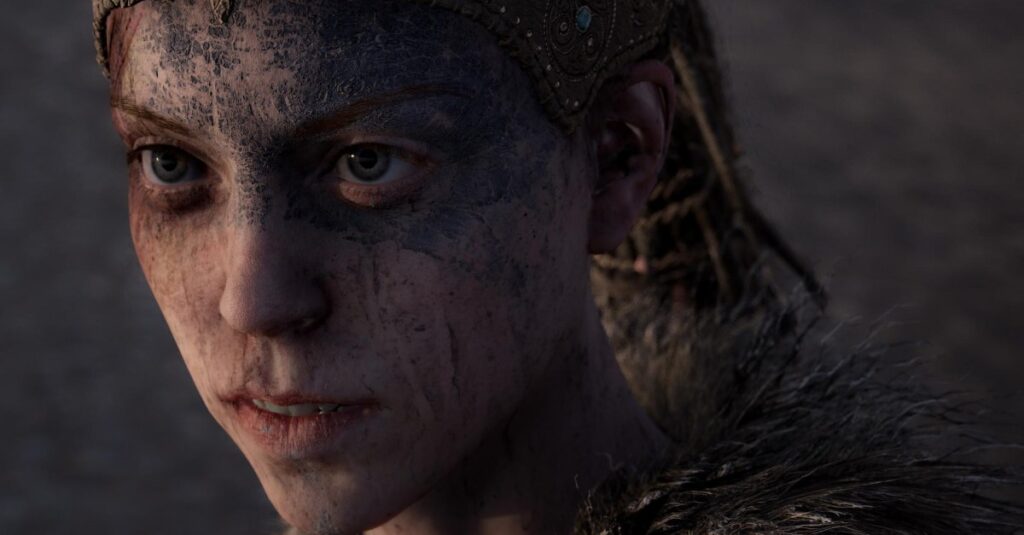
Table of Contents
The Shockwave at Xbox: Ninja Theory’s Sudden Departure
The gaming industry is no stranger to volatility, but the scale of Microsoft’s latest pivot has sent shockwaves through the developer community. Xbox is officially closing down Ninja Theory, the award-winning studio responsible for the Hellblade series, marking a stark transition in how Microsoft manages its first-party ecosystem. This decision, communicated to staff via an internal call on Monday, is not an isolated incident but the first domino to fall in what leadership is calling a structural ‘reset’.
- Studio Closure: Ninja Theory is being shut down, though staff are reportedly seeking a potential third-party buyer to save the studio’s operations.
- Spin-off Negotiations: Both Compulsion Games and Double Fine are in active talks to separate from Microsoft’s direct ownership.
- Strategic Pivot: The move follows CEO Asha Sharma’s admission that Xbox ‘over extended’ its studio system.
- Project Uncertainty: The fate of the recently announced Senua project remains ambiguous following the closure.
For many, the closure of Ninja Theory feels like a contradiction. Only a week ago, during the Xbox Games Showcase, Microsoft highlighted the studio’s work and revealed a new chapter in the Senua saga. To go from a showcase centerpiece to a corporate shutdown in seven days suggests a disconnect between Microsoft’s marketing machine and its balance sheet.
Asha Sharma’s ‘Reset’: Deconstructing the Xbox Strategy Shift
To understand why Ninja Theory was targeted, one must look at the leadership changes at the top. Since taking the helm in February, CEO Asha Sharma has been tasked with correcting the aggressive, acquisition-heavy strategy of the previous era. In a series of warnings last week, Sharma and Chief Content Officer Matt Booty pointed to a critical failure in the current model: the ‘over extension’ of the studio system.
The cost of maintaining dozens of internal studios—each with massive overhead, specialized pipelines, and long development cycles—has become unsustainable. This is compounded by a hardware component crisis that is driving up the price of consoles and development kits, squeezing margins at a time when the industry is already struggling with the transition to ‘AAA’ budgets that now frequently exceed $200 million per title.
Sharma’s strategy appears to be a shift toward a leaner, more focused operation. This is evidenced by the recent decision to lock Gears of War: E-Day and Clockwork Revolution as strict Xbox console exclusives, moving away from the ultra-broad distribution model that defined the early Game Pass era.
The Spin-off Model: A Middle Ground for Double Fine and Compulsion
While Ninja Theory faced a total shutdown, Compulsion Games and Double Fine are reportedly pursuing a different path: the ‘spin-off.’ According to reports from Bloomberg, these studios are in active negotiations to operate independently while potentially maintaining a strategic partnership with Microsoft.
The Mechanics of a Studio Spin-off
In a traditional spin-off, the parent company (Microsoft) provides a capital injection or a favorable loan to allow the studio to establish its own corporate entity. The studio gains autonomy over its hiring, culture, and release schedules, while Microsoft may retain a minority stake or a guaranteed publishing deal for future titles. This allows Microsoft to remove the studios from its operational balance sheet—reducing fixed costs—without completely destroying the intellectual property or talent pool.
Why This Matters for Developers
This trend signals a shift in the ‘First-Party’ philosophy. For years, the industry belief was that being owned by a titan like Microsoft provided a ‘safety net’ of infinite funding. However, as we’ve seen with the closure of other studios in recent years, that net is often an illusion. Spin-offs represent a desperate attempt to preserve creative independence in an era where corporate consolidation has reached a breaking point.
Technical and Economic Pressures in AAA Development
The closure of Ninja Theory isn’t just a management failure; it’s a symptom of a broader technical crisis in the gaming industry. The jump to current-generation hardware (Xbox Series X/S and PS5) has exponentially increased the complexity of asset creation. High-fidelity photogrammetry—a technique Ninja Theory used extensively in Hellblade to create hyper-realistic environments—requires immense computational power and specialized labor.
| Factor | Impact on Studio Sustainability | Microsoft’s Response |
|---|---|---|
| Production Costs | AAA budgets now often exceed $200M | Closing high-overhead studios |
| Hardware Costs | Component shortages increasing dev kit prices | Pivot to exclusive console focus |
| Monetization | Shift from one-time sales to subscription (Game Pass) | Evaluating studio ‘value add’ per user |
| Cycle Length | 6-8 year dev cycles for flagship titles | Encouraging faster, leaner spin-offs |
When a studio’s ‘burn rate’—the amount of money spent monthly to keep the lights on—outpaces the projected revenue from its next three titles, they become a liability. For Ninja Theory, the gamble on the next Senua project may have simply not aligned with Sharma’s new risk-aversion metrics.
What This Means for the Gaming Ecosystem
The fallout of these closures and spin-offs will be felt across three primary groups: the players, the developers, and the shareholders.
For the Players
The immediate concern is the ‘abandonware’ risk. When a studio is closed, projects in mid-development often enter a state of limbo. The status of the new Senua game is currently the biggest question mark. While Microsoft may keep the IP, the loss of the original creators often leads to a dip in quality or a complete cancellation of the project. Players should expect a more curated, but perhaps less diverse, lineup of first-party titles.
For the Developers
The ‘Xbox Reset’ is a warning to the industry. It proves that even the most prestigious studios are not safe from corporate restructuring. We are likely to see a migration of talent toward independent ‘III’ (Triple-I) studios—smaller teams that leverage high-end tech without the corporate bloat of a first-party giant.
For the Shareholders
Wall Street generally rewards this kind of cost-cutting. By trimming the ‘over extended’ studio system, Microsoft is improving its margins and focusing on high-impact exclusives. However, the long-term risk is the erosion of the Xbox brand as a destination for creative, boundary-pushing experiences.
FAQ: Understanding the Xbox Studio Closures
Why did Xbox close Ninja Theory?
Xbox is undergoing a strategic ‘reset’ led by CEO Asha Sharma to address the company being ‘over extended’ in its studio system. High operational costs and hardware pricing crises have made the previous studio model unsustainable.
What happens to the new Hellblade/Senua game?
Microsoft has not officially confirmed the status of the project. While it was revealed at the Xbox Games Showcase, the closure of Ninja Theory leaves the development path uncertain. It may be moved to another studio or cancelled.
Are Double Fine and Compulsion Games also closing?
No, they are not officially closed. They are currently in ‘active negotiations’ to spin off from Microsoft, meaning they may become independent studios rather than shutting down entirely.
What is a ‘studio spin-off’ in gaming?
A spin-off occurs when a parent company allows a subsidiary studio to become an independent entity, often providing some initial funding or a partnership deal while removing the studio’s operational costs from the parent’s balance sheet.
Who is Asha Sharma?
Asha Sharma is the CEO of Xbox, appointed in February. She is currently leading a restructuring of the Xbox business model to focus on efficiency and console exclusives.
The Industry Perspective: A Pattern of Consolidation and Correction
If we look at the trajectory of the last five years, the pattern is clear: Aggressive Acquisition followed by Harsh Correction. Microsoft, Sony, and Embracer Group all pursued a strategy of buying as many studios as possible to fuel subscription services like Game Pass. Now, the industry is entering the ‘Correction’ phase.
The tragedy of Ninja Theory’s closure is that it was a studio that specialized in the exact type of ‘prestige’ gaming that gives a platform its identity. Without the risk-takers, Xbox risks becoming a mere distribution hub rather than a creative powerhouse. As the industry watches the negotiations for Double Fine and Compulsion, the result will likely determine whether the ‘Xbox Reset’ is a smart business move or a creative disaster.