UK Social Media Ban for Under 16s: How the New Restrictions Will Work and Who is Exempt
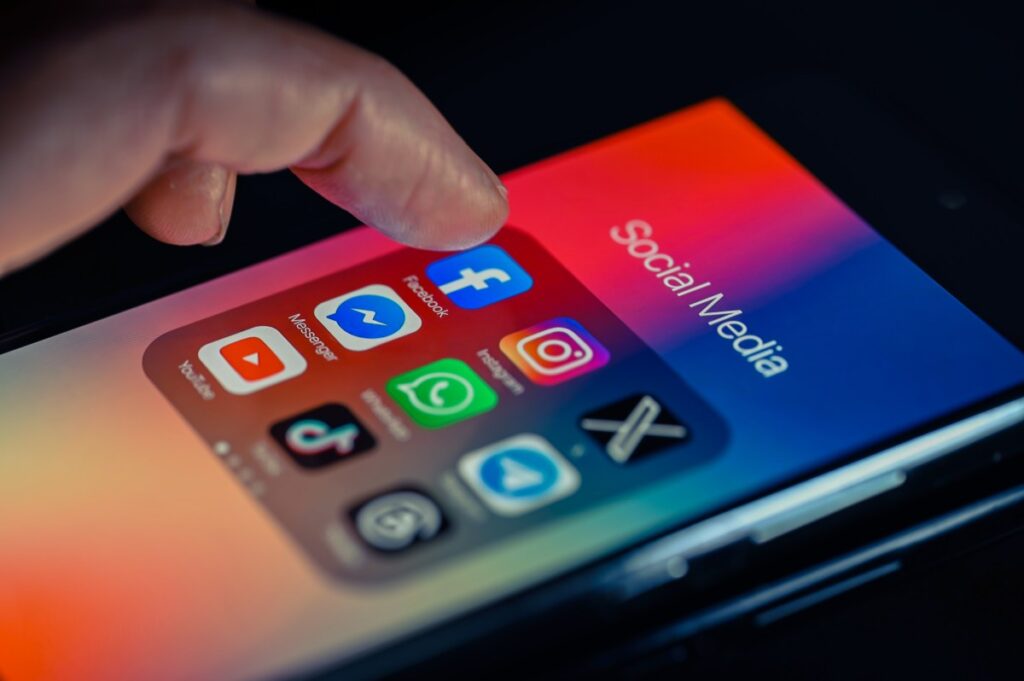
Table of Contents
The United Kingdom is moving toward one of the most aggressive digital regulation frameworks in the world. Prime Minister Keir Starmer has announced a sweeping ban on social media use for children under the age of 16, a move that aims to decouple the developmental years of adolescence from the algorithmic pressures of platforms like TikTok, Instagram, and Snapchat.
- Scope: The ban targets algorithm-driven social platforms including TikTok, X, Facebook, Instagram, and Snapchat.
- Exemptions: Direct messaging services like WhatsApp and Signal are currently excluded from the restriction.
- AI Restrictions: New mandates require AI “romantic companion” bots to implement strict 18+ age verification.
- Timeline: The government aims to have these restrictions enforceable by the spring of 2026.
The Architecture of the Ban: What is Actually Being Restricted?
The UK government is not targeting the internet at large, but rather a specific category of digital environments: the algorithmic social feed. According to the official government communications, the primary goal is to mitigate the “addictive” nature of features like infinite scroll and personalized recommendation engines that keep young users engaged for hours.
The ban applies to platforms where the primary value proposition is social networking and public content discovery. This includes the “Big Five”—TikTok, Instagram, Facebook, X (formerly Twitter), and Snapchat—as well as YouTube. However, the distinction between a “social media platform” and a “messaging app” is a critical pillar of this policy. Services like WhatsApp and Signal, which are viewed more as digital utilities for private communication than as algorithmic content hubs, will remain accessible to those under 16.
The AI Frontier: Romantic Chatbots and Age Gating
Parallel to the social media restrictions, the UK is taking a hard line on generative AI. Specifically, AI “romantic companion” chatbots—services designed to simulate intimate relationships—will be legally required to ensure users are at least 18 years old. This reflects a growing concern among regulators about the psychological impact of AI-driven emotional dependency on minors.
The Enforcement Dilemma: How Will the UK Verify Age?
The central question facing the Starmer administration is not what to ban, but how to stop a 14-year-old from simply lying about their birth date. For years, “self-certification” (clicking a box that says “I am over 13”) has been the industry standard, and it has failed spectacularly.
To make this ban a reality, the UK is likely to lean on Age Assurance Technology. This typically falls into three categories:
- Document Verification: Scanning passports or driver’s licenses via a third-party secure provider.
- Facial Age Estimation: Using AI to analyze skin texture and facial structure to estimate age without requiring an ID (a method pioneered by companies like Yoti).
- Bank-led Verification: Using credit card or banking data to confirm the age of the account holder.
Industry experts argue that these methods introduce a significant privacy trade-off. By requiring a child to provide a government ID to access a service, the government is essentially mandating the creation of a digital identity trail for minors, which critics argue could be a cybersecurity risk in its own right.
Why This Shift? The Data Behind the Decision
The Prime Minister’s push is grounded in a perceived mental health crisis among British youth. During recent press briefings, Starmer explicitly linked features like the “infinite scroll” to a decline in childhood wellbeing, arguing that these tools are designed to be addictive by default.
A government consultation conducted earlier this year revealed that 83% of participating parents believe the risks of social media outweigh the benefits for their children. This data provides the political mandate for the ban, aligning the UK with a global trend toward “digital sovereignty” for minors. Australia recently led the way with similar legislation, while Canada, France, and Denmark are currently drafting frameworks that mirror this approach.
“Every parent can see it with their own eyes, social media is making children unhappy,” Starmer stated. “It’s making it easier for bullies to harass and abuse them… exposing them to content that is dangerous because that’s what grabs the attention.”
Analyzing the Impact: What This Means for Different Users
For Parents
The policy is framed as a tool to “put power back in parents’ hands.” Theoretically, it removes the burden from the parent to constantly police the device, shifting the legal responsibility to the platform. However, parents should be aware that this may drive children toward “shadow apps” or VPNs (Virtual Private Networks) to bypass regional IP blocks, potentially moving them from regulated platforms to unmonitored, more dangerous corners of the web.
For Tech Platforms
For companies like Meta, ByteDance, and X, the UK represents a significant regulatory headache. Compliance will require a total overhaul of the onboarding process. If a platform fails to prevent an under-16 user from accessing their service, they could face massive fines under the Online Safety Act, potentially totaling percentages of their global annual turnover.
For the Teenagers
For a 15-year-old in 2026, the digital landscape will look fundamentally different. The loss of these platforms may lead to a resurgence in traditional hobbies, as Starmer suggests, but it could also lead to social isolation in an era where the “digital town square” is where most peer-to-peer socialization occurs.
| Platform Type | Status for Under 16s | Primary Reason |
|---|---|---|
| Algorithm Feeds (TikTok, IG, X) | Banned | Addictive loops & safety risks |
| Private Messaging (WhatsApp, Signal) | Permitted | Direct communication tool |
| AI Romantic Chatbots | Banned (Strict 18+) | Psychological impact/Adult content |
The Global Context: A New Era of Digital Protectionism
The UK’s move is not an isolated event but part of a broader geopolitical shift. For a decade, the internet was viewed as a borderless frontier. Now, governments are treating digital space as a jurisdictional territory subject to local laws. Australia’s first-mover advantage in banning youth social media use has provided a blueprint for the UK, focusing on the concept of “duty of care.”
However, this “splinternet” approach—where the internet experience varies wildly depending on your GPS coordinates—creates a fragmented user experience. If a UK teen uses a VPN to appear as if they are in the US, they bypass the ban entirely, highlighting the inherent friction between national law and global infrastructure.
Common Questions Regarding the Ban
Will my child be able to use YouTube for schoolwork?
The current announcement targets “social media.” While YouTube is included in the ban due to its algorithmic “Shorts” and social feeds, the government has not yet clarified if educational content or restricted “YouTube Kids” versions will be exempt. Specific guidelines on educational exceptions are expected in the coming months.
Does this ban apply to gaming platforms like Roblox or Discord?
The Prime Minister specifically highlighted platforms with addictive discovery feeds. Discord and Roblox have social elements, but they are primarily communication and gaming hubs. Whether they are classified as “social media” for the purposes of this ban remains a key point of debate for regulators.
How will the government stop kids from using VPNs?
This is the primary criticism from tech analysts. VPNs mask a user’s location, making them appear to be outside the UK. While the government believes enforcement is possible, most cybersecurity experts suggest that a technical “cat-and-mouse” game will ensue, where platforms must implement more rigorous ID checks regardless of the user’s reported location.
What happens to existing accounts?
If the ban is implemented by spring 2026, users under 16 will likely be required to undergo a re-verification process. Accounts that cannot prove the user is 16 or older will be suspended or transitioned to restricted “child-safe” modes if available.
Will parents be fined if their children bypass the ban?
The UK’s framework focuses on platform accountability. The legal burden and the resulting fines are directed at the companies (like Meta or ByteDance) for failing to implement effective age-gating, rather than at individual parents.
As the UK prepares for the 2026 rollout, the tension between child safety and digital privacy remains unresolved. The success of the ban will depend entirely on whether the government can implement a verification system that is robust enough to stop a teenager but secure enough to satisfy privacy advocates. For now, the UK is signaling that the “wild west” era of adolescent social media use is officially coming to an end.