Onimusha: Way of the Sword Hands-On: Capcom’s Bold Reimagining of the Samurai Action-Horror Genre
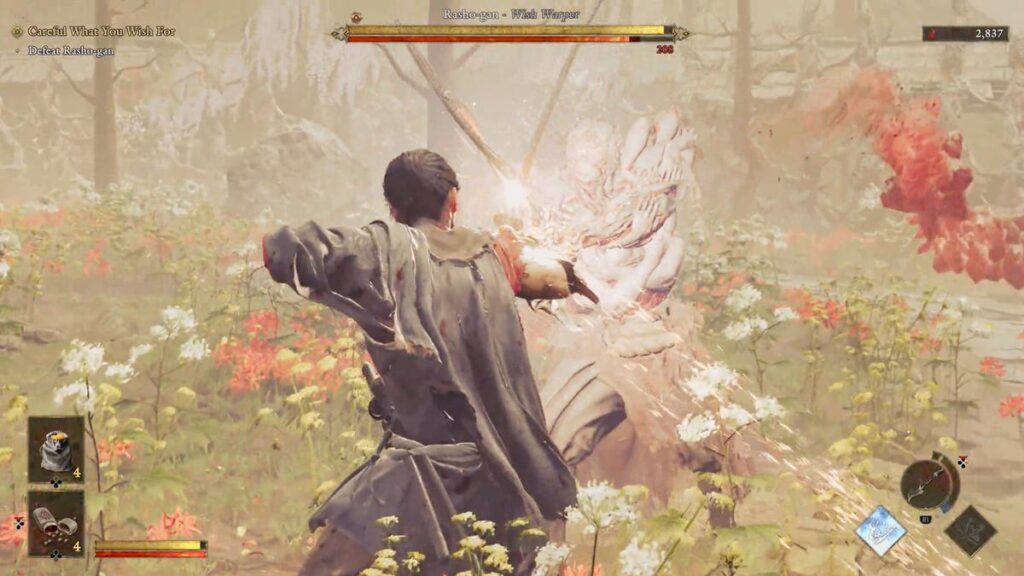
Table of Contents
A Departure from the Stoic Samurai
For nearly two decades, the Onimusha: Way of the Sword franchise existed primarily in the memories of early PlayStation 2 adopters. Returning to the forefront at Summer Game Fest, Capcom isn’t just reviving a dormant IP; they are fundamentally shifting the archetype of the historical Japanese warrior. After an hour of hands-on gameplay, it’s clear that this isn’t another meditative journey of honor and revenge akin to Ghost of Tsushima or Sekiro: Shadows Die Twice.
- Subversive Protagonist: Miyamoto Musashi is portrayed as a flawed, often clumsy oaf, contrasting the usual stoic samurai trope.
- Combat Depth: A sophisticated system blending stamina-based blocking, frame-perfect parries, and the visually stunning ‘Issen’ technique.
- Atmospheric Pivot: The game blends traditional feudal Japan with a grotesque, action-horror aesthetic featuring ‘Genma’ demons.
- Accessibility: While bosses require precision, basic encounters allow for more forgiving, ‘hack-and-slash’ styles of play.
The most immediate shock upon controlling Miyamoto Musashi is the personality. Musashi, historically one of Japan’s greatest swordsmen, is played here with a wry, almost comedic incompetence regarding anything that isn’t swordfighting. During a sequence involving the historic dancer Okuni, Musashi’s genuine confusion over how to operate a simple rowboat—asking, ‘When would a swordsman need to paddle a boat?’—sets a tone that is refreshingly irreverent. This characterization serves a vital purpose: it anchors the game’s chaotic, blood-slicked world in human levity, preventing the horror elements from becoming oppressive.
The Mechanics of Blood and Steel
Combat in Onimusha: Way of the Sword is a tiered experience. At the entry level, players can rely on basic sword slashes to clear out hordes of Genma (demon soldiers). However, as the difficulty spikes during boss encounters, the game demands a mastery of its defensive suite. The stamina bar is the primary governor here; a standard block will deplete it quickly, leaving the player vulnerable.
Breaking Down the Defensive Suite
To survive the higher-tier encounters, players must navigate four distinct defensive reactions:
- Standard Parry: Requires precise timing to deflect attacks. This is non-negotiable for specific heavy-hitting enemy types.
- Dodge: The primary method for avoiding unblockable area-of-effect (AoE) attacks.
- Ranged Reflection: A satisfying mechanic that allows Musashi to swat projectiles back at the sender.
- The Issen Technique: The pinnacle of the game’s combat. This is a frame-perfect counter-attack where Musashi strikes in the mere milliseconds before an enemy hits, leaving a spectral ‘shadow’ of himself behind.
In a closed-door briefing, Producer Koichi Shibata emphasized that the game is designed with a ‘variable skill ceiling.’ Unlike Sekiro, where parrying is the only viable path to victory, Onimusha: Way of the Sword allows players to fumble through basic mobs. However, bosses—such as the grotesque scissor-wielding Oni encountered in the demo—will systematically dismantle anyone who refuses to learn the rhythmic patterns of the parry system.
World-Building through Action-Horror
The environmental storytelling in the demo is particularly unsettling. Entering a village partially consumed by the Genma, the player finds ‘sun-dappled’ pockets of peace that are actually manifestations of demonic delusions. The horror is not found in jump-scares, but in the absurdity of the villagers’ fates. Encountering a local who happily had a leg amputated to ‘cure’ a knee ache creates a jarring contrast with the vibrant scenery, echoing the psychological horror elements found in early Resident Evil titles—a fitting touch given Capcom’s pedigree.
| Feature | Onimusha: Way of the Sword | Standard Samurai Games (e.g., Ghost/Sekiro) |
|---|---|---|
| Protagonist Tone | Irreverent, Flawed, Comedic | Stoic, Driven, Honor-bound |
| Combat Style | Action-Horror / Hybrid | Tactical Stealth / Precision Action |
| Enemy Type | Supernatural Demons (Genma) | Human Soldiers / Mythological Beings |
| Progression | Gear & Talisman Based | Skill Tree / Posture Mastery |
What This Means for the Genre
The arrival of Onimusha: Way of the Sword represents a strategic pivot for Capcom. By leaning into the ‘idiot savant’ trope for Musashi, they are carving out a niche that separates the game from the ‘Samurai Simulator’ trend. For the player, this means a less restrictive experience. You aren’t burdened by the crushing weight of *Bushido* (the way of the warrior) in a narrative sense; instead, you are playing a character who is often at odds with his own legend.
From a technical standpoint, the inclusion of the Issen technique provides a high-skill ‘expression’ for veteran action gamers, while the more lenient basic combat ensures the game doesn’t alienate a broader audience. The integration of support weapons—like the health-restoring daggers and the wind-up canceling bow—adds a layer of tactical depth, though the visceral satisfaction of the blade often makes these feel optional for the most aggressive players.
Common Questions About the Return of Onimusha
Is Onimusha: Way of the Sword a remake or a new game?
It is a new entry in the franchise, though it acts as a spiritual successor that brings the series into the modern era with updated mechanics and a fresh take on historical figures.
How does the difficulty compare to Soulslikes?
The game is more accessible than Elden Ring or Sekiro in its general encounters, but the boss fights share a similar DNA, requiring pattern recognition and precise timing to overcome.
When is the official release date?
Capcom has scheduled the release for September 25, with a free demo currently available for players to test the combat mechanics.
Can you play as other characters?
The demo focused exclusively on Miyamoto Musashi, though the narrative suggests a wider world of spirits and historical figures who may influence the story.
What platforms will it be available on?
While not explicitly detailed in the preview, the game is expected to launch on current-gen consoles and PC, following Capcom’s recent multi-platform strategy.
As the demo concludes with a victory over a staggering, scissor-wielding demon, the feeling is one of adrenaline and curiosity. Onimusha: Way of the Sword doesn’t just want to be another samurai game; it wants to be a blood-soaked, slightly absurd ride through a nightmare version of feudal Japan. By breaking the mold of the ‘perfect warrior,’ Capcom may have finally found the key to resurrecting this dormant legend.