Frank Founder Charlie Javice Seeks Trump Pardon Amid JPMorgan Legal Conflict
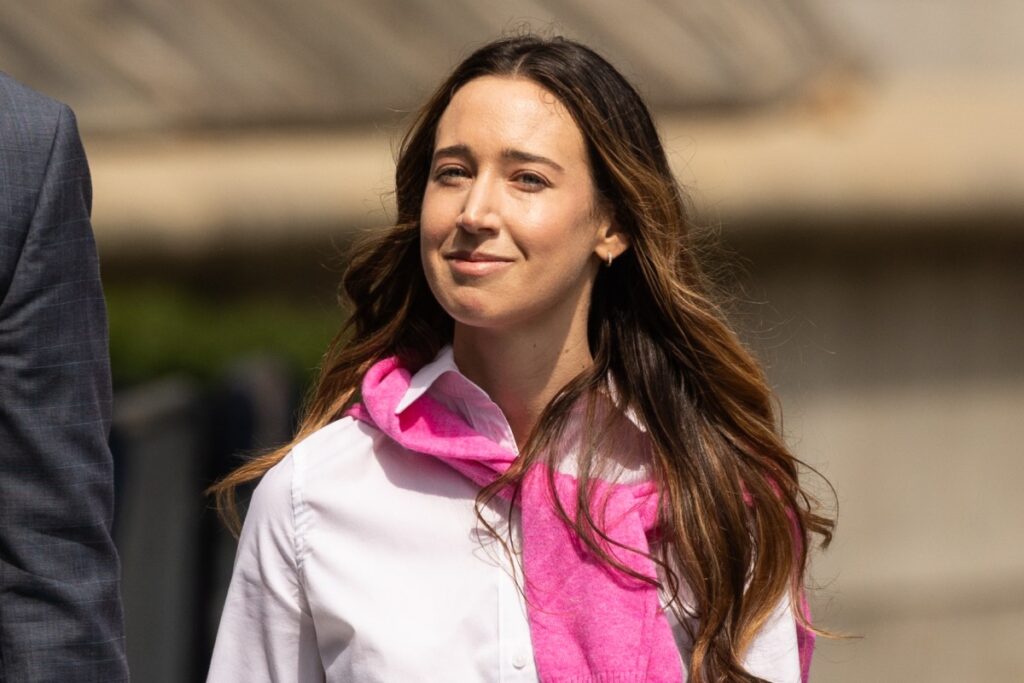
Table of Contents
The High-Stakes Gamble for Clemency
Charlie Javice, the founder of the student-focused fintech startup Frank, is reportedly leveraging a network of high-profile political connections to secure a presidential pardon from Donald Trump. According to reports from The Wall Street Journal, Javice’s legal team and representatives have begun quietly courting individuals close to the Trump administration, attempting to position her for clemency as the White House considers a broad wave of pardons to coincide with America’s 250th anniversary.
- Pardon Pursuit: Charlie Javice is actively seeking a presidential pardon following her conviction for fabricating millions of customer accounts to defraud JPMorgan Chase.
- Political Leverage: Javice is supported by powerful figures, including Apollo Global Management’s Marc Rowan, a significant donor to Republican causes.
- Corporate Tension: A pardon would be a blow to JPMorgan Chase, which is already embroiled in a $5 billion legal battle with Trump over ‘debanking’ allegations.
- White-Collar Trend: Javice is part of a growing list of white-collar defendants, including FTX’s Sam Bankman-Fried, seeking clemency under the current administration.
While Javice’s name has not yet appeared on a formal Justice Department clemency request list, the strategy suggests a calculated move to bypass the standard judicial appeals process. This development is not happening in a vacuum; it is the culmination of one of the most publicized corporate fraud cases in recent fintech history, where the lines between entrepreneurial ‘growth hacking’ and criminal deception became blurred.
The Frank Fraud: A Technical Breakdown of the Deception
To understand why a pardon is being sought, one must first look at the scale of the deception that led to Javice’s conviction. In 2021, JPMorgan Chase acquired Frank for $175 million, believing they were purchasing a thriving platform with over 4 million active users—a critical asset for the bank’s goal of attracting Gen Z customers.
However, internal investigations and subsequent court proceedings revealed a sophisticated operation of data fabrication. Javice was found guilty of creating a fake list of customers to inflate the company’s valuation. Rather than relying on organic growth, she reportedly hired a data science professor to create a synthetic database of millions of fake users, which were then presented to JPMorgan during the due diligence process.
This wasn’t a case of optimistic forecasting; it was a systemic fabrication of the primary product’s value. For the tech industry, the Frank case serves as a cautionary tale regarding the ‘fake it till you make it’ culture of Silicon Valley, illustrating the precise point where aggressive marketing transitions into federal wire fraud.
The JPMorgan Conflict: More Than Just a Lost Investment
The possibility of a pardon for Javice is particularly volatile because of the existing hostility between President Trump and JPMorgan Chase. The bank is not merely a victim of fraud in this scenario; it is an adversary in a separate, massive legal clash.
In early 2021, JPMorgan closed accounts associated with Donald Trump and his businesses following the events of January 6 at the U.S. Capitol. This action triggered a series of accusations from the former president, who characterized the move as political “debanking.” Trump subsequently sued JPMorgan and CEO Jamie Dimon for $5 billion, alleging that the bank was acting on political instructions to silence him.
If the President were to pardon Javice—the woman who defrauded the bank of $175 million—it would be viewed by many as a symbolic and practical victory over the institution that dared to freeze his accounts. This transforms a standard legal request for clemency into a piece of strategic political theater.
The Influence of Marc Rowan and Apollo Global Management
The path to a pardon is rarely a straight line; it is usually paved by intermediaries. In Javice’s case, the role of Marc Rowan, co-founder and CEO of Apollo Global Management, is critical. Rowan was an early investor in Frank and a staunch supporter of Javice, even testifying on her behalf during her trial.
Rowan is not just a financier; he is a significant political donor. Having contributed millions to Republican congressional groups and Trump’s own campaigns, Rowan possesses the level of access required to move a name from the “request list” to the “signed list.” The intersection of private equity, fintech venture capital, and political donations creates a powerful ecosystem where legal outcomes can be influenced by social and financial networks.
What This Means for the Fintech Ecosystem
The pursuit of a pardon by a convicted fraudster raises significant questions about accountability in the digital economy. For years, the venture capital world has tolerated a degree of ‘stretching the truth’ regarding user metrics and growth trajectories.
However, the Frank case established a hard legal boundary. If Javice is pardoned, it may send a signal to the startup community that the consequences of corporate fraud are negotiable if the right connections are made. Conversely, if the pardon is denied, it reinforces the precedent that systemic fraud against financial institutions will be met with long-term incarceration, regardless of political ties.
Practical Implications for Investors
For investors, this situation underscores the necessity of rigorous, third-party verification of user data. The failure of JPMorgan—one of the most powerful financial institutions in the world—to detect fake accounts during due diligence shows that traditional audits are often insufficient against determined fabrication. We are likely to see a shift toward “proof of personhood” technology and blockchain-verified user metrics to prevent similar fraud in future acquisitions.
The Broader Context of White-Collar Clemency
Javice is not alone in her pursuit. The current administration is reportedly considering a wave of roughly 250 pardons this summer. The inclusion of high-profile white-collar defendants, such as Sam Bankman-Fried of FTX, suggests a potential shift in how the executive branch views financial crimes compared to other federal offenses.
“The request for clemency in high-profile corporate fraud cases often hinges on the narrative of ‘entrepreneurial error’ versus ‘predatory intent.'” – Legal Analysis of Federal Pardons
The contrast between Bankman-Fried’s collapse of a multi-billion dollar exchange and Javice’s fabrication of a user base is stark, yet both seek the same outcome: a restoration of rights and a removal of the stigma of conviction. The trend indicates a growing belief among the tech-elite that their failures—even criminal ones—should be treated with more leniency than standard criminal activity.
Frequently Asked Questions
What exactly did Charlie Javice do to be convicted?
Charlie Javice was convicted of defrauding JPMorgan Chase by inflating the number of Frank’s customers. She fabricated millions of user accounts using a synthetic database to make the startup appear more valuable than it was, leading to a $175 million acquisition.
What is ‘debanking’ and why is it relevant here?
Debanking refers to the practice of financial institutions closing the accounts of individuals or businesses based on non-financial criteria, often perceived as political or social. Donald Trump has accused JPMorgan of debanking him for political reasons, which adds tension to any potential pardon of Javice.
How does a presidential pardon work in the US?
A presidential pardon is an exercise of executive power that absolves a person of a crime and removes the legal consequences of a conviction. It can be granted after a formal application to the Department of Justice or unilaterally by the President.
Who is Marc Rowan and why is he involved?
Marc Rowan is the CEO of Apollo Global Management and was an early investor in Frank. Because of his financial support for Javice and his political contributions to the Republican party, he is seen as a key link between Javice and the Trump administration.
Is Charlie Javice currently in prison?
Yes, Javice is serving more than seven years in prison following her conviction, though she is currently appealing the verdict, claiming the legal process was unfair.
Closing Legal Realities
Ultimately, the prospect of a pardon depends on the intersection of political will and judicial timing. While Javice has the support of influential donors like Marc Rowan, she faces a significant hurdle: the public perception of her crime. Defrauding a major bank is one thing, but doing so through the systematic fabrication of data is a technical fraud that is hard to frame as a simple mistake.
As the administration weighs its summer clemency list, the outcome for Charlie Javice will serve as a litmus test for the relationship between the White House, the financial sector, and the accountability of the fintech industry.