Overwatch’s ‘Reign of Talon’ Pivot: Can a Narrative Reset Save Blizzard’s Hero Shooter?
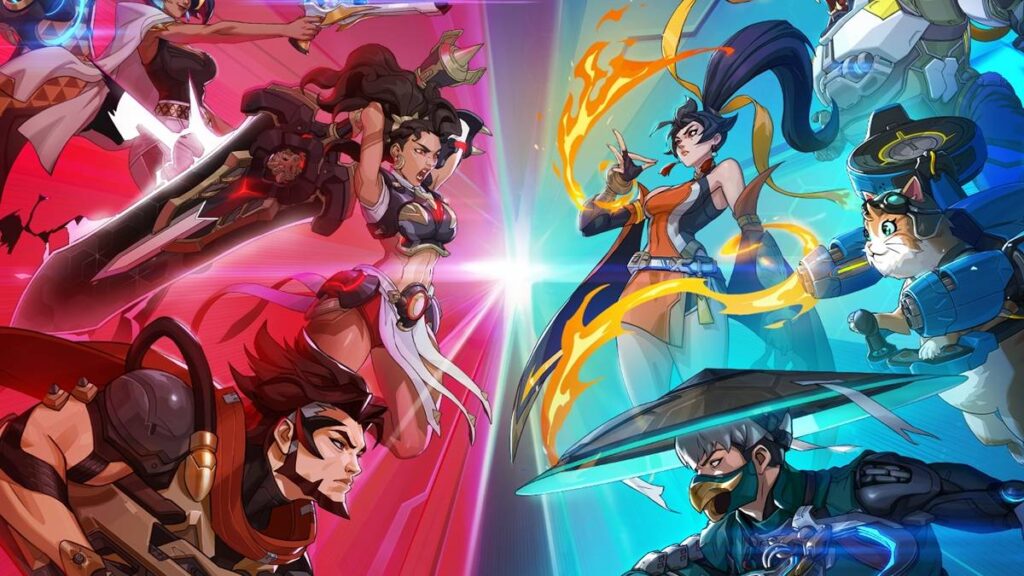
Table of Contents
Blizzard Entertainment is attempting one of the most ambitious course corrections in the history of the hero shooter. After a decade of iterative updates and the tumultuous transition from Overwatch to Overwatch 2, the studio is launching Reign of Talon: Conquest. This isn’t just another seasonal battle pass; it is a year-long narrative arc designed to fundamentally alter the game’s world and mechanical feel starting in 2026.
- Roster Explosion: Five new heroes (Jet Pack Cat, Anran, Domina, Emre, and Mizuki) are launching simultaneously, a departure from the slow trickle of single-hero releases.
- Narrative Stakes: For the first time, player choices in faction-driven events will leave permanent, visible marks on the game world.
- Systemic Overhaul: The Competitive ladder and core gameplay physics are receiving a comprehensive refresh to modernize the feel of the 5v5 and 6v6 dynamics.
- Cross-Gen Reach: The title remains available across PC, PS5, Xbox Series X/S, and now targets the upcoming Nintendo Switch 2 hardware.
The Shift to ‘Reign of Talon’: More Than Just Cosmetics
For years, Overwatch’s story was told in fragments—snippets of dialogue and short cinematic trailers. Reign of Talon: Conquest represents a shift toward active storytelling. By positioning the conflict between the Overwatch task force and the Talon organization as a year-long arc, Blizzard is attempting to create a sense of urgency and progression that has been missing since the original game’s launch in 2016.
The core of this event is the faction-driven system. Unlike previous events where the outcome was predetermined by a script, the 2026 narrative promises that player contributions will influence the world’s state. This introduces a layer of community-driven storytelling, where the collective victory or defeat of a faction could lead to map changes or altered lore outcomes.
Breaking the Roster: Five New Heroes at Once
The most jarring change for veteran players will be the immediate introduction of five new heroes. Traditionally, Blizzard released heroes one by one to avoid destabilizing the meta. However, the 2026 launch introduces Jet Pack Cat, Anran, Domina, Emre, and Mizuki in a single wave.
This aggressive expansion suggests a desire to disrupt the stagnant ‘meta’ and provide a shock to the system. From a technical standpoint, introducing five distinct playstyles simultaneously forces the community to redefine team compositions rapidly, potentially solving the ‘predictability’ problem that has plagued the higher ranks of Competitive play.
Mechanical Evolution: The Competitive Refresh
Beyond the characters, the ‘Core gameplay evolves’ statement from Blizzard points toward a deeper technical shift. In the current landscape of hero shooters, movement and responsiveness are everything. With competitors like Marvel Rivals gaining traction by offering high-mobility, destructive environments, Overwatch needs to evolve its physics engine.
Reports indicate that the Competitive refresh focuses on better matchmaking precision and a revised ranking system. The goal is to reduce the ‘hard-stuck’ phenomenon where players feel unable to climb despite consistent performance. By tweaking the core feel—likely through adjustments to animation canceling, projectile physics, or ability cooldowns—Blizzard is attempting to make the game feel ‘snappier’ for the modern era.
What This Means for the Player
For the Casual Player: The game becomes significantly more accessible. New heroes and a clear story arc provide a reason to return beyond just grinding for skins. The “Free-to-Play” model continues, but with a renewed focus on narrative engagement.
For the Competitive Pro: Expect a chaotic first quarter. The simultaneous drop of five heroes will likely render current ‘top-tier’ compositions obsolete. The focus shifts from mastering one hero to analyzing the synergy between the new arrivals.
For the Lore Enthusiast: This is the moment you’ve waited for. The move from passive storytelling to an active, faction-based narrative means the lore is finally moving forward in a tangible way.
Overwatch vs. Marvel Rivals: The Genre War
It is impossible to discuss the 2026 updates without mentioning Marvel Rivals. The entry of a high-budget competitor using globally recognized IP has put Blizzard on the defensive. Where Marvel Rivals leverages environmental destruction and celebrity power-fantasy, Overwatch is doubling down on its identity as a tactical, polished team experience.
The decision to drop five heroes at once and revamp the Competitive mode is a direct response to the market’s demand for faster evolution. In the gaming industry, stagnation is a death sentence. By rebranding the experience and leaning into a massive narrative event, Blizzard is trying to reclaim the ‘mindshare’ of the hero shooter community.
Technical Infrastructure and Accessibility
The game’s availability across an exhaustive list of platforms—including the anticipated Nintendo Switch 2 and legacy consoles like the Xbox One—shows Blizzard’s commitment to maximum reach. Maintaining parity across such a wide range of hardware is a significant engineering challenge, particularly when introducing new high-fidelity maps and complex hero abilities.
| Feature | Previous Approach | Reign of Talon (2026) |
|---|---|---|
| Hero Release | Incremental (1 by 1) | Massive (5 at once) |
| Storytelling | Passive/Cinematic | Active/Faction-Driven |
| World State | Static | Dynamic/Player Influenced |
Addressing the 10th Anniversary Controversy
The road to 2026 hasn’t been entirely smooth. The 10th Anniversary event was met with mixed reactions, with some veterans claiming the rewards didn’t honor the game’s legacy enough, while others criticized the monetization of ‘random items’ in the in-game store. Blizzard’s response has been to pivot toward gameplay and story—effectively admitting that cosmetics alone cannot sustain a decade-old franchise.
Common Questions Regarding the 2026 Update
Will the game still be free-to-play?
Yes, Overwatch remains a free-to-play title across all platforms. The core gameplay, including the new heroes from the Reign of Talon event, is accessible without a purchase, though cosmetics and specific battle pass tiers remain monetized.
What happens to the 6v6 vs 5v5 format?
While the shift to 5v5 was the defining change of Overwatch 2, the 2026 updates suggest a more fluid approach to team sizes in specific game modes, though 5v5 remains the competitive standard for balance and clarity.
How do the ‘faction-driven’ choices actually work?
Players will align themselves with either Overwatch or Talon through specific missions and event objectives. The aggregate data of these victories will determine the ‘winning’ faction, leading to visual changes in maps (such as Talon banners appearing in captured cities) and unique lore unlocks.
Who are the five new heroes?
The roster additions include Jet Pack Cat, Anran, Domina, Emre, and Mizuki. While detailed ability kits are being rolled out, they are designed to fill gaps in the current Tank, Damage, and Support roles to create new team synergies.
Is the game coming to Nintendo Switch 2?
Blizzard has listed the Nintendo Switch 2 as a target platform, signaling a significant jump in graphical fidelity and performance over the original Switch version, allowing for better parity with the PS5 and Xbox Series X.
Ultimately, Reign of Talon: Conquest is a gamble on engagement. By moving away from the safe, incremental updates of the past few years, Blizzard is betting that a high-stakes narrative and a massive roster shock will be enough to keep the community loyal in an increasingly crowded market. For players, the next twelve months will determine if Overwatch is a legacy title in maintenance mode or a living world capable of genuine evolution.