Climate Drift and Urban Sprawl: Why Dengue is No Longer a Seasonal Threat in India
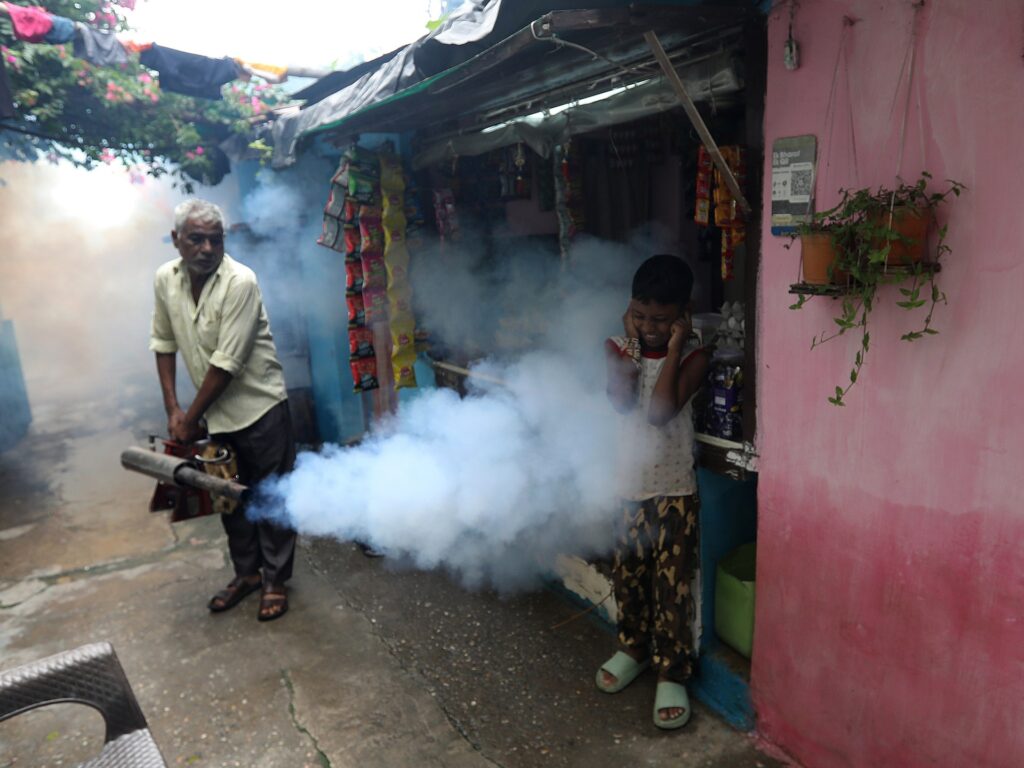
Table of Contents
The Death of the ‘Monsoon Season’
For decades, the arrival of dengue in India followed a predictable, almost rhythmic calendar. The rains would arrive, stagnant water would accumulate, and the Aedes aegypti mosquito would trigger a surge of infections that peaked in the post-monsoon humidity before receding with the winter chill. But for patients like Nitin Sharma, a 32-year-old software engineer in Gurugram, that calendar is now obsolete.
Sharma developed a high fever and severe joint pain in May—weeks before the monsoon officially touched down in Kerala. In previous years, a fever in April or May would have been dismissed as a routine viral infection. Instead, a blood test confirmed dengue, leaving Sharma sidelined from work for two weeks. His experience is not an anomaly; it is a symptom of a shifting epidemiological landscape.
Medical professionals across India are reporting a growing trend of “off-season” transmissions. The traditional window of infection is expanding, effectively transforming a seasonal outbreak into a perennial public health challenge.
Analyzing the Data Shift
The numbers suggest a worrying acceleration. According to the National Center for Vector Borne Diseases Control (NCVBDC), India recorded 6,927 dengue cases by the end of February 2026. To put that in perspective, the total number of cases recorded from January to May 2021 was 6,837. In just two months, the 2026 figures have already eclipsed the five-month total from five years ago.
While the data shows cyclical fluctuations—with 2023 seeing a massive peak of 289,235 infections and 485 deaths, followed by a dip in 2025—epidemiologists warn against complacency. Dr. Aubair Hussain, a Srinagar-based physician, notes that temporary declines in case loads often reflect partial population immunity following a major outbreak rather than a retreat of the virus.
The geographic distribution is also telling. Southern states, particularly Tamil Nadu, Maharashtra, and Kerala, continue to lead in early transmission. This is largely attributed to warmer baseline temperatures and longer breeding windows, but the spread into northern business hubs like Gurugram indicates that the virus is successfully colonizing new urban environments.
The Urban Heat Island Effect
The persistence of dengue outside the rainy season is not merely a result of “warmer weather.” It is the intersection of climate variability and rapid, often unplanned, urbanization. In cities like Delhi and Gurugram, the “urban heat island” effect keeps temperatures elevated even when the surrounding countryside cools. This creates micro-climates where mosquitoes can survive and breed in man-made water storage systems throughout the year.
“Dengue is no longer restricted to the post-monsoon period,” says Dr. Harshdeep Joshi, head of Community Medicine at Maharishi Markandeshwar Medical College and Hospital in Haryana. “The transmission window is expanding.” This shift forces a complete rethink of public health surveillance. Traditionally, government spraying and awareness campaigns peaked during the rains; now, those measures must be sustained year-round to be effective.
Environmental Complications
Adding another layer of complexity is the role of air quality. A 2026 study published in Environmental Pollution (Elsevier) highlighted a disturbing correlation between long-term exposure to fine particulate matter (PM2.5) and increased dengue mortality across 20 endemic countries. The implication is that in India’s most polluted cities, the population is not only more likely to contract the virus off-season but is more vulnerable to severe outcomes when they do.
As the boundaries between seasons blur, the medical community is calling for a transition from reactive “season-based” responses to a permanent, integrated vector management strategy. For the millions living in India’s expanding urban corridors, the risk of dengue is no longer a matter of when the rains arrive, but a constant factor of urban life.