Gigabyte Aero X16 Price Cut Makes 32GB RAM a Rare Mid-Range Luxury
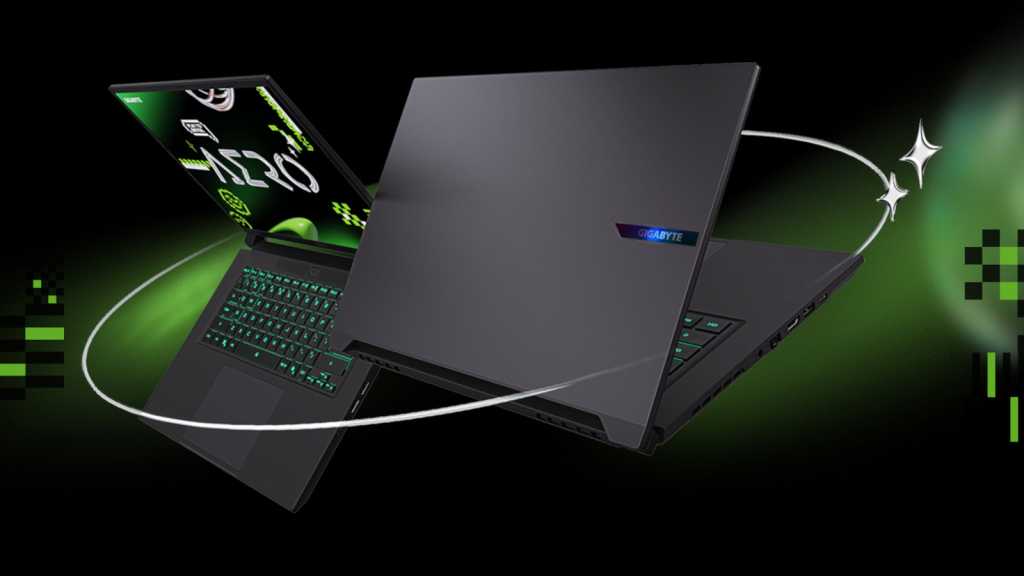
Table of Contents
A Rare Configuration in a Crowded Market
Finding a 16-inch gaming laptop that balances high memory capacity with a sub-$1,400 price tag is becoming increasingly difficult as manufacturers pivot toward soldered components and aggressive tiering. The Gigabyte Aero X16, however, has just hit a pricing sweet spot. Currently listed at $1,389.99—a significant drop from its original $1,999.99 MSRP—the machine represents a shift in value for users who prioritize multitasking and content creation over raw, desktop-replacing power.
While the laptop has frequently hovered around the $1,800 mark in previous promotional cycles, this latest cut brings it into direct competition with budget-tier chassis that typically ship with a restrictive 16GB of RAM. In an era where modern AAA titles and AI-driven creative suites are increasingly memory-hungry, the 32GB of DDR5 onboard is the Aero X16’s most compelling selling point.
The Hardware Trade-off: Efficiency vs. Power
Under the hood, the Aero X16 utilizes the AMD Ryzen AI 7 350. It is important to note that this is not a high-wattage powerhouse designed for maximum overclocking; rather, it is an efficiency-focused processor tailored for thin-and-light profiles. For the average user, this means the laptop remains relatively quiet during productivity tasks, though it may not sustain the same peak performance as the heavier “brick” laptops found in the Razer Blade or Alienware lineups.
Pairing this CPU with the NVIDIA RTX 5070 provides a balanced experience. The GPU is capable of handling most modern games at the native 2560×1600 resolution without significant stuttering, making it an ideal bridge for enthusiast gamers who need a machine that can transition from a boardroom to a gaming setup. Further enhancing the longevity of the hardware is the fact that both the 32GB of RAM and the 1TB SSD are replaceable. In a market where repairability and upgradability are dwindling, the ability to swap out storage or expand memory manually is a major win for long-term ownership.
Display and Portability
The 16-inch IPS panel delivers a clean, color-accurate image with wide viewing angles, which is critical for the “Aero” branding’s target audience of photographers and digital artists. While it lacks the infinite contrast and deep blacks of an OLED screen, the IPS panel avoids the burnout concerns associated with organic LEDs. With a pixel density of approximately 189 PPI, the image is sharp enough for most users, though those accustomed to 4K displays may notice a slight lack of granular detail in high-resolution assets.
Weight is another area where the Aero X16 outperforms its class. Weighing in at just 4.19 pounds, it manages to keep a 16-inch footprint without becoming a burden during transit. This portability makes it a viable alternative to the heavier 15.6-inch gaming laptops that often weigh nearly 5 pounds despite having smaller screens.
The Battery Bottleneck
The primary compromise of the Aero X16 is its power management. Despite the efficiency of the Ryzen AI processor, the machine remains power-hungry. Gigabyte’s marketing claim of 12 hours of battery life is optimistic; real-world usage suggests a more realistic 9 hours for light productivity and video streaming. When the RTX 5070 is engaged for gaming, that number plummets to roughly 2 hours.
For those intending to use the device as a mobile workstation, the takeaway is clear: you will need to carry the power brick. The laptop’s high-performance components simply outpace the energy density of its battery cell during intensive loads.
Ultimately, the Aero X16 at $1,389.99 is a compelling proposition. It offers a level of memory headroom and portability that is rarely seen at this price point, provided you are comfortable with its limited unplugged gaming endurance.