Amazon Engineers Lead Push for Seattle Data Center Moratorium Amid AI Resource Crisis
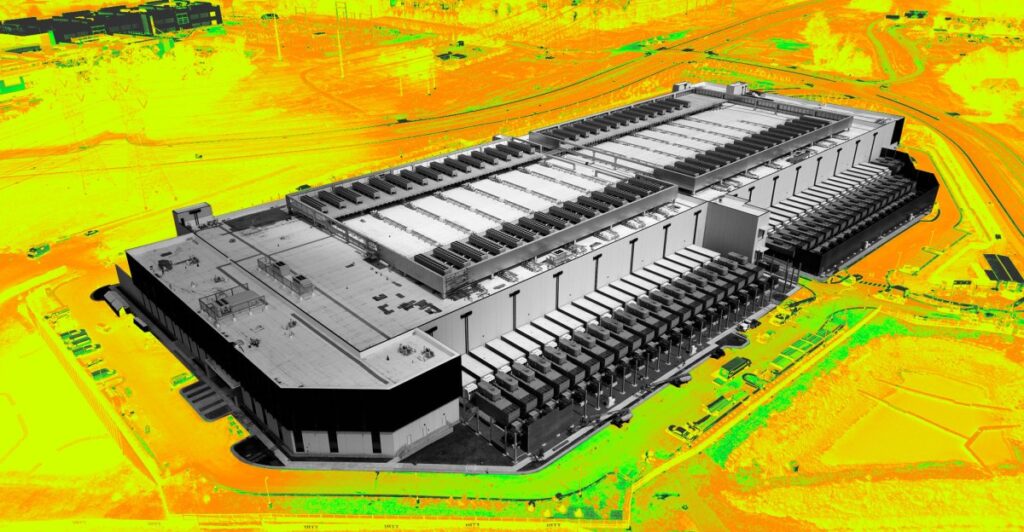
Table of Contents
The Frontline Conflict in the AI Arms Race
In a rare instance of internal dissent manifesting as public policy advocacy, a group of Amazon software engineers and technical staff have emerged as key voices urging the Seattle City Council to halt the rapid expansion of data center infrastructure. The push comes as the city prepares to vote on a proposed one-year moratorium on new large-scale data center projects, a move designed to prevent the city’s electrical and water grids from being overwhelmed by the insatiable demands of generative AI.
The tension in Seattle reflects a broader national struggle. Across the U.S., the physical footprint of the “cloud”—massive, energy-hungry warehouses of servers—has sparked local protests over noise pollution, skyrocketing electricity costs, and the depletion of local water tables. In Seattle and the surrounding King County, this conflict has moved from the streets to the council chambers.
Inside the Employee Revolt
Among those testifying were members of Amazon Employees for Climate Justice, a coalition of current and former workers who argue that the company’s pursuit of AI dominance is cannibalizing its own environmental commitments. Liesl Wigand, a senior software engineer at Amazon, provided a candid glimpse into the industry’s internal culture during a Seattle Land Use and Sustainability committee hearing.
“In my job, I see the consequences of the all-costs-justified AI buildout,” Wigand testified, suggesting that a dangerous narrative has taken hold within the tech sector: the belief that AI is the universal solution to every problem, regardless of the physical resources it consumes. This sentiment was echoed by other industry insiders who described an “omnipresent” culture of growth-at-all-costs that ignores the ecological toll of training large language models (LLMs).
The scale of the proposed expansion in Seattle is significant. According to reporting from The Seattle Times, four unnamed companies have proposed five new large-scale centers with a combined maximum demand of 369 megawatts. To put that in perspective, this represents approximately one-third of Seattle’s average daily electricity usage and would result in power consumption ten times higher than the city’s current fleet of 30 data centers.
Demanding Transparency and Accountability
The moratorium is not just about stopping construction; it is about shifting the power dynamic between municipal governments and Big Tech. Patrick Schloesser, another Amazon software engineer, challenged the city to strip away the anonymity often used by developers to bypass local scrutiny. He urged the council to mandate that developers stop hiding behind non-disclosure agreements (NDAs) and shell companies, which frequently obscure who is actually funding and operating these facilities.
Schloesser and other testifying engineers proposed a series of stringent requirements for any future developments, including:
- Energy Additionality: Requiring developers to provide 100 percent additional renewable energy to the local grid, rather than simply buying carbon offsets.
- Labor Protections: Implementing taxes on companies that build massive infrastructure while simultaneously conducting workforce layoffs.
- Public Oversight: Establishing worker-led safety committees that report directly to the city to monitor the societal risks of the AI being developed on-site.
The Infrastructure Breaking Point
At a separate hearing before the Parks and City Light committee, Amazon engineer Darius Irani emphasized that the city cannot rely on corporate self-regulation. He called for mandatory public reporting of water and electricity usage and the provision of additional energy transmission and storage capacity to protect existing residents from price hikes.
The room was filled with a diverse array of critics, ranging from electrical engineers to former tech workers who claimed their own roles were erased by the very AI these data centers support. Some residents shared recordings of the persistent, low-frequency hum produced by industrial cooling systems, while others highlighted the displacement of single-family homes to make room for server farms.
The proposed emergency moratorium, coupled with a resolution for deeper research into public health and infrastructure impacts, represents a critical test for Seattle. If passed, it would signal that the “AI race” is no longer a purely digital competition, but a physical struggle over land, water, and power.