iOS 27: Apple Pivots Siri Into a Standalone AI Hub and Refines ‘Liquid Glass’ Aesthetics
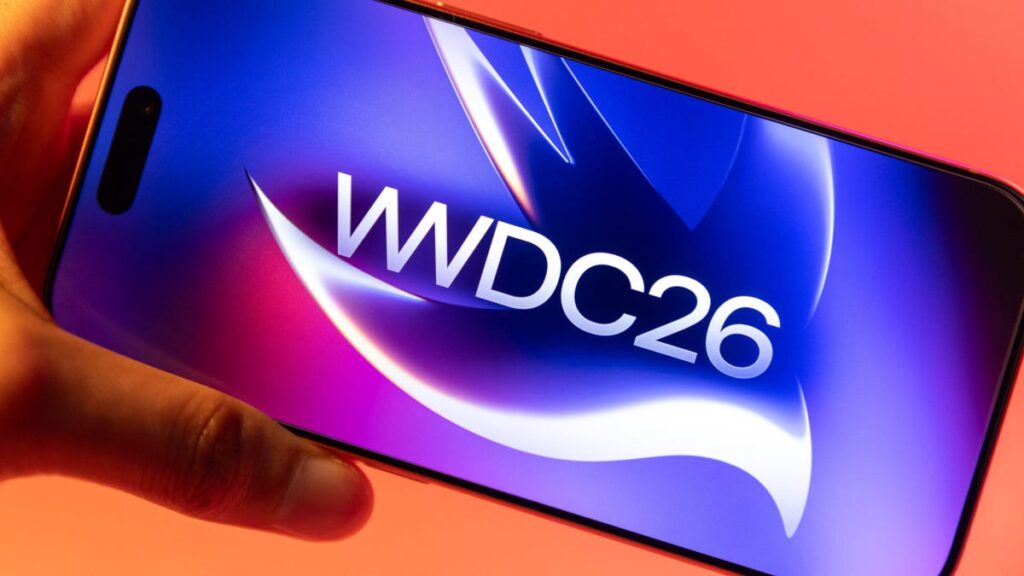
Table of Contents
A Paradigm Shift for the Digital Assistant
At the 2026 Worldwide Developers Conference (WWDC), Apple unveiled iOS 27, a release that marks a fundamental shift in how users interact with the iPhone. While previous iterations of Apple Intelligence focused on background automation and text refinement, iOS 27 pushes the AI directly into the foreground, transforming Siri from a voice-activated utility into a comprehensive AI hub.
The centerpiece of this transition is the introduction of a dedicated Siri app. By decoupling the assistant from a simple system-level trigger, Apple is effectively moving Siri into the same territory as ChatGPT and Anthropic’s Claude. This standalone interface allows for persistent conversation threads that sync across the Apple ecosystem, meaning a complex query started on an iPhone can be seamlessly continued on an iPad or Mac. This move suggests that Apple recognizes the shift in user behavior toward long-form, iterative AI prompting rather than short, command-based requests.
The integration extends to the hardware interface as well. Users can now trigger Siri AI via a swipe-down gesture from the Dynamic Island, streamlining access to the LLM-powered assistant. According to Apple, this new iteration of Siri will possess deeper agency within system apps, allowing it to perform complex actions across Messages, Music, and Reminders with a level of contextual awareness that previous versions lacked.
Expanding the Visual Language of ‘Liquid Glass’
Beyond the AI overhaul, iOS 27 continues the evolution of the “Liquid Glass” design language first introduced in iOS 26. This aesthetic shift—the first major visual overhaul since the flat-design pivot of iOS 7—is becoming more customizable. The new software introduces a Liquid Glass slider, giving users granular control over the opacity and translucency of system elements. This allows for a more personalized UI that can shift from a bold, opaque look to a subtle, glass-morphic transparency.
The AI influence also bleeds into the Camera and Photos apps. A new “Siri Mode” within the Camera app turns the lens into a real-time information engine. By pointing the camera at an object, the system leverages visual intelligence to provide immediate context and data, effectively blending the camera with a live search engine. Meanwhile, the Image Playground app, which debuted in 2024, has been upgraded to support photorealistic image generation, narrowing the gap between Apple’s native tools and third-party generators like Midjourney.
Health Tracking and Hardware Support
Apple is also expanding the utility of the Health app, adding specific support for menopause and perimenopause tracking. This update allows users to log symptoms and access educational resources, continuing Apple’s trend of positioning the Apple Watch and iPhone as critical tools for women’s health management.
In terms of compatibility, Apple is maintaining a relatively generous support window. iOS 27 will be available for devices as old as the iPhone 11. However, there is a clear divide in feature parity. While the core OS will run on older hardware, the most advanced “Siri AI” capabilities are reserved for Apple Intelligence-enabled devices, specifically the iPhone 16 Pro and newer models, due to the neural engine requirements for on-device processing.
Developers can access the iOS 27 beta immediately, with a public beta expected to roll out in July. The final stable build is slated for a fall release, typically coinciding with the launch of the next iPhone generation in September.