NASA Crew Retreats to SpaceX Dragon as Roscosmos Struggles with ISS Module Leaks
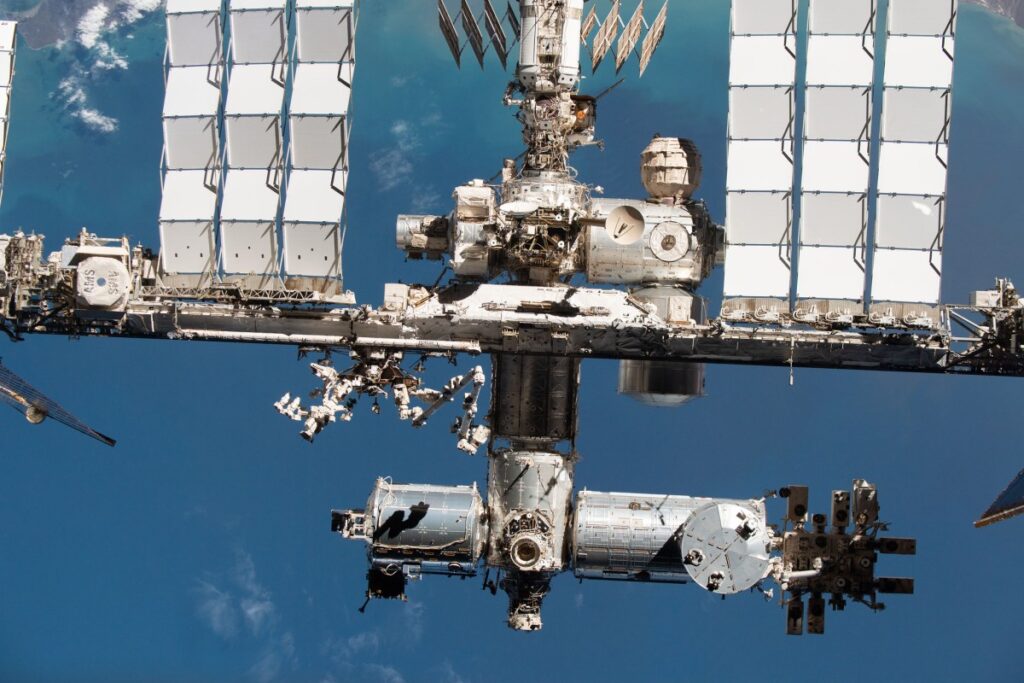
Table of Contents
A Temporary Refuge in Orbit
The fragile interdependence of the International Space Station (ISS) was on full display Friday when NASA ordered five astronauts to evacuate the station’s main cabins and seek shelter inside a docked SpaceX Crew Dragon spacecraft. The move came as the Russian space agency, Roscosmos, attempted a high-stakes repair operation on a leaking service module, highlighting the growing technical volatility of the aging orbital laboratory.
NASA spokesperson Bethany Stevens confirmed the incident via X, stating that Roscosmos had identified new leaks within the service module, prompting a decision to execute an “extensive repair operation.” To mitigate risk during the procedure, NASA directed four members of the SpaceX Crew-12 mission and NASA astronaut Chris Williams to assume what the agency termed an “elevated safety posture” within the Dragon capsule.
The use of the Crew Dragon as a “safe haven” is a standard but serious protocol. In the event of a catastrophic depressurization or fire, the Dragon serves not only as a taxi to Earth but as a pressurized lifeboat, capable of sustaining the crew while the rest of the station is compromised. For roughly an hour, the five astronauts remained sequestered in the capsule while Russian cosmonauts worked to stabilize the module.
The Persistent Problem of Pressure
This isn’t the first time the Russian segment of the ISS has flirted with structural failure. Stevens noted that the cracks in the service module have “always been a concern that NASA watches very closely,” suggesting that the current crisis is an escalation of a known, chronic degradation issue. The service module provides critical propulsion, power, and thermal control for the Russian Orbital Segment (ROS); a significant breach could jeopardize the entire station’s atmospheric integrity.
The tension of the operation was short-lived but telling. Just over an hour after the initial alert, Stevens updated the public, noting that Roscosmos had paused its repair efforts to collect more measurements and data. With the immediate repair on hold, the crew was instructed to end safe haven procedures and return to their standard operations aboard the ISS.
An Aging Giant in Transition
The incident underscores the precarious state of the ISS, which is now well past its original intended lifespan. The station is currently home to 10 people, including a mix of NASA, ESA, and Roscosmos crews. However, the operational friction and the need for constant, emergency patching are fueling a broader strategic shift in how the U.S. approaches low-Earth orbit (LEO).
Under the leadership of administrator Jared Isaacman, NASA is accelerating plans to move away from the government-owned ISS model. The agency is pushing for the deployment of commercially produced modules later this decade, transitioning from a state-run outpost to a series of private space stations. This move is designed to reduce the burden of maintaining decaying infrastructure and shift the financial and operational risk to the private sector.
While the crew has returned to their duties, the pause by Roscosmos indicates that a permanent fix remains elusive. The interdependence between NASA’s logistics—provided by SpaceX—and Russia’s life-support and propulsion systems continues to be the central, and often stressful, pivot point of human presence in space.


