The TWS Pivot: Why Earbuds Are Winning the War for Your Ears
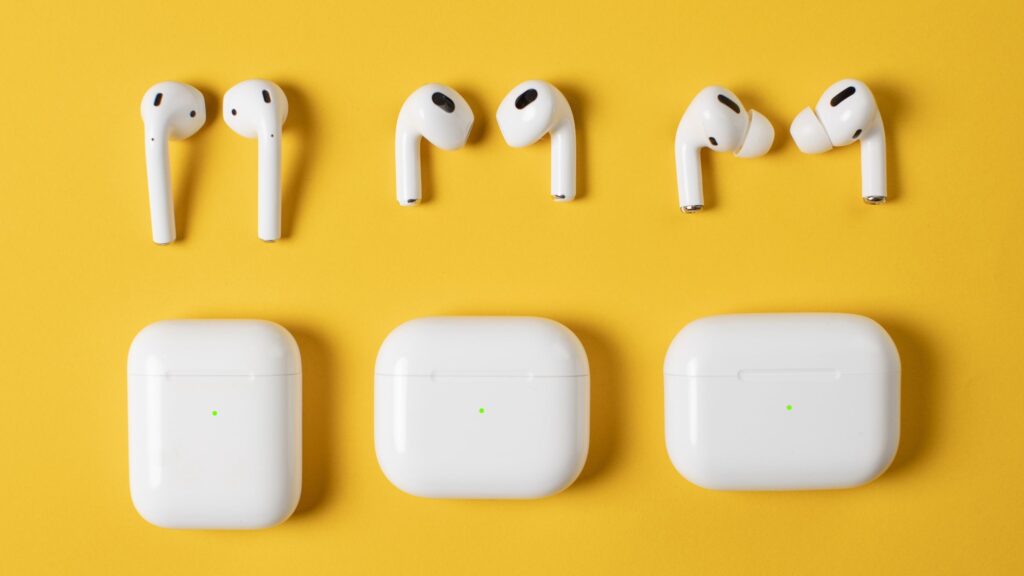
Table of Contents
The invisible shift in audio consumption
For decades, the gold standard of personal audio was a matter of physical scale. If you wanted fidelity, you bought oversized circumaural headphones. If you wanted portability, you settled for the tangled mess of wired earbuds that came bundled with every iPod or Android handset. But the launch of the first AirPods in 2016 didn’t just introduce a new product; it catalyzed a fundamental shift in how we interact with sound, moving us toward an era of ‘ambient computing’ where audio is a constant, frictionless layer of our daily lives.
The industry now categorizes these devices under the broad umbrella of True Wireless Stereo (TWS). Unlike the early iterations of wireless buds that still shared a connecting cable, TWS separates the left and right channels entirely. This architectural change solved the ‘cable snag’ problem but introduced a new set of engineering hurdles: battery life, synchronization latency, and the inevitable struggle with fit and stability.
The trade-off between size and sonics
There is an inherent physical limitation to the earbud form factor. In acoustics, larger drivers generally move more air, resulting in the rich, sweeping bass responses found in over-ear models. Earbuds, utilizing tiny balanced armature drivers or miniature dynamic drivers, simply cannot compete on a raw frequency response scale. However, the gap is narrowing. The rise of In-Ear Monitors (IEMs) has brought a level of precision and detail to the ‘bud’ format that was previously reserved for studio headphones.
Modern TWS devices now lean on Digital Signal Processing (DSP) to cheat the laws of physics. By using software to boost specific frequencies and employing Active Noise Cancellation (ANC) to carve out a silent void, brands like Sony and Apple have made the ‘portable’ experience almost as immersive as a seated listening session. The stability of the fit—once a gamble—has been solved through a proliferation of silicone and memory foam tips, transforming earbuds from a casual accessory into a legitimate tool for athletes and professionals alike.
Navigating the Prime Day audio surge
As we approach major retail events like Amazon Prime Day, the market is currently flooded with options that make the decision-making process surprisingly opaque. The current landscape is split into three distinct tiers: the ecosystem plays, the audiophile alternatives, and the budget disruptors.
The ecosystem plays, led by the AirPods Pro and Samsung Galaxy Buds series, prioritize seamless switching between devices and deep OS integration. These are the ‘it just works’ options. Then there are the high-fidelity contenders, where companies like Sennheiser and Sony push the boundaries of codec support—such as LDAC and aptX Adaptive—to deliver near-lossless audio over Bluetooth.
Finally, the budget sector has seen an explosion of quality from brands that were previously dismissed as generic. These devices often offer 80% of the performance of flagship buds at 20% of the cost, forcing the big players to innovate faster on features like multipoint pairing and transparency modes.
Comparing the Portable Audio Landscape
| Feature | TWS Earbuds | Over-Ear Headphones | Wired IEMs |
|---|---|---|---|
| Portability | Extreme | Low | High |
| Soundstage | Intimate | Wide/Open | Precise |
| Battery | 4-8 Hours (Buds) | 30-60 Hours | N/A (Passive) |
| Use Case | Commuting/Gym | Studio/Home | Critical Listening |
While the convenience of wireless audio is undeniable, the persistence of wired monitors in professional circles suggests that the ‘perfect’ sound still requires a physical connection. But for the vast majority of users, the trade-off is a win. We have traded a sliver of acoustic purity for a massive increase in utility.


