Leaked Surface Pro 13 Specs Reveal Snapdragon X2 Elite Power and Long-Awaited OLED Display
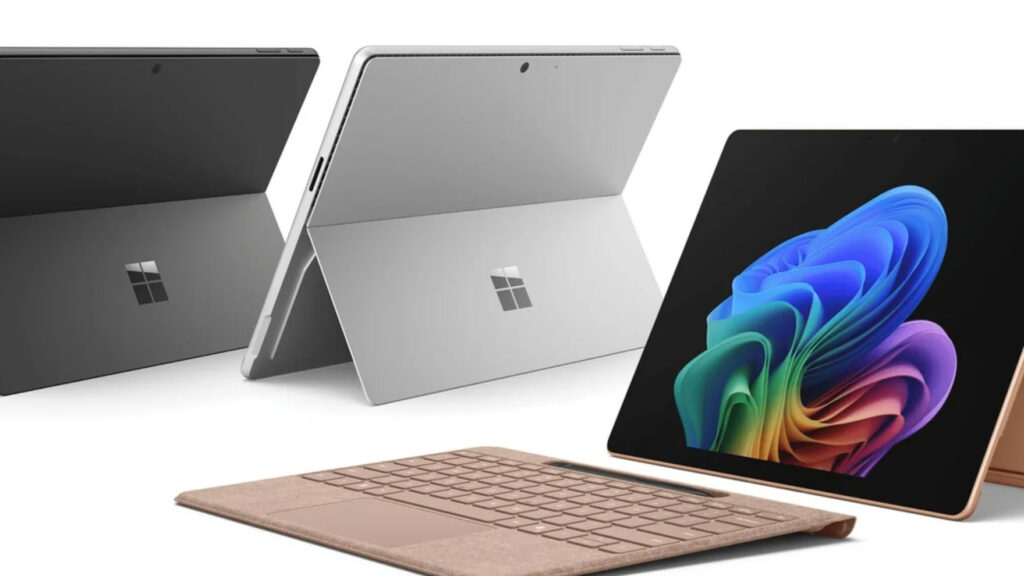
Table of Contents
A Strategic Pivot to ARM
Microsoft is currently in the midst of a significant hardware transition, attempting to solve the long-standing struggle between Windows performance and battery efficiency. While the company has recently focused on the new Surface Laptop lineup, a series of detailed leaks suggests that the upcoming 13-inch Surface Pro is designed to be the flagship showcase for Qualcomm’s next-generation silicon.
The leaked specifications point to the inclusion of the Snapdragon X2 Elite, specifically the high-tier variant featuring 12 Prime Oryon Cores. This represents a deliberate move by Microsoft to distance itself from the erratic efficiency of previous x86-based tablets. By leaning into the ARM architecture, Microsoft is positioning the Surface Pro 13 not just as a productivity tool, but as a direct competitor to the MacBook Air in terms of standby time and thermal management.
The Display and Input Overhaul
Perhaps the most significant update for power users is the transition to an OLED panel. While Surface devices have historically relied on high-quality LCDs, the move to OLED allows for deeper blacks and significantly better contrast, which is critical for the creative professionals who rely on the Surface Slim Pen. This display upgrade aligns Microsoft with the current industry trend seen in the iPad Pro M4, where OLED is becoming the standard for high-end tablets.
The leak also mentions a new “FlexKeyboard.” While previous Type Covers have been reliable, the FlexKeyboard is described as being capable of functioning in a true laptop mode while remaining detached from the tablet via a wireless connection. This suggests Microsoft is experimenting with the physical relationship between the tablet and its keyboard, potentially allowing for more flexible ergonomics during use.
Technical Specifications and AI Integration
Under the hood, the Surface Pro 13 is expected to ship with 32GB of soldered RAM, reflecting the increasing memory demands of local AI workloads. Storage remains modular, utilizing a replaceable PCIe 3.0 SSD with configurations ranging from 256GB up to 1TB. While PCIe 3.0 may seem conservative given the speed of newer standards, it likely serves as a balance between power consumption and necessary read/write speeds for a tablet form factor.
The core of the device’s identity, however, lies in the Hexagon NPU. The leaks claim a compute capacity of up to 80 TOPS (INT8), which puts it well above the threshold required for Microsoft’s “Copilot+ PC” branding. This hardware is designed to handle on-device AI tasks—such as live captions and advanced image generation—without relying on cloud latency.
Connectivity and Battery Life
The device will likely feature two USB-C 4.0 ports, which handle the heavy lifting for charging, high-speed data transfer, and external video output. On the endurance front, the Snapdragon X2 Elite is promising an impressive 15.5 hours of video playback, a figure that would finally put Surface devices on par with the efficiency of Apple’s M-series chips.
To ensure software compatibility, the Surface Pro 13 will continue to utilize x86 emulation, allowing users to run traditional Windows apps that haven’t been natively ported to ARM. The device is rumored to be available in three colorways: Black, Platinum, and a new “Dune” finish.
If these leaks hold true, we can expect an official announcement and release around June 16th, as Microsoft looks to consolidate its hardware ecosystem around AI-driven ARM architecture.


