Security Lockdowns and Jumbotron Jeers: The Logistical Chaos of a Presidential NBA Finals Visit
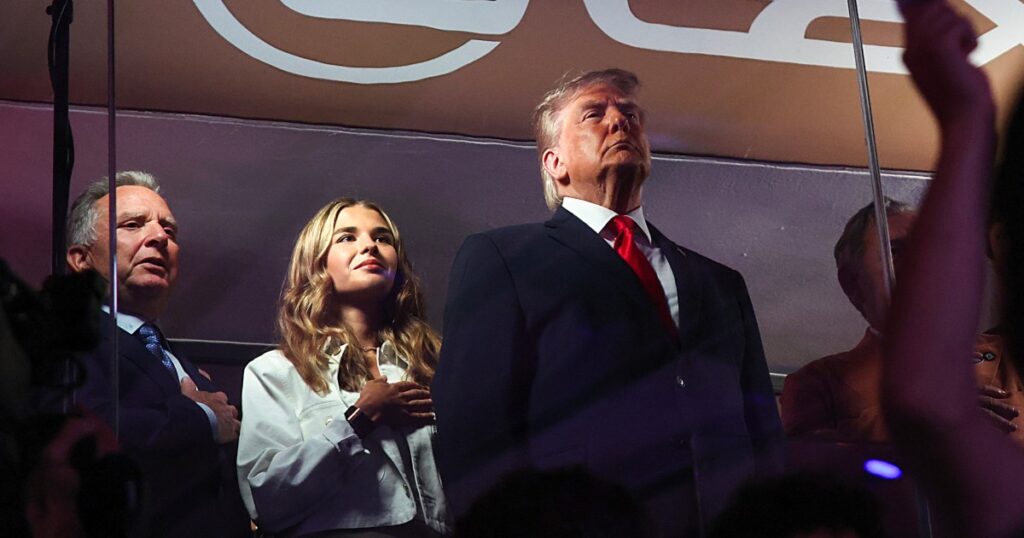
Table of Contents
A Historic Visit Met With Friction
Madison Square Garden is no stranger to power and prestige, but the atmosphere during Game 3 of the NBA Finals shifted from sporting excitement to political tension on Monday. President Donald Trump became the first sitting U.S. president to attend an NBA Finals game, joining the New York Knicks in their bid to maintain a 13-game winning streak against the San Antonio Spurs. However, the historic nature of the visit was largely overshadowed by the visceral reaction of the crowd and the restrictive security apparatus that descended upon Midtown Manhattan.
The moment of maximum tension arrived during the national anthem. As the jumbotron panned to the presidential suite, the arena erupted in a wave of booing that momentarily drowned out the music. Trump, maintaining a composed demeanor, smiled and saluted through the jeers. The crowd’s volatility was highlighted seconds later when the camera shifted to Knicks star Jalen Brunson, triggering an immediate transition from derision to raucous cheers.
The ‘Fortress MSG’ Protocol
While the jumbotron drama provided the headlines, the real story for thousands of fans was the logistical nightmare of entering the arena. To accommodate the Secret Service and NYPD requirements for a sitting president, Madison Square Garden implemented a security regime that felt more like an international airport than a basketball arena.
Ticket holders were subjected to a strict no-bag policy and TSA-style screenings that created significant bottlenecks. For many, the friction began before they even reached the doors. The NYPD and Secret Service established a sweeping secure zone in Midtown Manhattan, effectively banning pedestrians and vehicles from several key arteries around the Garden. This “sterile zone” approach, designed to mitigate risks and manage crowd flow, turned one of the world’s busiest intersections into a restricted military-style perimeter.
The Canceled Watch Party
The security ripple effect extended beyond the building’s walls. In a move that sparked backlash among the Knicks faithful, city officials decided against hosting the traditional outdoor watch party. The NYPD and Secret Service cited “heightened security requirements associated” with the President’s attendance as the primary reason the gathering was deemed impossible.
For fans who couldn’t secure tickets to the 2-0 series lead celebration, the cancellation was a bitter pill. The decision underscores the increasing complexity of integrating high-level government security into high-density public events, where the needs of the Secret Service often clash with the cultural rituals of sports fandom.
A Pattern of Public Spectacle
Trump’s appearance at the Garden is not an isolated event but part of a broader strategy of visibility. This marked the 17th sporting event the President has attended since returning to office last year, following a trail that included the Super Bowl, the Daytona 500, and the U.S. Open. By aligning himself with high-profile cultural moments, the administration continues to leverage the optics of American sport to maintain a constant public presence.
The guest list in Jim Dolan’s box further emphasized the visit as a gathering of the administration’s inner circle. Alongside the President were Transportation Secretary Sean Duffy, Interior Secretary Doug Burgum, White House deputy chief of staff Dan Scavino, and EPA Administrator Lee Zeldin, as well as family members including Jared Kushner and Kai Trump.
As the Knicks look to close out the series, the legacy of Game 3 will likely be remembered not just for the action on the court, but for the stark reminder of how a single VIP presence can transform a city block into a restricted zone and a sporting event into a political lightning rod.