Asus Debuts Dawn 7 Pro in China, Betting on AMD’s New Ryzen AI 7 445 Silicon
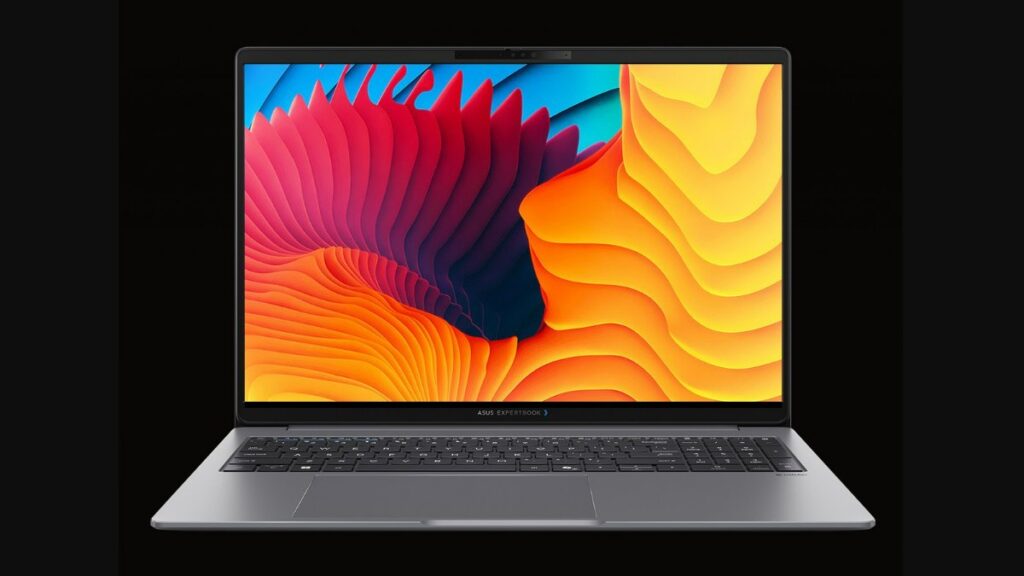
Table of Contents
A New Play for the AI PC Market
Asus has officially expanded its hardware portfolio in the Chinese market with the launch of the Dawn 7 Pro series. While the brand is well-known for its Zenbook and ROG lines, the Dawn series targets a specific intersection of productivity and emerging AI workloads, leveraging AMD’s latest silicon to compete in the increasingly crowded ‘AI PC’ category.
The Dawn 7 Pro arrives in two primary chassis sizes—14-inch and 16-inch—both designed to move away from the traditional budget-laptop aesthetic in favor of a more streamlined, professional finish. However, the real story here isn’t the chassis, but the internals. The series is built around the 4nm AMD Ryzen AI 7 445 processor, a chip designed to handle NPU-accelerated tasks more efficiently than previous generations.
Display and Performance Specs
Both the 14-inch and 16-inch variants ditch the standard 60Hz panels common in office laptops, opting instead for IPS displays with a 144Hz refresh rate. While 144Hz is typically the domain of gaming rigs, Asus is positioning this as a quality-of-life improvement for general UI fluidity and creative work. With a peak brightness of 400 nits, the panels are sufficient for most indoor environments, though they lack the extreme brightness found in the high-end OLED Zenbook series.
Under the hood, the top-tier configurations pair the Ryzen AI 7 445 with integrated Radeon 840M graphics. While not a replacement for a dedicated GPU in AAA gaming, the 840M provides a significant boost for hardware-accelerated AI tasks and light content creation. Powering the system is a 70Wh battery, a respectable capacity that suggests Asus is aiming for a full workday of usage, though the actual endurance will depend heavily on how much the NPU is utilized during active AI processing.
Pricing and Tiering Strategy
Asus has implemented a tiered pricing structure that reflects the trade-off between screen size and processing power. Interestingly, the smaller 14-inch models carry a premium, likely due to the more compact engineering and portability appeal.
| Model | Processor | RAM/Storage | Price (CNY) |
|---|---|---|---|
| 14-inch | Ryzen AI 5 430 | 32GB / 1TB | 9,499 |
| 14-inch | Ryzen AI 7 445 | 32GB / 1TB | 9,999 |
| 16-inch | Ryzen AI 5 430 | 16GB / 1TB | 7,999 |
| 16-inch | Ryzen AI 7 445 | 16GB / 1TB | 8,499 |
The 14-inch model with the Ryzen AI 7 445 is the flagship of the group, retailing for CNY 9,999 (approximately $1,380 / ₹1,40,000). At the other end of the spectrum, the 16-inch entry model with the Ryzen AI 5 430 starts at CNY 7,999 (approximately $1,100 / ₹1,12,000), offering a larger screen at a more accessible price point, albeit with half the RAM of the smaller model.
The Broader Context of AMD’s AI Push
The launch of the Dawn 7 Pro is a calculated move by Asus to diversify its dependence on Intel and Qualcomm’s new Snapdragon X Elite chips. By integrating the Ryzen AI 7 445, Asus is capitalizing on AMD’s ability to blend strong multi-core performance with integrated AI acceleration. As Windows 11 continues to integrate ‘Copilot+’ features, the demand for laptops with dedicated NPUs (Neural Processing Units) is becoming a requirement rather than a luxury.
For now, the Dawn 7 Pro remains exclusive to China, available primarily through JD.com. Whether these specific configurations make their way to global markets under a different branding—such as the Vivobook or Zenbook lines—remains to be seen, but the hardware specs indicate a clear shift toward high-refresh, AI-capable machines as the new baseline for professional laptops.