The Compact Audio War: Why TWS Earbuds are Eating the Headphone Market
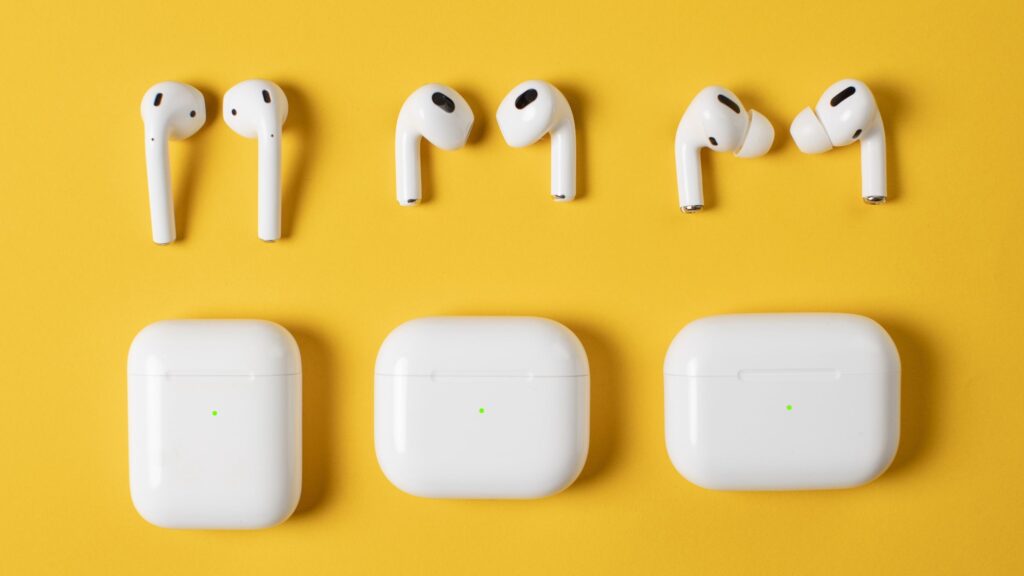
Table of Contents
The Shift Toward Invisible Audio
For decades, the gold standard of personal audio was defined by the physical scale of the driver. If you wanted fidelity, you bought over-ear cans with 40mm drivers and plush padding. But the trajectory of the industry shifted violently in 2016 when Apple launched the first generation of AirPods. By removing the headphone jack and betting on the convenience of True Wireless Stereo (TWS), Apple didn’t just launch a product; they catalyzed a behavioral shift in how we consume media.
What were once dismissed as low-fidelity ‘buds’ have evolved into a complex ecosystem of In-Ear Monitors (IEMs) and noise-canceling powerhouses. The modern consumer is no longer choosing between sound quality and portability—they are demanding both, forcing manufacturers like Sony, Samsung, and Bose to cram sophisticated Digital Signal Processing (DSP) into shells no larger than a grape.
The Engineering Trade-off: Size vs. Sound
The fundamental challenge of the earbud is physics. A larger diaphragm generally moves more air, creating the deep, resonant bass and wide soundstage characteristic of studio headphones. Earbuds, by design, operate in a constrained environment. To compensate, brands have pivoted toward software-driven audio.
Modern TWS devices utilize ‘computational audio,’ where an onboard chip analyzes the sound in real-time and adjusts frequencies to mimic a larger driver. This is why we see a proliferation of companion apps that allow users to tweak EQ settings. Furthermore, the rise of LDAC and aptX Adaptive codecs has narrowed the gap between wired professional gear and wireless convenience, allowing for higher bitrate streaming that satisfies everyone but the most hardcore audiophiles.
Beyond Music: The Utility Era
The reason earbuds have effectively cannibalized the mid-range headphone market isn’t just about size; it’s about integration. The earbuds have become the primary interface for the ‘always-on’ digital lifestyle. With the integration of AI-driven voice assistants, the ability to jump from a podcast to a phone call to a Google Assistant query without touching a device has made them indispensable.
Active Noise Cancellation (ANC) has also moved from the cockpit of airplanes to the morning commute. By using external microphones to phase-out ambient noise, earbuds like the Sony WF-1000XM5 or the AirPods Pro 2 create a personal vacuum of silence that over-ear headphones previously dominated. For the urban professional, the ability to slip a charging case into a pocket is a far more compelling value proposition than the superior acoustics of a bulky headset.
The New Market Divide
We are now seeing a distinct bifurcation in the audio market. On one end, the ‘lifestyle’ segment is dominated by TWS buds that prioritize ecosystem lock-in, battery life, and seamless pairing. On the other, there is a resurgence in high-end wired IEMs—often used by musicians and gamers—where the lack of a battery and the presence of a physical cable ensure zero latency and zero signal degradation.
As we move toward LE Audio and the LC3 codec, the power efficiency of these devices will increase, likely extending battery life and further reducing the footprint of the hardware. The ‘bud’ is no longer a compromise; for the majority of the population, it is the definitive way to experience the digital world.


