Market Volatility and Diplomatic Deadlock: Iran Suspends Military Operations Amid Global Pressure
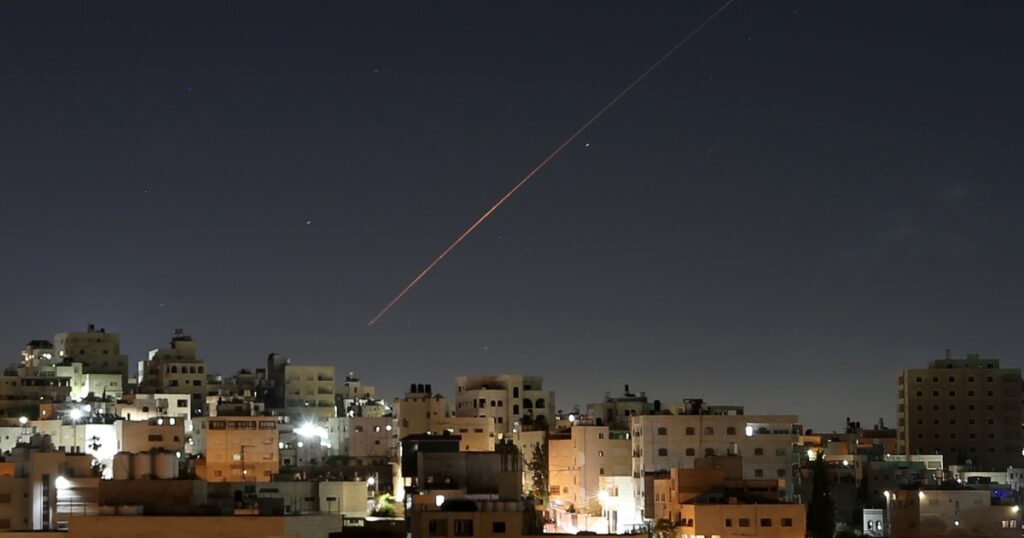
Table of Contents
A Precarious Pause in Escalation
The geopolitical tension between Tehran and Jerusalem has entered a fragile phase of suspension. Iran’s central military headquarters, the Khatam al-Anbiya, announced a “suspension” of its armed forces operations following a series of targeted strikes against Israel. While the announcement suggests a momentary cooling of hostilities, it arrives with a stark ultimatum: any continued aggression, particularly in southern Lebanon, will be met with “far more severe and crushing measures than before.”
The move comes as a strategic pivot. By halting direct operations, Tehran appears to be avoiding a full-scale regional war that could inevitably draw in the United States and its Gulf allies. This calculation is supported by the fact that Iranian projectiles notably avoided U.S. military assets and bases throughout the recent volley—a departure from previous patterns of escalation.
Diplomatic Pressure and the ‘Negotiation Table’
In Brussels, the European Union is treating this pause as a critical window for diplomacy. Kaja Kallas, the EU’s high representative for foreign affairs, emphasized to reporters during a meeting of defense ministers that the Middle East cannot sustain further escalation. Kallas urged the conflicting parties to move beyond military posturing and commit to a formal negotiation table.
The diplomatic effort is not limited to Europe. Qatar, a key U.S. ally and veteran mediator, is actively working to bridge the gap. Qatari Prime Minister and Foreign Minister Sheikh Mohammed bin Abdulrahman bin Jassim Al Thani recently held discussions with Iranian Foreign Minister Abbas Araghchi. The conversations reportedly focused on containment strategies and the possibility of a comprehensive agreement to stabilize the region.
U.S. Involvement and the Trump Variable
The United States has maintained a posture of calculated detachment during the most recent exchange. According to a U.S. official, the American military did not participate in strikes against Iran, nor did it intercept Iranian projectiles, as the assessment indicated that U.S. personnel and assets were not the intended targets. CENTCOM Commander Adm. Brad Cooper has remained in communication with Israeli military officials, but the lack of direct tactical cooperation suggests a desire by Washington to avoid being pulled into a direct kinetic conflict with Tehran.
Adding a layer of unpredictability is President Donald Trump, who has claimed via Truth Social that both Israel and Iran are seeking an “immediate ceasefire.” Trump suggested that “final negotiations on peace are proceeding,” though he cautioned that a blockade would remain in effect until a definitive deal is reached. His assertion that a deal is imminent contrasts with the grounded reality of the ongoing skirmishes between Israel and Hezbollah in Lebanon.
The Economic Ripple Effect
The markets reacted almost instantly to the news of Iran’s suspension. The energy sector, which had seen U.S. crude oil climb as much as 5.4% on fears of a wider war, saw prices tumble quickly. Brent crude and WTI both retreated, with the latter settling at a modest 1.5% gain. This volatility underscores how deeply global energy prices are tied to the perceived stability of the Strait of Hormuz and the Levant.
Equity markets mirrored this relief. Nasdaq 100 futures rose by 1.4% and S&P 500 futures climbed 0.8% as traders priced out the immediate risk of a systemic regional collapse. However, the stability remains superficial; the core disagreement regarding Lebanon—whether it should be included in a peace deal or treated as a separate entity—remains the primary friction point that could reignite the conflict.
As Israel has yet to formally respond to Iran’s suspension, the region remains in a state of high alert, with military readiness on both sides remaining at peak levels.