The $200 MacBook Air: Evaluating the Trade-offs of Ultra-Cheap Refurbished Hardware
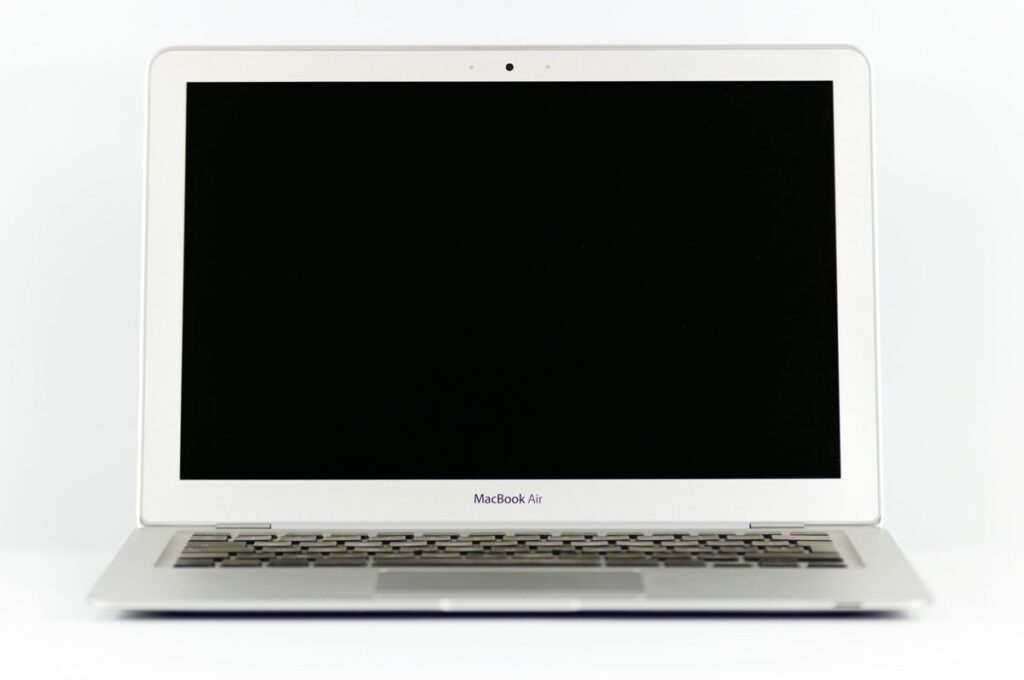
Table of Contents
In an era where entry-level iPads frequently cross the $400 threshold and new MacBook Airs lean heavily into the $1,000+ range, a specific corner of the secondary market has emerged for those who prioritize a physical keyboard over raw processing power. A current flash sale has pushed a 13-inch MacBook Air down to $199.97—a price point that undercuts even the most basic tablet offerings from Apple.
The Hardware Reality: Intel in a Silicon World
To understand why this machine is priced at roughly 20% of its original MSRP, one has to look at the internals. This isn’t the M2 or M3 powerhouse found in modern Apple Stores; it is a legacy Intel-based machine. Equipped with a 1.8GHz Intel Core i5 processor and 8GB of RAM, the device represents the final chapter of Apple’s reliance on x86 architecture before the transition to Apple Silicon.
For a power user, this hardware is obsolete. However, for a student, a writer, or someone needing a dedicated machine for web-based workflows, the specifications remain functional. The 128GB SSD is the primary bottleneck here, leaving very little room for local storage once the OS and basic apps are installed. Users will almost certainly need to rely on iCloud or external drives to manage their files effectively.
Deciphering ‘Grade A/B’ Refurbished
The steep discount is tied directly to the device’s “Grade A/B” refurbishment status. In the secondary electronics market, grading is the primary indicator of cosmetic condition. A Grade A device is virtually indistinguishable from new, whereas Grade B implies visible wear. For this specific MacBook, the designation means buyers should expect light scratches, minor dents, or scuffs on the aluminum chassis.
Crucially, the grading refers to aesthetics, not functionality. The hardware is certified as operational, but the battery health is the wild card. While Apple originally marketed this chassis with a 12-hour battery life, the actual runtime on a refurbished Intel unit will vary depending on the original battery’s cycle count and the efficiency of the refurbishment process.
Who is this actually for?
At $199.97, the MacBook Air stops being a “laptop’ and starts being a “tool.” It is an ideal candidate for a secondary “beater” laptop—a device you aren’t afraid to take to a coffee shop or use in a high-risk environment where a $1,200 M3 MacBook would feel like a liability.
It also serves as a viable entry point for users who require macOS for specific software but cannot justify the cost of a new machine. The 13.3-inch widescreen display remains a highlight; even by modern standards, the brightness and color accuracy of these panels outperform most budget Chromebooks in the same price bracket.
The Long-term Outlook
The biggest risk isn’t the cosmetic scuffing, but the software sunset. Apple is gradually phasing out support for Intel-based Macs. While the machine will run current versions of macOS for now, the window for official OS updates is narrowing. Once the device is dropped from the compatibility list, users will be relegated to security patches rather than new features.
Ultimately, this deal represents a calculated gamble. For the price of a few video games or a mid-range tablet, you get a full clamshell computer with a physical keyboard and a proven chassis. As long as the buyer understands they are purchasing a legacy device with limited storage and a ticking software clock, the value proposition is hard to ignore.