The Rise of ‘Death-Tech’ and the Return of the Home Burial Movement
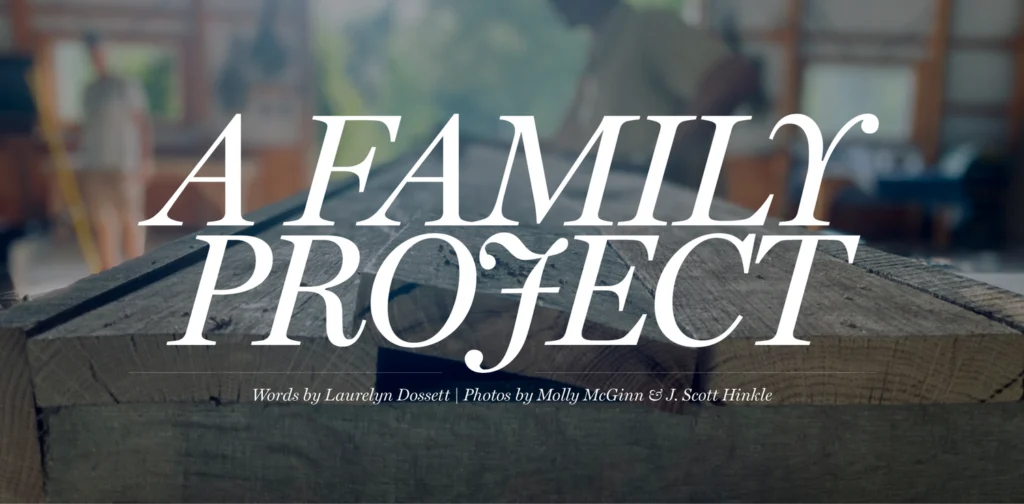
Table of Contents
The Decentralization of the Final Act
For decades, the North American deathcare industry has operated as a rigid monopoly of funeral homes and commercial cemeteries. However, a quiet shift is occurring. Driven by a combination of environmental consciousness, a desire for autonomy, and the emergence of ‘death-tech’—digital tools that streamline end-of-life planning—more families are bypassing the traditional corporate funeral model in favor of home burials.
The transition is not merely sentimental; it is a logistical rebellion. In states like North Carolina, the legal framework for home burial is surprisingly permissive. According to local health department guidelines in rural counties, home burials are often permissible provided they adhere to basic sanitary setbacks—typically remaining a specific distance from septic tanks, wells, and property lines. This regulatory openness is fueling a trend toward ‘green burials,’ where the removal of embalming chemicals and concrete vaults reduces the ecological footprint of death.
The Logistics of Autonomy
The shift toward home burial often begins with a rejection of the industrialization of grief. The traditional funeral process is a high-friction experience involving third-party intermediaries, expensive caskets, and rigid schedules. In contrast, the home burial movement leverages a ‘DIY’ ethos, often supported by community networks and digital resources that provide the legal and technical blueprints for private interment.
The technical requirements for a legal home burial are often simpler than the public perceives. In many jurisdictions, no formal permit is required for a family plot on private land. The process transforms from a commercial transaction into a family project—integrating traditional craftsmanship, such as the construction of biodegradable wooden caskets, with modern land management. This movement mirrors the broader ‘decentralization’ trend seen in other tech sectors: removing the middleman to regain control over a primary experience.
Death-Tech and the Digital Transition
While the physical act of burial is returning to its roots, the planning process is becoming increasingly digitized. A new wave of startups is attacking the funeral industry’s lack of transparency. Platforms now offer price-comparison tools for cremation and burial, digital legacy vaults for passwords and final wishes, and AI-driven grief support systems.
This ‘death-tech’ ecosystem is solving the primary barrier to home burial: information asymmetry. For years, the specifics of state statutes regarding home interment were buried in dense legal texts. Today, digital communities and specialized legal blogs provide immediate clarity on zoning laws and health codes, empowering families to make the decision to bring their loved ones home without fearing legal repercussions.
The Ecological and Psychological Pivot
The move toward home burial is also inextricably linked to the rise of sustainable living. The traditional funeral industry is a significant polluter, utilizing millions of gallons of formaldehyde and tons of steel and concrete annually. By opting for a simple shroud or a handmade oak casket, families are participating in a carbon-sequestration effort, returning nutrients to the earth without synthetic interference.
Psychologically, the ability to control the environment of death—moving away from the sterile atmosphere of assisted living facilities or hospital wards—provides a level of closure that corporate services cannot replicate. The intimacy of a family-dug grave, located within sight of a personal garden or a familiar landscape, replaces the sanitized experience of a commercial cemetery with a grounded, tangible connection to place.
As the Baby Boomer generation enters its final chapters, the tension between the legacy funeral industry and the decentralized deathcare movement is expected to intensify. The intersection of regulatory freedom and digital empowerment is turning the act of burial from a service one buys into a final, meaningful project a family undertakes together.