Hotta Studio’s ‘Neverness to Everness’ Aims to Blend Urban Surrealism with Open-World RPG Mechanics
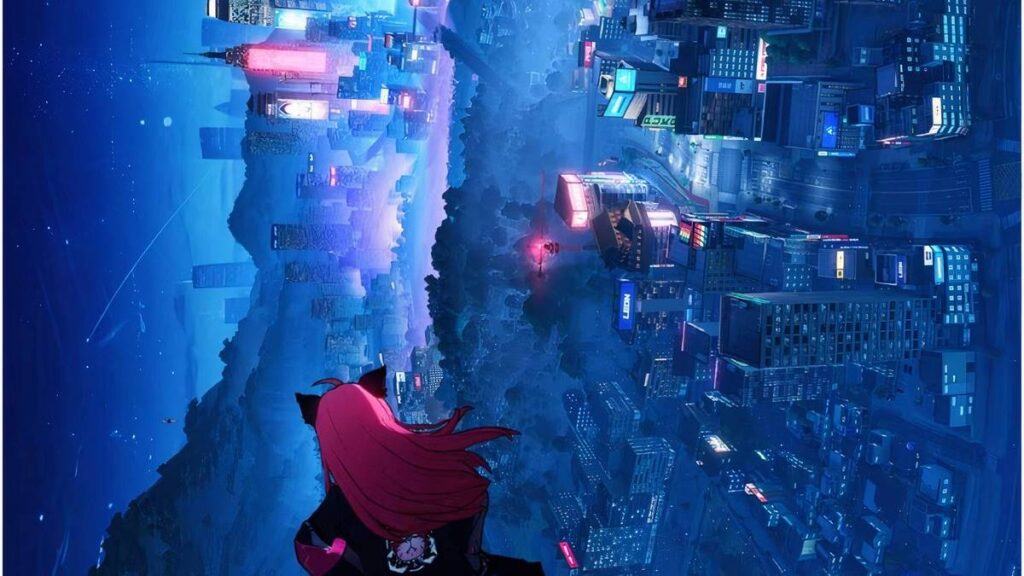
Table of Contents
A New Venture into Urban Surrealism
Hotta Studio, the development team known for its ambitious approach to live-service titles, has unveiled more details regarding its upcoming project, Neverness to Everness (NTE). Positioned as a supernatural open-world RPG, the title departs from traditional high-fantasy settings in favor of a densely packed, modern metropolis called Hethereau. The game focuses on the intersection of mundane city life and the ‘abnormal,’ placing the player in the role of an unlicensed Anomaly Hunter.
The narrative core centers on the player’s affiliation with Eibon, an antique shop that serves as a front for taking on public Anomaly commissions. This setup allows Hotta Studio to weave a story that balances episodic, character-driven side quests with a larger, more ominous plot involving a colossal organization known as ‘The Circle’ and a series of cryptic prophecies. By grounding the supernatural elements within a commercial city environment, NTE attempts to create a contrast between the corporate bureaucracy of the Bureau of Anomaly Control and the chaotic nature of the paranormal entities inhabiting the streets.
The Mechanics of Hethereau
Unlike many open-world RPGs that focus primarily on combat and exploration, Neverness to Everness appears to be leaning heavily into ‘urban lifestyle’ simulation. The city of Hethereau is designed as a social hub where players can engage with a diverse cast of entities, ranging from robotic butlers to TV-headed repairmen. The game introduces a social mapping system, allowing players to build relationships with various factions and individuals—referred to in-game as ‘Bagel’ friends—which likely influences the progression of side stories and character bonds.
Traversal in the game is notably varied. While the metropolis is designed for exploration on foot, the game includes a robust vehicle customization system, allowing players to modify cars to navigate the city’s heartbeat. For faster transit through supernatural zones, the ‘Ghost Train’ serves as a specialized mechanic for traversing Anomaly spaces, suggesting that the map is divided between the physical city and ethereal dimensions.
Customization and Player Agency
Hotta Studio is implementing a layer of personalization that goes beyond character stats. Players can purchase and redecorate homes, browse seasonal goods at shops on Hankaku Street, and engage in routines that mirror a living city. This emphasis on the ‘daily life’ aspect of the game suggests a design philosophy similar to titles that blend RPG elements with life simulation, aiming to keep players invested in the world even when they aren’t actively hunting anomalies.
Industry Context and Technical Ambition
The decision to build a high-fidelity urban environment poses significant technical challenges, particularly regarding asset density and NPC AI. If the “abnormal scenes” described by the studio—such as Esper commuters and chaotic street chases—are seamless and systemic, NTE could represent a leap in how urban spaces are utilized in the RPG genre. The game’s aesthetic and structure position it as a competitor in the growing market of stylized, open-world anime games, though its focus on supernatural urban investigation gives it a distinct identity compared to more traditional exploration titles.
With recent updates introducing new characters for Version 1.2 and the expansion of areas like Sunni Island, it is clear that Hotta Studio is preparing for a content-heavy launch and a long-term live-service roadmap. The integration of complex social systems and environmental storytelling through ‘Strange Tales’ indicates a desire to create a world that feels lived-in and reactive to the player’s presence.


