The Cord-Cutting Paradox: Streaming Live TV Now Costs as Much as the Cable We Left Behind
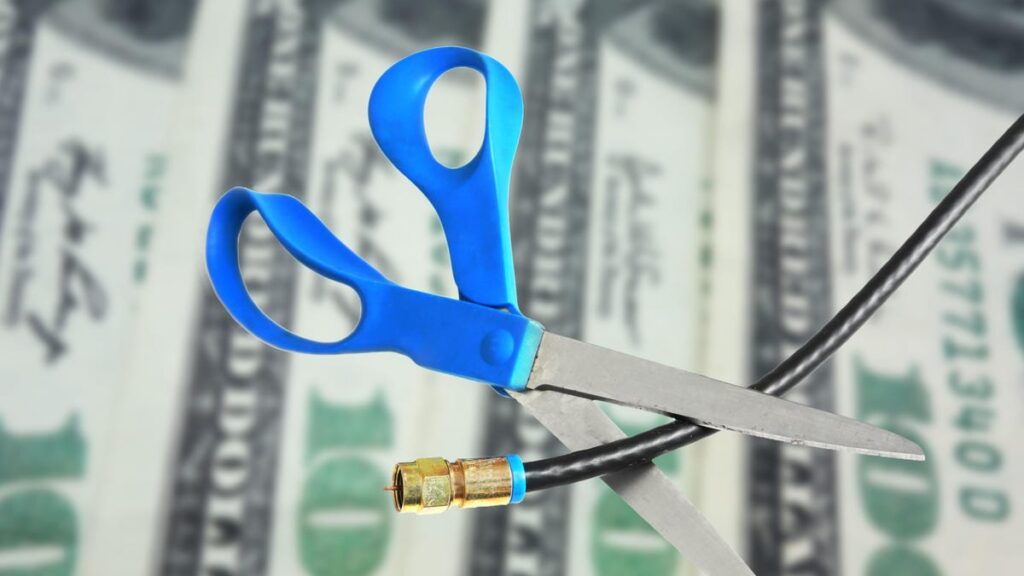
Table of Contents
The Price of Convenience
For years, the promise of “cutting the cord” was simple: ditch the rigid contracts and proprietary hardware of traditional cable for a leaner, cheaper, and more flexible digital alternative. But in 2026, that value proposition is blurring. As the major virtual Multichannel Video Programming Distributors (vMVPDs) iterate on their pricing models, the cost of a comprehensive live TV streaming package is beginning to mirror the monthly bills of the legacy cable companies they were designed to replace.
The current landscape is dominated by a handful of heavyweights—YouTube TV, Hulu Plus Live TV, Fubo, Sling TV, DirecTV Stream, and Philo. While they all offer the core utility of live television, the divergence in their channel lineups and pricing strategies has created a complex decision matrix for consumers. The choice is no longer just about which interface is smoother, but about which specific network gaps a user is willing to tolerate.
The High-End Tier: Hulu and YouTube TV
At the top of the market, Hulu Plus Live TV and YouTube TV are fighting for the “everything’ package’ crown. Hulu has leaned heavily into its ecosystem advantage; by bundling Disney Plus, ESPN, and its own massive on-demand library, it justifies a steep $90 monthly base price. For users who prioritize prestige content like The Bear or Shōgun alongside live sports, the bundled value remains high, even if the raw channel count lags slightly behind its chief competitor.
YouTube TV remains the gold standard for user experience, particularly its cloud DVR and intuitive interface. At $83 per month, it offers a more robust channel roster than Hulu, though it continues to struggle with the industry-wide trend of 4K content scarcity. While the 4K add-on is available, the actual volume of broadcasted 4K content remains a niche offering, leaving users paying for a capability that few networks are fully utilizing.
The Budget Pivot: Sling and Philo
For those still seeking the original “lean” promise of streaming, Sling TV and Philo offer the only viable exits from the $80+ monthly bracket. However, these savings come with increasing volatility. Sling TV has recently restructured its Blue package, implementing a tiered pricing system based on local station access. Users without local channels pay $46, while those with three or more local networks now face a $55 monthly bill—a strategic shift that effectively taxes the most desired feature of the service.
Philo has similarly pivoted, rebranding its offerings to better compete in the bundle war. Its new “Bundle” plan at $33 a month integrates HBO Max, Discovery Plus, and AMC Plus. This represents a shift in strategy: Philo is no longer just a skin for linear channels, but a curator of fragmented streaming apps.
Carriage Disputes and Content Gaps
The stability of these platforms is frequently undermined by carriage disputes—the high-stakes poker games between streamers and networks over licensing fees. Fubo’s ongoing friction with NBCUniversal is a prime example, leaving a noticeable hole in its lineup. While Fubo has attempted to mitigate this by lowering subscription costs, the loss of key networks often outweighs the marginal monthly savings for sports fans.
This volatility highlights a fundamental truth about the current era of digital TV: the hardware has changed, but the economics of broadcasting have not. Whether via a coaxial cable or a fiber-optic stream, the consumer is still subject to the whims of network negotiations and the inevitable upward creep of subscription pricing.