Microsoft’s Next Surface Pro Pivot: Leaks Point to OLED and Snapdragon X Elite Power
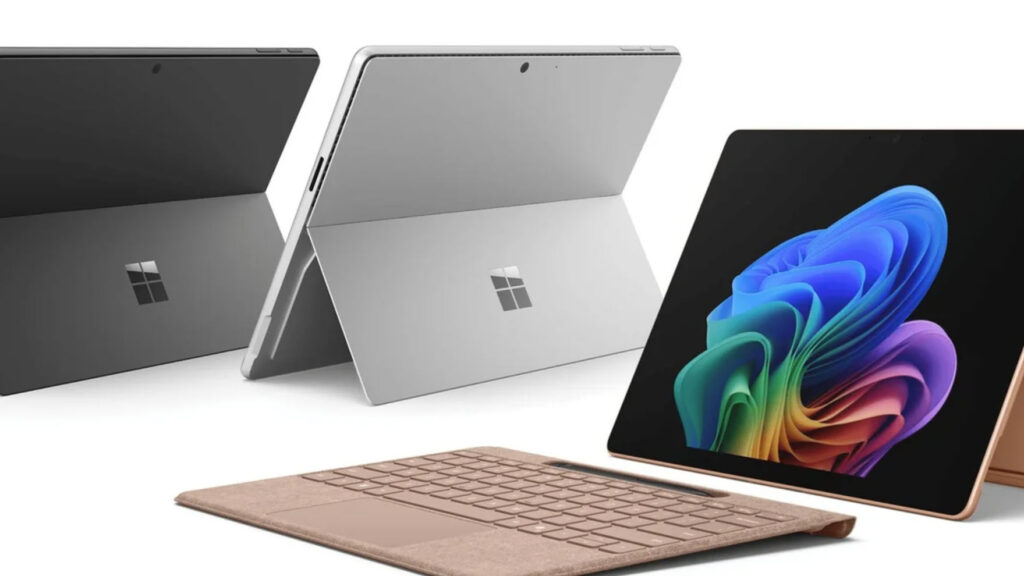
Table of Contents
A Strategic Shift Toward ARM
Microsoft is aggressively diversifying its hardware portfolio, moving away from a one-size-fits-all approach to silicon. While the company recently expanded its Surface Laptop lineup, new leaks suggest the upcoming Surface Pro 13 is designed to be the vanguard of Microsoft’s ARM-based ecosystem. At the heart of the device is the Qualcomm Snapdragon X Elite, specifically the variant featuring 12 Prime Oryon cores, aimed at bridging the performance gap between traditional x86 laptops and the energy efficiency of ARM.
This pivot isn’t just about battery life; it’s about the NPU. The device is expected to leverage the Hexagon NPU, capable of delivering up to 80 TOPS (Tera Operations Per Second) in INT8 precision. This hardware alignment is clearly intended to support the next wave of Copilot+ AI features, allowing for local, low-latency AI processing that doesn’t rely entirely on the cloud.
Display and Peripheral Evolution
Perhaps the most significant upgrade for power users is the rumored move to an OLED display. For years, the Surface Pro line has relied on high-quality LCDs, but an OLED transition would drastically improve contrast and power efficiency—critical for a device marketed as a portable productivity hub. The panel will maintain native support for the Surface Slim Pen, ensuring the device remains a viable tool for digital artists and note-takers.
The leaks also point to a new “FlexKeyboard.” Unlike previous type covers that functioned primarily as a physical bridge, the FlexKeyboard is rumored to operate in three distinct modes: traditional laptop-style attachment, detached wireless use, and a hybrid tablet mode. This suggests Microsoft is trying to further decouple the keyboard from the chassis to give users more ergonomic flexibility.
Under the Hood: Specs and Constraints
While the processor is a leap forward, some internal specs remain conservative. The device is expected to ship with 32GB of soldered RAM, a decision that maximizes speed but removes the possibility of future upgrades. Storage options are slated at 256GB, 512GB, and 1TB. Notably, the leak indicates the use of a PCIe 3.0 SSD. While this is slower than the PCIe 4.0 or 5.0 standards found in high-end gaming rigs, it is a pragmatic choice for an ARM device where heat management and power draw are the primary concerns.
Connectivity is streamlined with two USB-C 4.0 ports, which will handle the trifecta of charging, high-speed data transfer, and external video output. To combat the historical struggle of ARM on Windows, the Surface Pro 13 will utilize an updated x86 emulation layer, allowing users to run legacy software that hasn’t yet been natively compiled for ARM64.
The Efficiency Gamble
The primary selling point for the Snapdragon-powered Surface Pro will be endurance. Leaked benchmarks suggest a video playback runtime of at least 15.5 hours. If these figures hold, it would place the Surface Pro 13 in direct competition with the MacBook Air’s efficiency, potentially eliminating the “battery anxiety” that has plagued previous Intel-based Surface iterations.
The device is expected to launch in three colorways: Black, Platinum, and a new ‘Dune’ option. If the leaked timeline is accurate, we can expect an official unveiling and release around June 16th, positioning it as a centerpiece of Microsoft’s summer hardware push.


