Beyond the Pod: Analyzing the Quality Gap in the K-Cup Ecosystem
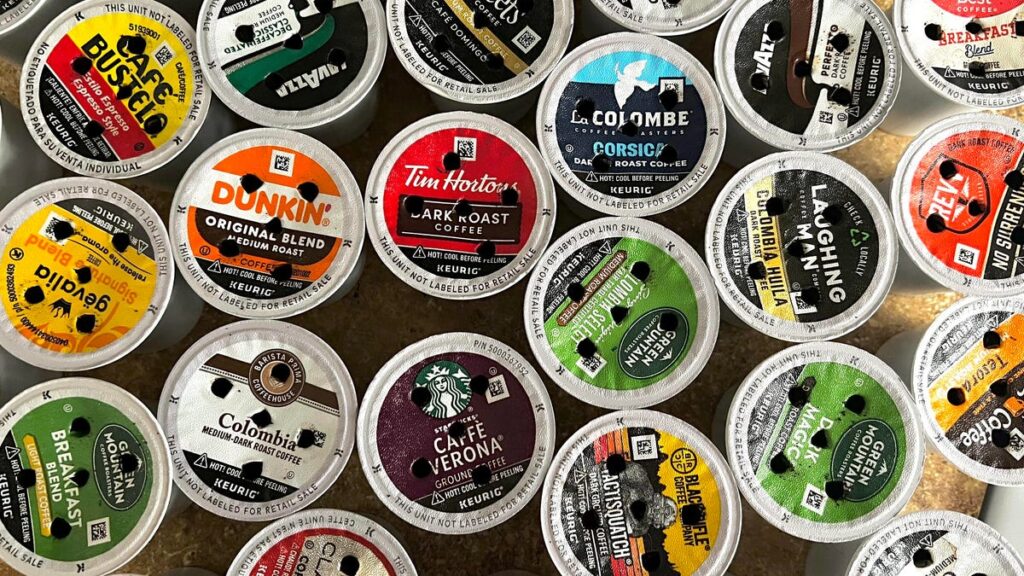
Table of Contents
The Single-Serve Paradox
For millions of households, the Keurig brewing system represents the ultimate trade-off between convenience and quality. While the push-button interface has democratized the morning caffeine ritual, the resulting beverage often suffers from a lack of depth, often tasting more like a ‘caffeine placeholder’ than a curated roast. The central challenge for the consumer isn’t the hardware, but the variable quality of the K-Cup ecosystem.
To determine if the single-serve format can actually deliver a specialty-grade experience, we conducted a comprehensive taste test of 40 different pods. The objective was to identify brews that maintained body, aromatic complexity, and a lack of bitterness—traits typically reserved for pour-overs or espresso-based methods. The results suggest a significant disconnect between premium price points and actual flavor performance.
The Value Play: Unexpected Heavy Hitters
One of the most striking findings from the test was the performance of mass-market brands. In an industry where ‘artisanal’ labeling often drives a price premium, McDonald’s McCafé Premium Roast emerged as a surprising leader. Often dismissed as corporate coffee, this 100% arabica blend delivered a medium-toasted, full-bodied profile with a nutty complexity that remained stable even when brewed in larger volumes.
At approximately 46 cents per pod, the McCafé blend outperformed several boutique roasters, proving that consistency in large-scale sourcing can occasionally beat out small-batch variability in the pod format. Similarly, The Original Donut Shop Dark roast provided a robust, balanced profile that avoided the charred bitterness common in many ‘dark’ single-serve options, making it a reliable baseline for those who prefer a traditional, uncomplicated cup.
Technical Nuance and Sourcing
When moving into the specialty tier, Kahawa 1893 demonstrated that technical tasting notes can actually translate to the K-Cup format. Their Safari Blend, marketed as a medium roast, successfully delivered the promised hints of caramel and chocolate. More importantly, it maintained a ‘bright’ finish, a characteristic often lost in the high-pressure, rapid-extraction process of a Keurig machine.
The integration of diverse bean origins also played a role in flavor stability. Newman’s Own Organic Special Blend distinguished itself by blending Central American beans with Indonesian varieties. The inclusion of Indonesian coffee—a rarer find in the K-Cup aisle—added a layer of depth and earthiness that prevented the brew from tasting flat, a common failure in organic pods that often prioritize purity over roast profile.
The Light Roast Struggle
Light roasts are notoriously difficult to execute in single-serve machines, as they typically require higher temperatures or longer saturation times to extract full flavor. Most tested light roasts resulted in a sour or thin beverage. However, Caribou Coffee’s Daybreak Blend managed to carve out a niche, providing a bright, acidic profile that didn’t veer into the unpleasant vinegary territory that plagues its competitors.
Comparative Value Analysis
| Brand | Roast Profile | Key Note | Approx. Price/Pod |
|---|---|---|---|
| McCafé Premium | Medium | Nutty/Smooth | $0.46 |
| Donut Shop Dark | Dark | Robust/Balanced | $0.59 |
| Kahawa 1893 Safari | Medium | Caramel/Chocolate | $0.78 |
| Newman’s Own Organic | Special Blend | Earthy/Rich | $0.59 |
| Caribou Daybreak | Light | Bright/Clean | Variable |
The overarching conclusion of the 40-pod trial is that the ‘premium’ label is an unreliable indicator of quality. The most successful pods are those that account for the Keurig’s specific extraction limitations—utilizing slightly more robust roasts or strategic bean blends to compensate for the lack of a traditional filter and slow-drip process.