The Intelligence Gap: Trump’s Appointment of Bill Pulte Sparks Senate Friction Over ‘Acting’ Authority
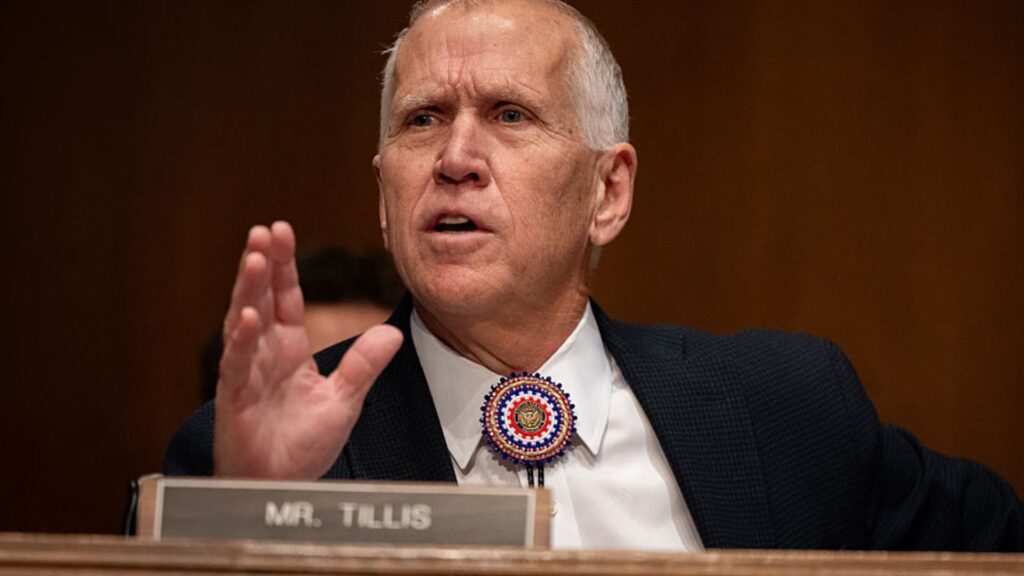
Table of Contents
A Clash of Credentials and Ideology
The friction between the White House and the Senate has found a new flashpoint in the leadership of the U.S. intelligence community. Senator Thom Tillis (R-NC) has emerged as a prominent critic of President Donald Trump’s decision to appoint Bill Pulte as the acting Director of National Intelligence (DNI), describing the pick as an “incendiary attack dog” during a recent appearance on CNBC’s Squawk Box.
The tension isn’t merely political; it is institutional. The role of the DNI is designed to synthesize intelligence from across 18 different agencies—including the CIA and NSA—to provide a cohesive picture of global threats. Pulte’s background, however, is rooted in housing finance rather than clandestine operations or geopolitical analysis. The lack of a traditional intelligence pedigree has left many in the Senate questioning whether the appointment is based on merit or loyalty.
The ‘Acting’ Loophole and Senate Power
Senator Tillis was blunt about Pulte’s prospects for permanent status, stating, “I don’t think he has a prayer” of securing Senate confirmation. This assessment highlights a recurring strategy within the Trump administration: the use of “acting” titles to bypass the formal confirmation process required by the Appointments Clause of the Constitution.
By keeping Pulte in an acting capacity, the administration can maintain a loyalist at the helm of the intelligence community without facing the grueling public scrutiny of a Senate confirmation hearing. However, this creates a precarious leadership environment where the head of the nation’s most sensitive secrets lacks the legislative mandate that typically ensures stability and non-partisan credibility within the IC (Intelligence Community).
From Mortgage Regulation to Global Espionage
Pulte’s current trajectory is an unconventional leap. As the head of the Federal Housing Finance Agency (FHFA), he has spent his tenure focused on the domestic mortgage market and the oversight of government-sponsored enterprises like Fannie Mae and Freddie Mac. Trump has indicated that Pulte will juggle these responsibilities simultaneously, serving as acting DNI while remaining the FHFA director.
Critics point to Pulte’s history of targeting political adversaries as a red flag for a role that requires impartial analysis. His previous tenure was marked by high-profile allegations against figures such as Federal Reserve Governor Lisa Cook and New York Attorney General Letitia James. The concern among intelligence veterans is that a transition from a regulatory “attack dog” to the DNI could lead to the politicization of raw intelligence—a shift that could compromise the objectivity of the President’s Daily Brief (PDB).
The Institutional Risks
The appointment comes at a time when the U.S. is navigating critical cyber threats and escalating tensions with systemic rivals. The transition of leadership in the DNI office usually requires a deep understanding of the “machinery” of government—how to manage the tension between the signals intelligence of the NSA and the human intelligence of the CIA.
If Pulte remains in the acting role indefinitely, the Senate’s primary lever of control—the power of confirmation—is effectively neutralized. For senators like Tillis, this isn’t just about one individual, but about the erosion of the checks and balances intended to keep the intelligence community insulated from the immediate political whims of the executive branch.