Mirror Founder Brynn Putnam Secures $20M for ‘Together Tech’ Gaming Startup Board
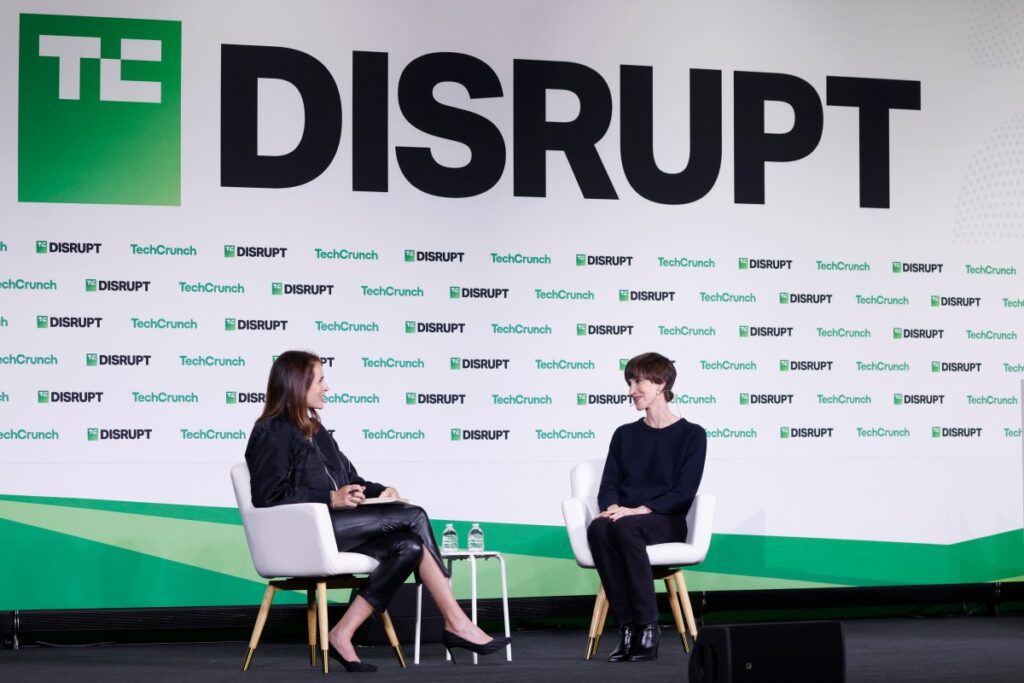
Table of Contents
A Pivot from Solo Performance to Social Play
Brynn Putnam spent years building Mirror into a connected fitness powerhouse, focusing on the individual—the reflection, the personal best, and the solitary grind of a home workout. After exiting that venture via a $500 million acquisition by Lululemon in 2020, Putnam has pivoted toward the opposite end of the human experience: shared physical presence.
Her latest venture, Board, has officially closed a $20 million Series A funding round led by Union Square Ventures (USV). The investment marks a significant vote of confidence in Putnam’s vision of “together tech”—a category of hardware explicitly designed to pull people away from their individual smartphones and back into the same physical room.
The funding round is notably anchored by USV General Partner Michael Mignano, who will join Board’s board of directors in his first investment since joining the firm. The round also drew high-profile angel participation from internet pioneers and entrepreneurs including Biz Stone, Tim Ferriss, and Scott Belsky.
The Hardware: Blending Tactile and Digital
At the center of the company is a 24-inch touchscreen encased in a wood-finish frame, designed to look less like a tablet and more like a piece of living room furniture. Unlike traditional consoles or tablets, Board utilizes proprietary sensor technology to recognize physical game pieces on its surface.
The goal is to preserve the tactile satisfaction of moving a piece on a board while leveraging digital interactivity to handle complex rules, scoring, and dynamic game states. By removing the “screen barrier” that typically accompanies digital gaming, Putnam is betting that consumers are hungry for a hybrid experience that feels grounded in the physical world.
The market response has been unexpectedly swift. Since its public debut at TechCrunch Disrupt last October, Board has deployed units into tens of thousands of homes, hospitals, schools, and restaurants across all 50 U.S. states. According to company data, the product has maintained strong retention, with 85% of users averaging 30 or more play sessions per month—a metric that suggests the device is becoming a habitual part of social gatherings rather than a novelty gift.
The AI Layer: Democratizing Game Design
While the current success is driven by hardware, the new capital is being channeled into an ambitious software play. Board announced the upcoming launch of Board Studio, an AI-powered creation platform designed to lower the barrier to entry for game design.
Board Studio intends to use natural language processing to allow users to describe a game concept and have the AI generate a playable prototype in under an hour. This move signals a shift from being a mere hardware provider to becoming a platform for a new genre of social gaming. By allowing users to build their own interactive experiences, Board is attempting to create a flywheel effect where the community drives the content library.
The Consumer Hardware Comeback
Board’s success comes at a pivotal moment for the venture capital landscape. For years, investors shifted away from consumer hardware due to the high capital expenditures and the “hardware is hard” mantra. However, a shift is occurring, driven by the intersection of AI and sophisticated sensor technology.
This trend is echoed by Ben Lerer of Lerer Hippeau, who led Board’s earlier $15 million funding round. Lerer has noted a resurgence in high-quality founders returning to the consumer pool, arguing that current technological capabilities—particularly in AI—allow for products that were simply impossible a year ago.
For Putnam, Board is less of a business pivot and more of a personal one. The transition from Mirror’s focus on self-improvement to Board’s focus on relationship-building reflects a broader cultural exhaustion with the isolation of the digital age. By leveraging the lessons learned from the Lululemon exit, Putnam is now attempting to scale the feeling of being in the room together.