The Planned Obsolescence Trap: Why Early Android Tablet Failures Still Haunt the Market
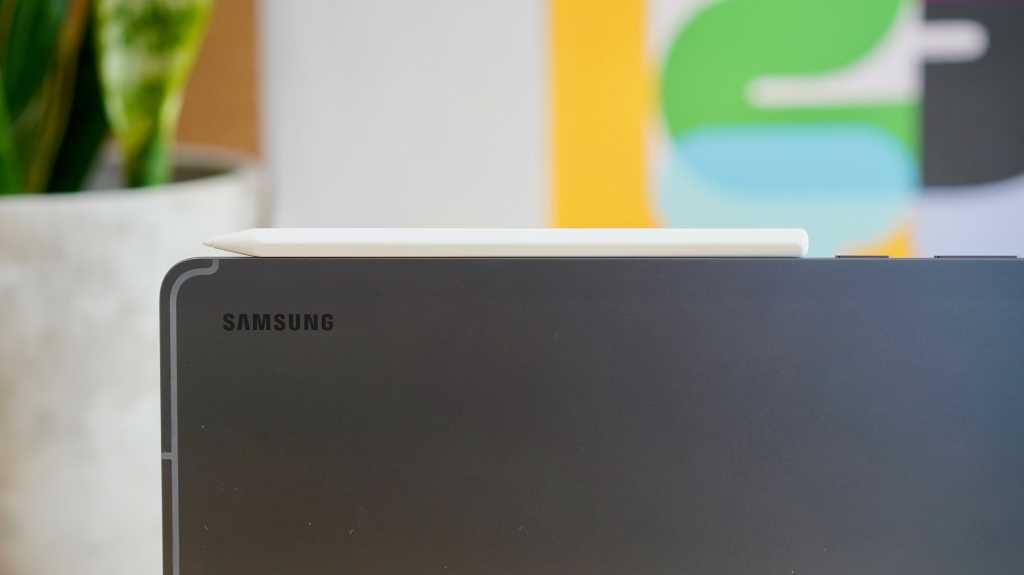
Table of Contents
The Fragile Promise of the Early Android Tablet
In the early 2010s, the tablet market was a binary battlefield. On one side sat Apple, which had fundamentally redefined mobile computing with the 2010 launch of the iPad. On the other was a fragmented but ambitious group of Android manufacturers, led by Samsung. For many early adopters, the appeal of the Samsung Galaxy Tab series wasn’t just about the specs—it was a conscious choice to avoid the ‘walled garden’ of iOS in favor of an open ecosystem.
The Samsung Galaxy Tab 10.1 (GT-P7500), released in 2011, was positioned as a high-performance alternative to the iPad. With a 1GHz dual-core processor, a 7,000mAh battery, and a expansive 10.1-inch display, it offered a compelling value proposition. At the time, the device felt like a legitimate productivity tool that could replace the bulk and heat of a laptop for casual browsing and media consumption. However, for many users, the honeymoon period ended abruptly, revealing a systemic issue with how Android hardware was supported and maintained.
The Update Gap and Software Stagnation
One of the most enduring criticisms of the early Samsung era was the inconsistent rollout of software updates. While Apple maintained a centralized control over its hardware and software, Samsung’s relationship with Google’s Android versions was often fraught with delays. The Galaxy Tab 10.1 shipped with Android 3.1 (Honeycomb), a version of Android specifically designed for tablets that ultimately became a transitional bridge to the more successful Android 4.0 Ice Cream Sandwich.
For users who invested nearly $600 in these devices, the expectation was a reasonable lifecycle of OS updates. Instead, many found their tablets stalled on minor patches, never receiving the major version leaps that defined the era. This lack of software longevity didn’t just mean missing out on new features; it meant a gradual decline in app compatibility and security, rendering powerful hardware obsolete long before the components actually failed.
Hardware Failure and the ‘Dark Side’ Shift
While software stagnation was frustrating, the total hardware collapse was the breaking point for many. Reports from early Galaxy Tab owners frequently cite sudden, catastrophic failures—screens going black without warning and devices refusing to respond to hard resets. In many cases, these failures occurred shortly after the expiration of the standard one-year warranty, fueling accusations of planned obsolescence.
This reliability gap created a massive migration pattern. Users who had spent years championing Android and using flagship smartphones like the HTC Desire found themselves pushed toward the iPad. The irony was that the iPad, often criticized for its restrictive nature, offered a level of hardware durability and long-term software support that Samsung had failed to match in its early tablet iterations.
The Long-Term Impact on Consumer Trust
The legacy of the first-generation Galaxy Tabs serves as a cautionary tale for the current state of the tablet market. Today, Samsung has made significant strides with the S-Pen and the high-end Tab S series, but the psychological scar of the ‘sudden death’ era remains for a specific segment of power users. The shift from Android to iPadOS wasn’t always about a preference for Apple’s aesthetics; it was a flight toward predictability.
As we see a renewed push toward ‘AI PCs’ and foldable tablets, the industry is once again facing the challenge of balancing cutting-edge hardware with long-term viability. The lesson from 2011 is clear: hardware specifications are irrelevant if the software support is nonexistent and the build quality cannot survive a two-year cycle.


