Samsung’s $2,000 Galaxy Fold Faces Early Durability Crisis as Review Units Fail
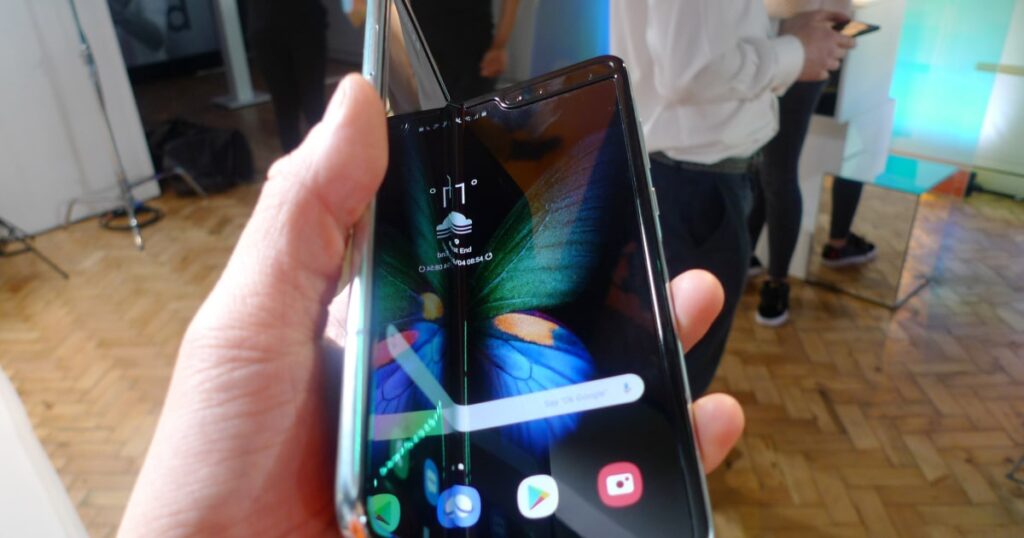
Table of Contents
Early Failures in the Fold
The launch of the Samsung Galaxy Fold was intended to be a watershed moment for mobile hardware, transitioning the industry from rigid glass slabs to flexible displays. However, the rollout has been marred by reports of catastrophic screen failures among the first wave of journalists and reviewers who received the device ahead of its April 26 U.S. release.
Multiple reports indicate that the internal displays are flickering, developing black spots, and in some cases, becoming entirely unresponsive within 48 hours of use. For a device carrying a staggering $1,980 price tag, these failure rates are more than just a technical glitch; they represent a significant reliability concern for a product marketed as the future of the smartphone.
The Protective Layer Controversy
In the immediate wake of these reports, a debate emerged regarding the device’s thin, factory-applied protective film. Some early users mistakenly removed this layer, believing it to be a standard shipping protector. Samsung later clarified that this film is an integral part of the display assembly and must not be removed, as it serves as a critical barrier against scratches and debris.
While the removal of the film may explain some failures, it does not account for all of them. Reporters from The Verge and CNBC have documented screen failures on units where the protective layer remained perfectly intact. A video demonstration from CNBC reporter Todd Haselton showed the left side of the interior display intermittently flashing while the right side remained completely dead, rendering the handset effectively a high-priced paperweight after only two days of standard testing.
Engineering Promises vs. Real-World Performance
Samsung has leaned heavily on the engineering specifications of the Fold to justify its cost. The company claims the hinge and flexible OLED panel are rated for 200,000 folds—roughly 100 open-and-close cycles per day for five years. However, the current reports suggest a discrepancy between laboratory stress tests and real-world stressors.
The central challenge of the Galaxy Fold is the physical stress placed on the organic light-emitting diodes (OLED) every time the device is unfolded. If the adhesive or the structural support beneath the panel fails, it can lead to the exact type of flickering and “bleeding” black pixels reported by reviewers. This suggests that the failure point may not be the number of folds, but rather the structural integrity of the panel under varied environmental conditions.
A Shadow of the Note 7
For Samsung, the timing of these reports is uncomfortable. The company is still mindful of the 2016 Galaxy Note 7 disaster, where flawed battery designs led to spontaneous combustions and a global recall of millions of units. While a flickering screen is far less dangerous than a thermal runaway event, the Note 7 incident left a lasting mark on the brand’s reputation for quality control during ambitious hardware pivots.
In a formal response to the reports, Samsung acknowledged the issues and stated it would “thoroughly inspect these units in person to determine the cause of the matter.” While the company is treating these as isolated incidents affecting a small number of review units, the luxury positioning of the Fold leaves very little room for error.
As the April 26 launch date approaches, the industry will be watching closely to see if these failures persist in consumer hands or if the reported issues were limited to a problematic early batch of pre-production hardware.


