Alphabet’s $80 Billion Equity Play: A High-Stakes Bet on AI Infrastructure
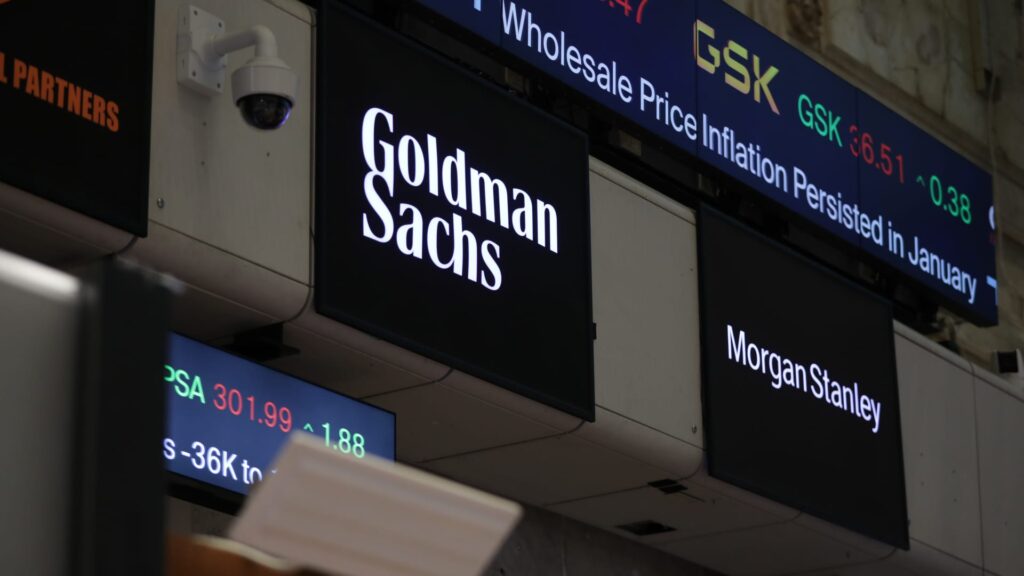
Table of Contents
The $80 Billion Gamble
Alphabet is moving aggressively to secure the financial foundation of its artificial intelligence ambitions, announcing a massive $80 billion equity offering. This is not a routine capital raise; it is a strategic pivot designed to fund the staggering costs of AI compute infrastructure—the sprawling networks of GPUs and TPUs required to keep Google’s Gemini and Vertex AI competitive against a surging tide of rivals.
The scale of the issuance has caught the attention of Wall Street’s heaviest hitters. Anthony Gutman, co-CEO of Goldman Sachs International, described the move as putting the markets in “unprecedented territory.” Speaking with CNBC, Gutman noted that while the issuance is record-breaking, the appetite for such assets remains high. “We all enter it with a degree of humility and caution,” Gutman said, suggesting that while the sheer volume of shares is jarring, it reflects a broader, systemic shift in how the tech industry is funding the next generation of intelligence.
A Strategic Alliance with Berkshire Hathaway
In a move that signals deep institutional confidence, Alphabet has earmarked $10 billion of the offering specifically for Berkshire Hathaway. The allocation to Greg Abel’s team at the conglomerate is more than a financial transaction; it is a vote of confidence in the long-term viability of Google’s AI roadmap. By bringing in Warren Buffett’s orbit, Alphabet is hedging against the volatility of the retail market, securing a stable, long-term capital partner to weather the expensive transition from a search-first to an AI-first company.
The logistics of the sale are being handled by a trio of financial titans: Goldman Sachs, JPMorgan Chase, and Morgan Stanley. Goldman is further serving as the placement agent for the private placement, indicating a highly choreographed effort to minimize market shock while maximizing capital intake.
The Compute War and the Capex Trap
The urgency behind this $80 billion move stems from the “compute war.” As OpenAI, Anthropic, and Meta scramble to build massive data centers, Alphabet faces a dual challenge: maintaining its existing search hegemony while building an infrastructure capable of supporting trillion-parameter models. The costs are astronomical, involving not just the hardware—Nvidia H100s and Google’s own TPU v5p—but the energy grids and cooling systems required to run them.
Industry analysts suggest that Alphabet is attempting to avoid a “Capex trap,” where companies under-invest and lose market share, or over-invest in technology that becomes obsolete within 18 months. By raising a massive war chest now, Google is ensuring it can scale its infrastructure faster than its smaller, venture-backed competitors can secure funding.
A Signal for the Broader AI Market
Alphabet’s move appears to be a bellwether for a wider wave of liquidity events in the AI and aerospace sectors. The market is currently bracing for a record-breaking year of IPOs, most notably the long-awaited public debut of SpaceX. Elon Musk’s aerospace firm is reportedly targeting a valuation of $1.75 trillion on the Nasdaq, with a projected launch date of June 12.
The momentum doesn’t stop with hardware and rockets. Both OpenAI and Anthropic have signaled intentions to go public later this year. If Alphabet can successfully digest an $80 billion offering without destabilizing its stock price, it clears the runway for these AI labs to seek public funding on an even more aggressive scale.
For now, the market remains cautious but optimistic. As Gutman pointed out, the demand for high-quality equity remains robust. Alphabet isn’t just selling shares; it is attempting to buy a guaranteed lead in the most expensive technological race of the century.


