Dentures, Squishmallows, and Robotaxis: Uber’s Lost and Found Reveals the Friction of Driverless Transit
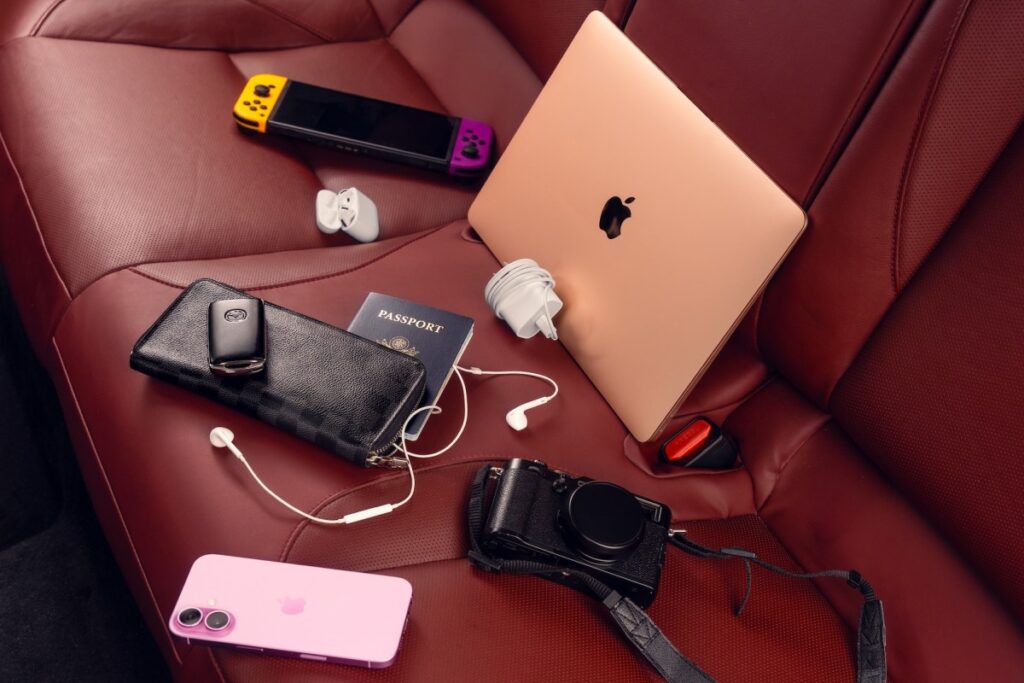
Table of Contents
The Anthropological Record of the Backseat
For a decade, Uber’s annual Lost & Found Index has served as an accidental sociological study. Each year, the company catalogs millions of forgotten artifacts—ranging from the mundane, like iPhones and laptops, to the surreal, such as live butterflies, ankle monitors, and the occasional single Louboutin shoe. It is a glimpse into the chaotic transit of urban life, where the backseat of a car becomes a temporary holding cell for the things we forget in our rush to arrive.
But this year, the index introduces a new variable: the robotaxi. For the first time, Uber is reporting on thousands of items left behind in vehicles with no human driver to say, “Excuse me, you forgot your bag.” Among the rediscoveries in these autonomous cabins were the expected staples—wallets, passports, and headphones—alongside more eccentric finds: a set of dentures, a blue hat reading “Emotional Support Human,” and a bag emblazoned with “I Heart Hot Dads.”
The Logistics of Driverless Recovery
While the list of items provides a certain quirky charm, the underlying reality is a logistical challenge. In a traditional ride-share, a driver can immediately notify a passenger or return an item to the hub. In the world of AVs, the recovery process is entirely decoupled from the ride itself.
The surge in lost items coincides with Uber’s aggressive push into autonomous vehicle (AV) partnerships. While the company has long vetted AV tech, the commercial momentum shifted in March 2025 with the launch of “Waymo on Uber” in Austin, Texas. Since then, the service has expanded to Atlanta, while other partners like Motional in Las Vegas and Avride in Dallas have integrated into the app—though the latter two still maintain human safety operators in the cabin.
The fact that thousands of items have already been logged within a 12-month window serves as a proxy metric for the rapid adoption and volume of robotaxi trips occurring across these pilot cities. It also highlights a critical gap in the AV user experience: the “last inch” of the journey where the passenger exits the vehicle.
Turning Support into a Business Line
Uber is not treating these forgotten items merely as a customer service headache, but as a way to validate its infrastructure. The process for recovery remains consistent: riders use the activity tab in the app to contact support. From there, they are given a choice—pay $15 for an Uber Courier driver (a rebrand of the 2020 Uber Connect service) to deliver the item via same-day local courier, or trek to an AV depot to retrieve the item in person.
This hybrid approach—using human couriers to fix the gaps left by autonomous fleets—is the core of the new Uber Autonomous Solutions division announced in February. This division is designed to be a “backend-as-a-service” for the AV industry, offering software and operational support for everything from robotaxis to sidewalk delivery bots.
“With tens of millions of lost items reported on Uber each year, we’ve spent the last decade building systems that help riders quickly and seamlessly reunite with their belongings,” said Amy Satrom, global head of autonomous support at Uber. “As autonomous rides continue to scale on Uber, we’re bringing that same expertise to AVs.”
The Road to 2029
TheLost & Found data is a small but telling signal of Uber’s broader ambition. The company intends to be the world’s largest facilitator of AV trips by 2029, with plans to expand robotaxi availability to 15 global cities by the end of this year. By solving the “boring” problems—like how to get a 15-pound yo-yo or a Charli XCX poster back to its owner—Uber is attempting to build the operational moat that purely technical AV companies often overlook.
As the industry shifts from experimental pilots to mass-market utility, the ability to manage the human messiness of transit—the lost keys, the forgotten dentures, and the misplaced bags—may be just as important as the software that prevents the car from hitting a curb.


