The ‘Outsider’ Advantage: How Toby Doeden’s Runoff Win Signals a Shift in South Dakota’s GOP Power Dynamics
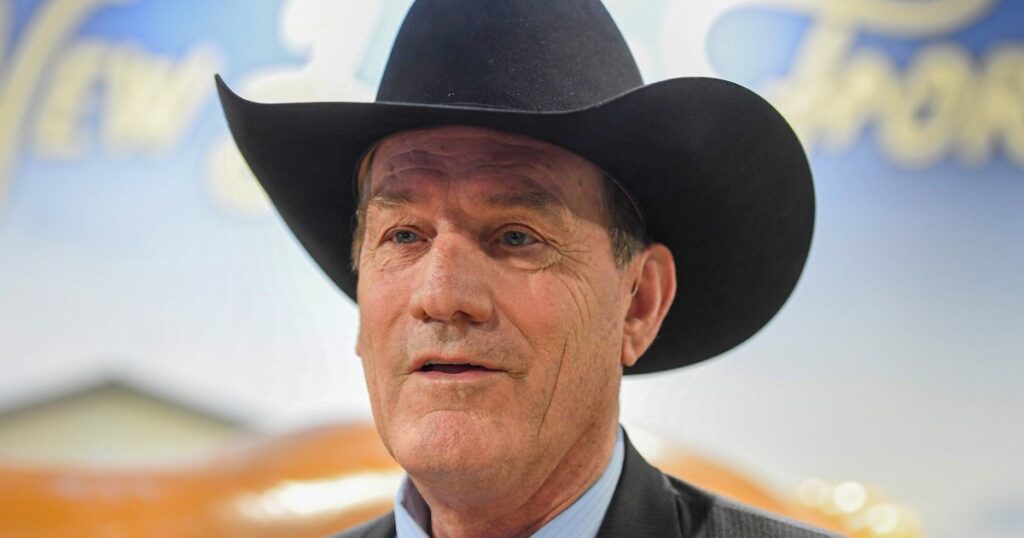
Table of Contents
A Fractured Field and a New Contender
The South Dakota gubernatorial primary has devolved into a high-stakes runoff, with Republican businessman Toby Doeden emerging as a primary force in a race that was expected to be a coronation for the establishment. According to NBC News projections, Doeden has secured a spot in the July 28 runoff after no single candidate managed to cross the critical 35% threshold required to clinch the nomination outright.
The vacancy at the top of the state’s executive branch was created last year under unusual circumstances. Governor Kristi Noem vacated the seat after accepting a nomination from President Donald Trump to lead the Department of Homeland Security, leaving Larry Rhoden—a seasoned political veteran and former lieutenant governor—to step into the role. Rhoden’s bid for a full four-year term was intended to be a steady transition of power, but the entry of Doeden and other challengers has turned the race into a referendum on the state’s political status quo.
The ‘Outsider’ Narrative vs. The Establishment
Doeden’s ascent is not merely a fluke of the math; it is a calculated play on the current appetite for anti-establishment rhetoric within the Republican base. On his official campaign platform, Doeden has leaned heavily into his identity as a political outsider, explicitly claiming to be “tired of the government’s failure to deliver on its promises.”
While he positions himself as a disruptor, Doeden has carefully aligned his brand with the MAGA movement, describing himself as one of Donald Trump’s “fiercest supporters.” This strategy has proven effective in a state where Trump carried the vote by a staggering 29 points in 2024. Interestingly, Trump himself has remained silent on the race, offering no formal endorsement—a vacuum that Doeden has expertly filled by claiming the mantle of the Trump-aligned candidate by proxy.
The casualties of the runoff
The battle for the second runoff spot was a crowded affair, featuring some of the most influential figures in South Dakota politics. Representative Dusty Johnson, the state’s sole member of the U.S. House and former chair of the Republican Main Street Caucus, found himself unable to consolidate enough support to avoid the runoff. Similarly, Jon Hansen, the former state House Speaker with a decade of leadership experience, saw his institutional weight fail to translate into a primary victory.
For Rhoden, the runoff represents a precarious moment. Having campaigned on a platform of property tax cuts and crime reduction, Rhoden possesses the resume of a career public servant—former agriculture secretary, lawmaker, and lieutenant governor. However, in a political climate that increasingly prizes “outsider” status over administrative experience, Rhoden’s extensive history in government may now be a liability rather than an asset.
The Path to November
Despite the internal volatility of the GOP primary, the general election remains a formality for whichever candidate emerges from the July 28 vote. South Dakota remains one of the most solidly “red” states in the union; a Democrat has not held the governor’s mansion since the 1970s.
The real contest is happening now. The runoff will essentially determine whether South Dakota continues with the polished, institutional governance represented by Rhoden or pivots toward the more aggressive, populist approach championed by Doeden. As the July deadline approaches, the focus shifts to whether Doeden can convert his “outsider” energy into a winning majority or if the combined weight of the party establishment will rally behind a more traditional candidate.