Trump Bypasses Senate to Install Housing Chief Bill Pulte as Acting Intelligence Director
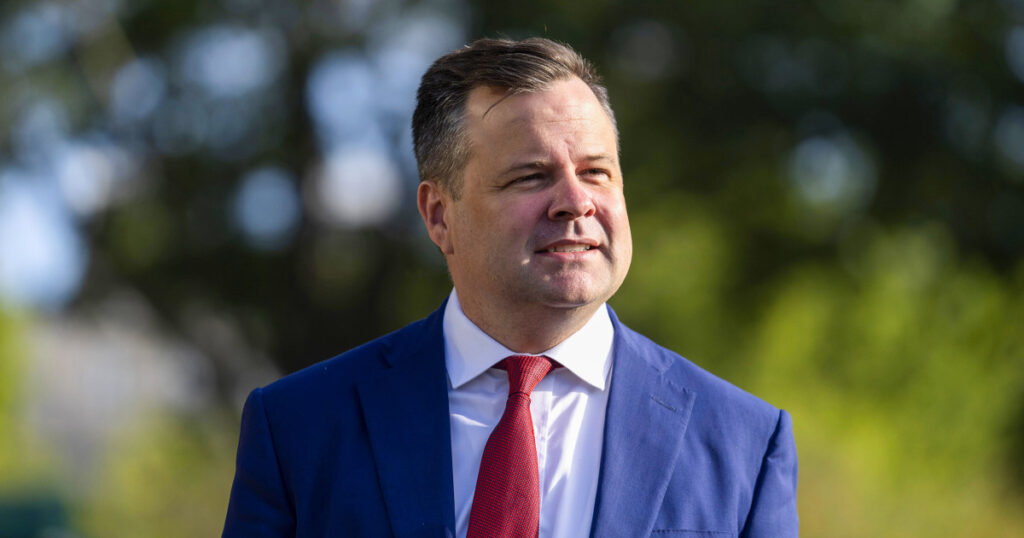
Table of Contents
A Strategic Shift in the Intelligence Hierarchy
President Donald Trump has appointed Bill Pulte, the current head of the Federal Housing Finance Agency (FHFA), as the acting Director of National Intelligence (DNI). The move places Pulte at the apex of the U.S. intelligence community, granting him oversight of 18 different agencies, including the CIA and the National Security Agency (NSA).
The appointment is particularly striking because Pulte lacks a traditional background in intelligence or clandestine operations. Instead, his tenure at the FHFA has been marked by a willingness to leverage government machinery to target the president’s perceived political adversaries. Most notably, Pulte issued criminal referrals against New York Attorney General Letitia James and Senator Adam Schiff—moves that critics argue signal a shift toward the weaponization of administrative roles.
Bypassing the Senate via ‘Acting’ Status
By naming Pulte in an acting capacity, the White House effectively sidesteps the Senate confirmation process required for a permanent Cabinet-level role. This tactic is not new to the current administration; it mirrors a previous trend during Trump’s first term when figures like Richard Grenell were installed as acting DNI despite lacking deep intelligence experience. This allows the president to consolidate power rapidly without the friction of public hearings or legislative vetos.
The consolidation of power extends beyond the DNI role. Pulte will not be relinquishing his duties at the FHFA, nor his roles as chairman of Fannie Mae and Freddie Mac. This creates a highly concentrated nexus of financial and intelligence authority within a single individual. This follows a broader pattern in the current administration, where Secretary of State Marco Rubio also serves as national security adviser, and Todd Blanche holds dual roles as acting attorney general and acting librarian of Congress.
The Fallout: Institutional Alarm and Political Friction
The reaction from Capitol Hill has been swift and sharply divided. Senator Mark Warner (D-VA), the top Democrat on the Senate Intelligence Committee, described the appointment as a dangerous precedent. Warner argued that Pulte was selected not for his expertise, but for his willingness to provide a specific political narrative rather than objective intelligence.
“That is how intelligence becomes politicized,” Warner stated, suggesting that the move leaves the U.S. more vulnerable to external threats by prioritizing loyalty over factual accuracy. Conversely, Senate Majority Leader John Thune (R-SD) remained cautious, noting that while he was just informed of the decision, Pulte would face a “lengthy road” should the president decide to seek a permanent confirmation.
Filling the Vacuum Left by Tulsi Gabbard
Pulte takes the helm following the resignation of Tulsi Gabbard, who stepped down at the end of the month due to family health reasons. Gabbard’s tenure was often characterized by a public skepticism of foreign military interventions and a strained relationship with CIA Director John Ratcliffe.
While Gabbard’s deputy, Aaron Lukas—a veteran CIA officer—was initially tapped for the interim role, the pivot to Pulte suggests that the administration is prioritizing ideological alignment and trust over institutional continuity. This shift occurs at a volatile moment for U.S. foreign policy, as tensions with Iran remain high following stalled peace talks and a series of air campaigns launched in late February.
Trump defended the pick on social media, citing Pulte’s experience managing the “safety and soundness of the Markets” and the trillions of dollars associated with the mortgage giants, framing financial stewardship as a transferable skill to the management of the nation’s most sensitive secrets.