The End of the DS-82: US State Department Finally Digitizes Passport Renewals
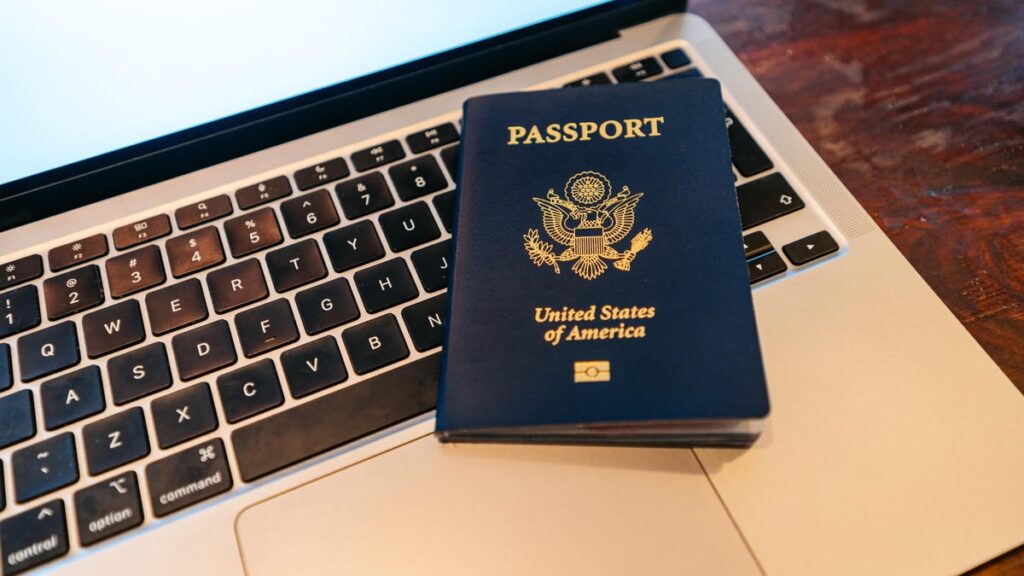
Table of Contents
Moving Beyond the Paper Trail
For decades, renewing a U.S. passport has been a masterclass in bureaucratic friction. The process typically required a specific sequence of analog hurdles: printing the DS-82 form, hunting for a physical photo that meets rigid government specifications, and the precarious act of mailing a check or money order. For many, it was the most dreaded chore of adulting.
The State Department is finally dismantling this legacy system. The rollout of the online renewal system via the MyTravelGov portal transforms a multi-day logistical headache into a digital transaction that mirrors the experience of ordering a product online. By replacing the paper-heavy workflow with a streamlined web interface, the government is attempting to clear a long-standing backlog of citizen frustration.
The Digital Gateway: How MyTravelGov Works
The core of this transition is the MyTravelGov portal, which leverages the centralized login.gov authentication system to verify identity. To get started, users must create a login.gov account—a move that aligns with the broader federal push toward a Single Sign-On (SSO) architecture for government services. This requires email verification and the implementation of multi-factor authentication (MFA), ensuring that sensitive biometric and personal data remain secure during the transmission.
Once authenticated, the application process is surprisingly brisk. While the State Department estimates the process takes about 40 minutes, users with their digital assets ready can often complete the forms in a fraction of that time. The most significant shift is the transition from physical photos to digital uploads, eliminating the common “incorrect photo” rejection that often resets the renewal clock for mail-in applicants.
Eligibility and the ‘Fine Print’
Not every traveler can jump on the digital bandwagon just yet. The online system is primarily designed for those whose current passports were issued within the last 15 years. However, several critical restrictions remain. For instance, those seeking a name change or individuals whose passports were reported lost or stolen cannot use the online portal; they must still navigate the traditional mail-in or in-person agency routes.
One nuance that catches many users off guard is the immediate cancellation of the existing document. The moment an online renewal application is accepted, the current passport is voided. For frequent travelers who might be juggling multiple visas or upcoming trips, this timing is critical. If you cannot afford to be without a valid travel document for a few weeks, the digital route may be too risky.
Processing Times and the Expedited Gap
It is important to note that while the application is now digital, the fulfillment remains analog. The State Department is maintaining its standard “routine service” timelines. Whether you apply via a tablet or a stamped envelope, the turnaround for a new passport remains four to six weeks.
Perhaps the most glaring limitation of the current system is the lack of a digital “fast lane.” Currently, users who need a passport urgently cannot use the online portal to expedite the process. If you need a document in hand within a few days, you are still forced back into the legacy mail-in system, paying an additional $60 for expedited service. This suggests that the digital portal is currently a tool for convenience, not necessarily for speed.
Beyond the Book: Digital Passports and Wallet Cards
The system also streamlines the renewal of passport cards—the wallet-sized versions used for land and sea travel to Canada, Mexico, and Caribbean nations. Users can now renew both their passport book and card simultaneously within the same session, provided they already hold both documents.
Looking further ahead, this digital infrastructure sets the stage for the eventual arrival of the digital passport. With reports that Apple is integrating digital identity features into the iPhone’s secure enclave, the transition to MyTravelGov is less of a standalone update and more of a prerequisite for a future where the physical blue book becomes a backup to a secure digital token.


