Kenyan High Court Forces Government to Unveil Secret US-Backed Ebola Facility Pact
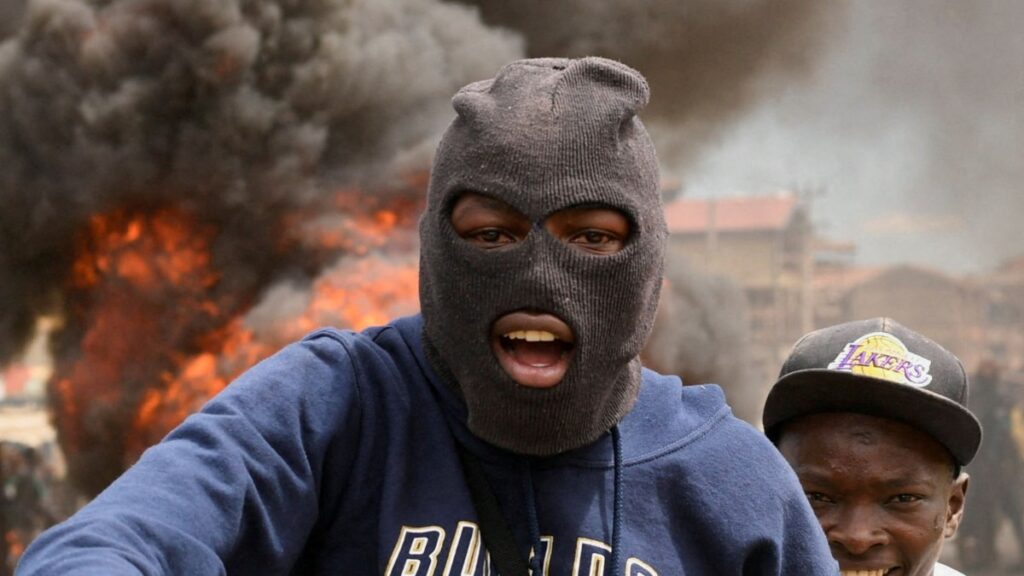
Table of Contents
Judicial Intervention Amidst Civil Unrest
Kenya’s High Court has issued a decisive mandate requiring the government to disclose the full details of a controversial, US-linked Ebola quarantine facility. The ruling comes in the wake of violent unrest in Nanyuki, where hundreds of protesters took to the streets on Monday to oppose the establishment of the site. Reports from the ground, including data cited by Reuters and protest organizer Patrick Wahome, indicate that the unrest turned fatal, with two individuals killed by gunshot wounds.
The court has not only demanded transparency but has extended conservatory orders that effectively freeze the project. These orders prohibit the establishment of any Ebola quarantine, isolation, or treatment facility within the country and strictly bar the admission of individuals suspected of being exposed to the virus until further notice.
The Demand for Biosafety Transparency
The judicial order targets the Cabinet Secretary for Health, requiring the immediate public release of the formal agreement between Nairobi and Washington. Crucially, the court is demanding more than just the contract; it has called for the publication of health and biosafety assessments, regulatory approvals, and the specific operational protocols intended to govern the site.
The legal challenge was spearheaded by the Katiba Institute, a prominent rights group arguing that the lack of transparency surrounding the deal poses a severe risk to public health. During Tuesday’s proceedings, the Law Society of Kenya and the nation’s primary doctors’ union joined the petition, echoing concerns that the facility—proposed for a location within the Laikipia Air Base—could bypass standard safety scrutiny.
A Strategic Hub for Asymptomatic Cases
According to senior US officials, the proposed 50-bed unit is not designed as a general hospital but as a specialized hub for Americans who have been exposed to the virus but remain asymptomatic. This specific use case is intended to prevent the spread of the virus during transit or repatriation.
The geopolitical urgency is driven by an escalating crisis in the Democratic Republic of the Congo and Uganda. Both nations are currently battling the rare Bundibugyo strain of the Ebola virus. The World Health Organization (WHO) has declared this outbreak a public health emergency of international concern after it claimed 48 lives. Experts note that the global response has been sluggish, allowing the virus to outpace containment efforts.
Ruto Defends the US Partnership
President William Ruto has pushed back against the narrative that the facility is an anomaly. Speaking to reporters in northern Kenya, Ruto characterized the Laikipia Air Base unit as a standard component of a wider national preparedness plan. He asserted that Kenya has already established isolation and surveillance facilities across 23 counties, claiming the US-backed site is functionally similar to these existing domestic assets.
The President revealed that he personally approved the facility following a request from US President Donald Trump. Ruto framed the move as a continuation of a long-standing health partnership between the two nations, citing decades of cooperation on HIV/AIDS and COVID-19 initiatives. He maintained that the facility would be available to both Kenyan citizens and foreign partners if the need arose.
Despite these assurances, critics argue that Kenya’s broader health infrastructure remains too fragile to manage the high-containment requirements of an Ebola facility, particularly one operating under the opaque terms of a foreign military agreement. The government now faces a strict deadline to prove that the project adheres to international biosafety standards before it can move forward.