Microsoft Unveils Surface Laptop Ultra: A High-Stakes Bet on NVIDIA RTX Spark and ARM
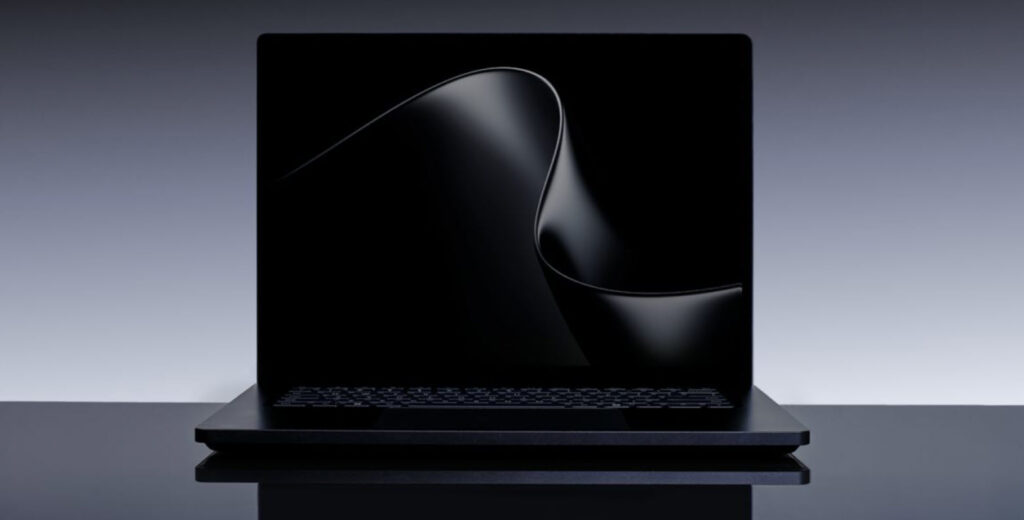
Table of Contents
A Pivot Toward High-Performance ARM
Microsoft has long struggled to find the “Goldilocks” zone for its Surface line—balancing portability with the raw power required by creative professionals. At Computex, the company appears to have found its answer with the debut of the Surface Laptop Ultra. This isn’t just another iterative update; it is a structural shift in how Microsoft approaches high-end computing, centered around the new NVIDIA RTX Spark architecture.
The RTX Spark is a specialized ARM-based CPU and GPU hybrid that signals a deeper collaboration between Microsoft and NVIDIA to challenge the dominance of Apple’s M-series silicon. By moving to an ARM foundation, Microsoft is chasing the efficiency and thermal gains that have defined the modern laptop era, but with a specific focus on the heavy lifting required for local AI workloads.
The Hardware: Brightness and Scale
Visually, the Surface Laptop Ultra is defined by its 15-inch Mini LED PixelSense Ultra touchscreen. The most striking specification is the peak HDR brightness of 2,000 nits—a new record for the Surface ecosystem. This level of luminance isn’t just for outdoor visibility; it’s a direct play for HDR content creators who need precise lighting and contrast without the blooming common in standard LED panels.
In a rare move toward user-centric utility, Microsoft has expanded the I/O array significantly. The Ultra moves away from the restrictive USB-C-only trend, integrating a full-sized HDMI port, USB-A, an SD card slot, and a 3.5mm audio jack. This suggests Microsoft is positioning the Ultra as a primary workstation rather than a travel companion. The device also features the largest trackpad ever integrated into a Surface device, aiming to reduce the reliance on external peripherals.
Solving the Unified Memory Bottleneck
The real story, however, lies beneath the chassis. The Surface Laptop Ultra supports up to 128GB of unified memory, a staggering amount for an ARM-based consumer machine. To make use of this, Microsoft is deploying specific updates to the Windows kernel to optimize how the OS handles memory page sizes on unified systems.
Crucially, Microsoft is raising the memory ceiling available to the GPU. This is a calculated move to enable the execution of larger local LLMs (Large Language Models) directly on the device, reducing latency and privacy concerns associated with cloud-based AI. By allowing the GPU to access a larger slice of that 128GB pool, the Ultra becomes a portable AI development station rather than just a laptop with an AI button.
Thermals and the ARM App Gap
To manage the heat generated by the RTX Spark, Microsoft and NVIDIA have introduced the Microsoft Power and Thermal Framework (MPTF). This framework is designed to optimize performance-per-watt, dynamically shifting power loads to prevent the thermal throttling that has plagued previous high-performance Surface models.
Software compatibility remains the traditional Achilles’ heel of Windows on ARM. Microsoft is leaning on native optimization to bridge the gap, confirming that industry staples like Adobe Photoshop and Premiere Pro now run natively on the RTX Spark architecture. While the gaming library is still limited, the company highlighted the availability of high-profile titles including League of Legends, Valorant, and PUBG, suggesting a concerted effort to make the Ultra viable for those who game on the side.
The Surface Laptop Ultra will be available in Platinum and Nightfall. While official pricing has not been disclosed, the combination of Mini LED technology, NVIDIA’s specialized silicon, and the 128GB RAM ceiling suggests a premium price point that will likely position it as the most expensive laptop in Microsoft’s current lineup.