UK Revokes Travel Permits for Streamer Hasan Piker and Cenk Uygur Over ‘Public Good’ Concerns
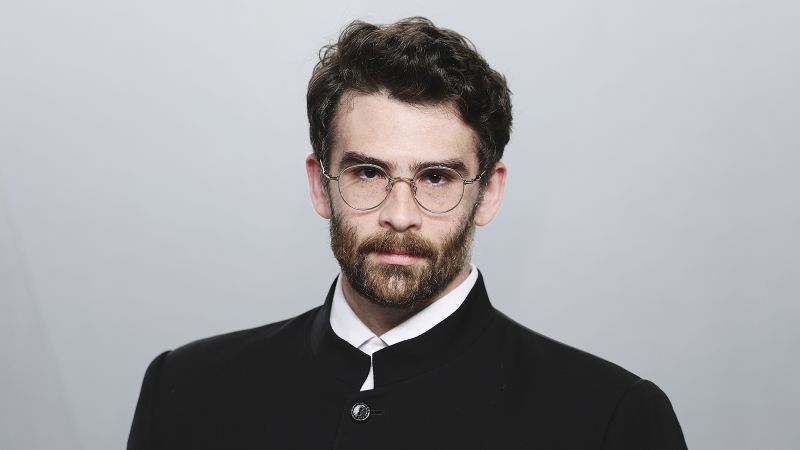
Table of Contents
The British government has blocked American digital creator Hasan Piker and his uncle, broadcaster Cenk Uygur, from entering the United Kingdom, citing concerns that their presence would not be “conducive to the public good.” The decision, executed via the revocation of their Electronic Travel Authorisations (ETAs), comes as both men were scheduled to appear at high-profile events including the South by Southwest (SXSW) festival in London and a session at the Oxford Union.
The mechanism of the ban
Unlike a traditional visa denial, the Home Office targeted the duo’s ETAs—a streamlined digital permit system allowing non-UK citizens to visit for up to six months without a full visa application. By revoking these digital clearances, the UK government effectively neutralized their ability to board flights to the capital.
In a statement, the Home Office maintained that the decision was based on an assessment of the potential risk the individuals pose to UK society. While the government did not explicitly link the move to specific political speech in its official statement, reporting from The Times suggests that the decision regarding Uygur was influenced by concerns that his presence could “risk exacerbating antisemitism.”
Uygur, the founder of the progressive network The Young Turks, discovered the restriction only upon attempting to board his flight. “I’ve been banned for criticizing Israel,” Uygur posted on X, framing the move as an act of state-sponsored oppression of Western citizens on behalf of a foreign government.
Digital influence and the ‘public good’
The move highlights the increasing tension between national security protocols and the reach of modern digital influencers. Piker is not merely a commentator but a massive entity in the streaming ecosystem, with 6.4 million followers across Twitch, X, and Instagram. His broadcasts, which often run for several hours and reach tens of thousands of concurrent viewers, have made him a primary source of political narrative for Gen Z and millennial audiences.
The UK government’s use of the “public good” clause is a broad legal instrument that grants the Home Secretary significant discretion. However, critics argue that applying this to digital commentators sets a precarious precedent for how the state monitors and restricts the movement of critics who lack a physical footprint in the country but possess a massive digital one.
A climate of crackdown
The ban occurs against a backdrop of heightened tensions in the UK following the October 7 attacks and the subsequent military campaign in Gaza. Prime Minister Keir Starmer has previously cautioned that a rise in antisemitic incidents has left Jewish communities feeling unsafe. This environment has created a thin line between monitoring hate speech and suppressing geopolitical dissent.
Lewis Turner, co-vice president of the British Society for Middle Eastern Studies, described the move as a “dangerous precedent.” According to Turner, this is part of a broader pattern of restricting freedom of expression related to Palestine since 2023.
The controversy is further complicated by Piker’s own history of provocative rhetoric. While he maintains that his views are anti-Zionist rather than antisemitic, he has previously faced backlash for comments on the Pod Save America podcast where he suggested he would vote for Hamas over Israel—a group designated as a terrorist organization by the UK, US, and EU. These statements likely provided the Home Office with the necessary justification to claim his presence posed a risk to public order.
For now, Piker and Uygur remain outside the UK, with the Home Office suggesting they may still apply for a formal visa if they wish to challenge the ETA revocation. However, given the current political climate, such an application is unlikely to result in a reversal.