Status AI Secures $17M to Pivot Social Media from Passive Feeds to AI-Driven Roleplay
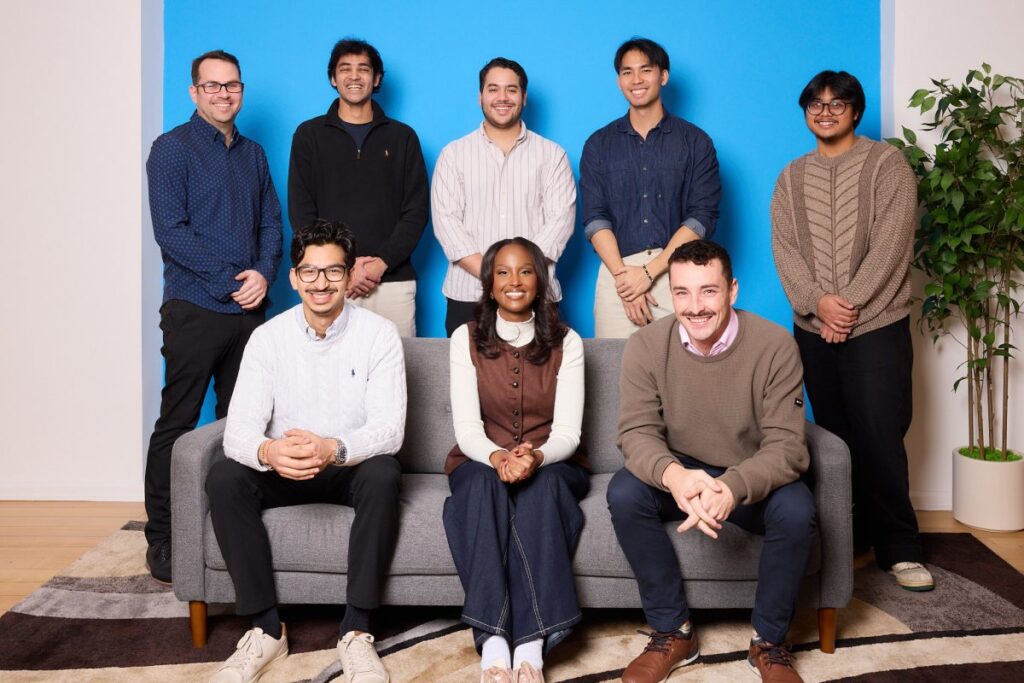
Table of Contents
Beyond the Chatbot: The Rise of Immersive Socials
For years, the dominant pattern of social media has been the ‘feed’—a vertical stream of curated content designed for passive consumption. But a new wave of AI-native startups is betting that Gen Z and Gen Alpha are tired of watching other people’s lives and would rather inhabit fictional ones. Leading this charge is Status AI, which announced Tuesday that it has raised $17 million in combined seed and Series A funding to scale its vision of ‘immersive social entertainment.’
The investment round includes a heavy-hitting roster of venture firms, including General Catalyst, Union Square Ventures, Abstract, Y Combinator, and LightShed Partners. The funding arrives as the industry begins to realize that the first iteration of AI social apps—largely defined by text-based chatbots like Character.AI or Chai—may have already hit a plateau in terms of engagement.
Founded by Fai Nur, Amit Bhatnagar, and Pritesh Kadiwala, Status AI isn’t trying to build a better messenger or a smarter bot. Instead, it is constructing a gamified environment where users craft personas and are dropped into social worlds governed by AI. In these spaces, users don’t just talk to a character; they play a role within a living ecosystem. Whether it’s running for president of a simulated nation, stepping into the plot of a popular novel, or attempting to ‘go viral’ within a fictional society, the app treats social interaction as a multiplayer game.
The Fandom Engine
The core of Status AI’s strategy lies in user-generated content (UGC). Unlike traditional gaming where developers build the world, the settings and narratives in Status are driven by player interaction. Users start by selecting a primary follower and earn more influence as their story progresses, creating a loop of social progression and narrative discovery.
This architecture is particularly attractive to the entertainment industry. Nur noted that the company is already fielding interest from movie studios and streamers. For these entities, Status represents a potential bridge between static IP and active audience engagement. Instead of waiting for a sequel or a spin-off, fans can effectively ‘live’ within the franchise’s universe in real-time.
Rich Greenfield, a partner at LightShed and an investor in the round, suggests that media companies are currently in a desperate search for ways to maintain consumer attention. By moving from a viewing experience to a living experience, franchises can create a level of stickiness that traditional marketing cannot achieve.
A Shift in Social Demographics
The early metrics suggest a strong appetite for this shift. Status reports that more than 13 million worlds have been created, supported by over 5 million distinct character profiles. Notably, Nur pointed out that the platform’s early adoption has been driven predominantly by young women—a demographic that has historically served as the primary engine for cultural trends and platform virality.
This trend aligns with a broader movement toward ‘niche-social,’ where generalized platforms like Facebook are being replaced by smaller, intimacy-focused environments. As investor Natalie Dillon of Maveron has observed, the next generation of winners in social media will likely be ecosystems that blend utility, creativity, and a sense of belonging, rather than those that simply maximize time-on-site through an algorithmically sorted feed.
With the new capital, Status AI intends to scale its infrastructure to support more complex, brand-safe, and dynamic worlds. The goal is to move social media away from the ‘chronically online’ habit of scrolling and toward a more active, creative form of digital existence.