iPhone 18 Pro Leaks Reveal Battery Split Between eSIM and Physical SIM Models
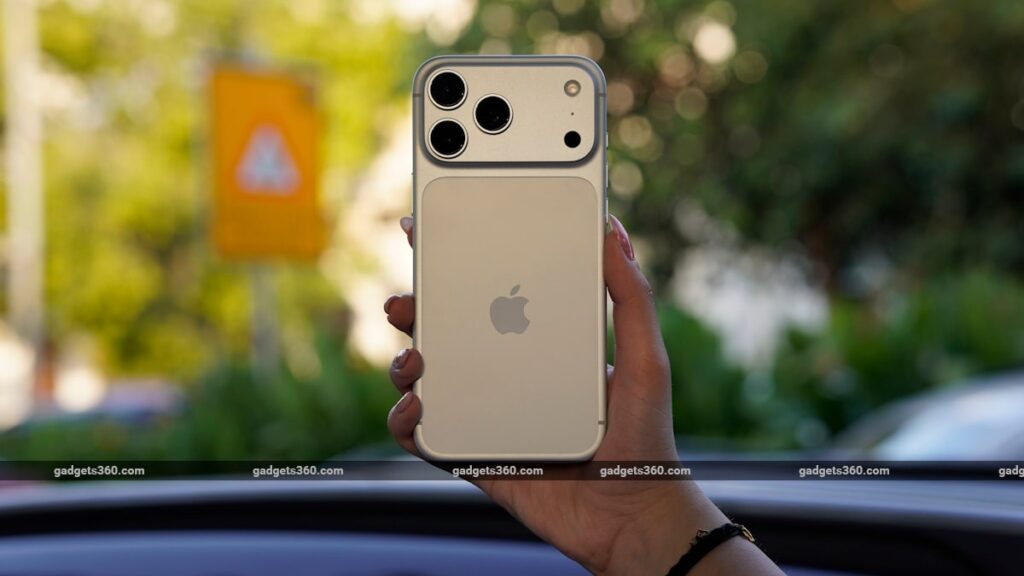
Table of Contents
The Physical Cost of a SIM Slot
For years, the transition from physical SIM cards to eSIMs has been a slow, regional grind for Apple. While the U.S. market shifted abruptly with the iPhone 14, much of the rest of the world still relies on the plastic nano-SIM. Now, it appears that this hardware legacy might come with a tangible penalty for users in those regions.
According to a series of reports originating from Weibo via tipster Digital Chat Station and subsequently corroborated by Ice Universe, Apple is currently testing two distinct battery configurations for the iPhone 18 Pro. The divergence isn’t based on model size, but on the internal chassis layout required to house a physical SIM tray.
The leaked data suggests that the eSIM-only variant—likely the standard for the North American market—could feature a battery capacity of 4,288mAh. In contrast, the versions destined for markets that still require physical SIM support are reportedly seeing a smaller cell, rated at approximately 4,056mAh. While a difference of 232mAh may seem marginal on paper, in the world of flagship efficiency, it represents a swing that could determine whether a device lasts into a second day or dies by 8 PM.
Engineering the 2nm Transition
This battery discrepancy arrives amidst a broader hardware overhaul. The iPhone 18 Pro is expected to be the debut platform for the A20 Pro chip, which is widely anticipated to be built on TSMC’s 2nm process. Moving from 3nm to 2nm isn’t just a marketing iteration; it’s a fundamental shift in transistor density that should, theoretically, offer significant gains in power efficiency and thermal management.
If the A20 Pro delivers the promised efficiency, the smaller battery in SIM-enabled models might be offset. However, the simultaneous introduction of a variable-aperture camera system—a feature long requested by enthusiasts to allow for genuine depth-of-field control—adds another power-hungry variable to the equation. Variable apertures require mechanical actuators that consume more energy than traditional fixed-lens setups.
The Pricing Pressure Point
The convergence of 2nm silicon, a mechanical camera system, and regional battery variations suggests a significant increase in the Bill of Materials (BoM) for the iPhone 18 Pro. Apple has historically managed to keep pricing stable by optimizing its supply chain, but the cost of migrating to a 2nm node is expected to be substantially higher than previous transitions.
This puts Apple in a difficult position. They must either absorb the cost of these advanced components to maintain the current Pro price ceiling or justify a price hike by framing the 2nm chip and variable aperture as “generational leaps.” There is also the optics of the battery split: if the US-market devices objectively outperform the global market in battery life due to the absence of a SIM slot, it could create friction among international consumers who already feel the sting of regional pricing disparities.
While Apple typically keeps its final battery certifications under wraps until the September launch window, the fact that two distinct capacities are appearing in early testing suggests that the internal layout for the 18-series is already being locked in. For users in regions where the physical SIM remains king, the trade-off for convenience may soon be measured in milliampere-hours.