Trump Claims Israel-Hezbollah Ceasefire as Beirut Braces for Invasion
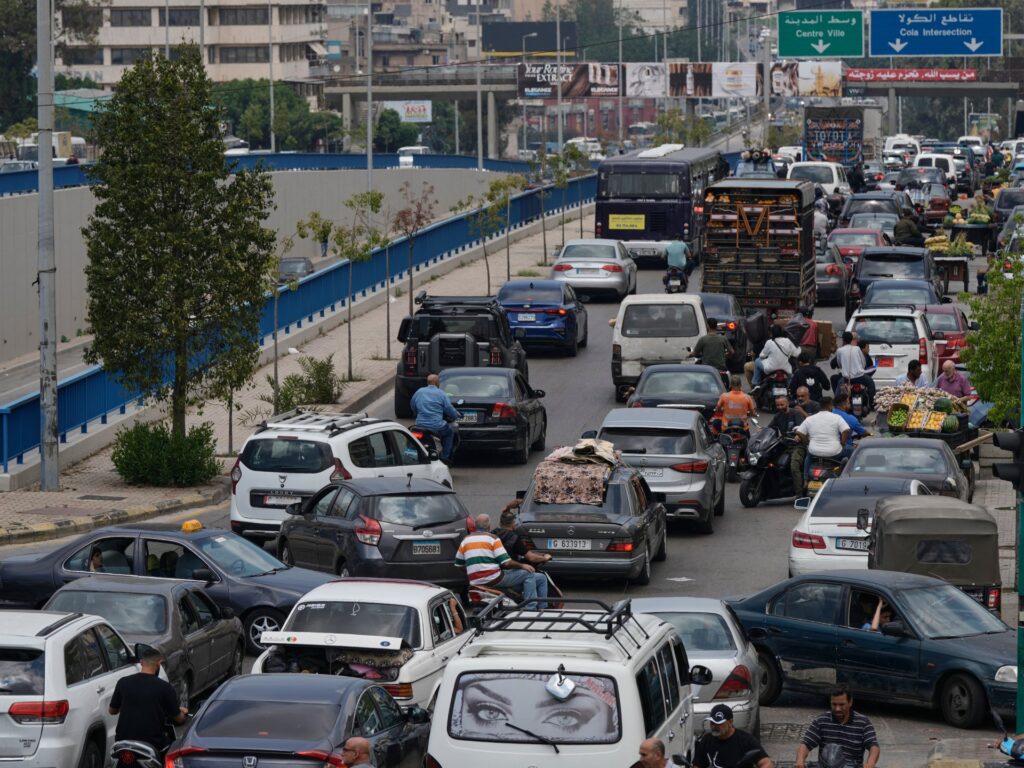
Table of Contents
Diplomatic Claims Clash with Ground Reality
President Donald Trump announced Monday that Israel and Hezbollah have reached an agreement to halt hostilities, a move that comes as thousands of civilians in Lebanon flee the southern suburbs of Beirut. In a series of social media posts, Trump claimed that during a direct call with Prime Minister Benjamin Netanyahu, the Israeli leader pledged to halt a threatened ground invasion of Beirut’s southern suburbs. Trump further asserted that, through “highly placed representatives,” Hezbollah has similarly agreed to a mutual cessation of attacks.
The announcement marks a high-stakes attempt by the White House to mediate a conflict that has reached its most volatile point in decades. According to the U.S. president, any Israeli troops previously tasked with advancing toward the capital have already been turned back. However, the immediate impact of this diplomatic claim remains unclear; reports from Lebanon’s state news agency indicate that Israeli airstrikes continued across the south long after Trump’s announcement, creating a stark disconnect between the White House narrative and the tactical situation on the ground.
The Battle for the Litani and Beaufort Castle
The urgency of the ceasefire follows a significant military escalation over the weekend. In a move that Prime Minister Netanyahu described as a “dramatic shift” in policy, the Israeli military seized the medieval Beaufort Castle north of the Litani River on Sunday. This operation represents the deepest incursion into Lebanese territory in over 25 years, signaling a transition from targeted strikes to a broader strategy of territorial control.
Israel’s objective, according to Defense Minister Israel Katz, is the establishment of a security-controlled zone around the Litani River to neutralize Hezbollah’s infrastructure. Katz maintained a hardline stance on Monday morning, stating there would be “no calm in Beirut” as long as Hezbollah continued its operations in northern Israel. This rhetoric directly contradicted the optimistic tone of the U.S. president’s social media updates, suggesting a rift in the coordination between the Israeli defense establishment and the Trump administration’s diplomatic efforts.
The Washington Roadmap
Behind the scenes, the State Department has been attempting to implement a structured “roadmap” for de-escalation. A U.S. official confirmed that Secretary of State Marco Rubio has been conducting separate negotiations with both Netanyahu and Lebanese President Joseph Aoun. The core of the proposed arrangement is a quid pro quo: Hezbollah halts all attacks on Israel in exchange for a freeze on Israeli escalation in Beirut.
The office of President Joseph Aoun acknowledged the proposal, noting that the arrangement aims to expand into a comprehensive cessation of all hostilities across Lebanon. However, U.S. officials have been blunt in their assessment of the regional dynamics, accusing Hezbollah of acting under Iranian directives that prioritize Tehran’s geopolitical positioning over the stability of the Lebanese state. There are concerns among U.S. diplomats that Iran may be prolonging the conflict to enhance its own leverage as a regional mediator.
Civilian Displacement in Dahiyeh
For the residents of the Dahiyeh suburb in southern Beirut, the diplomatic tug-of-war has translated into a mass exodus. Following a joint statement from the Israeli Prime Minister and Defense Minister on Monday morning ordering strikes on the area, thousands of people began packing their belongings in a frantic attempt to escape. With government-run shelters already at capacity, many displaced civilians have been forced to wait in their vehicles, uncertain if the ceasefire claimed by the White House will actually take hold.
The volatility of the situation is underscored by the divergent accounts of the ceasefire’s status. While Trump insists that “talks are continuing at a rapid pace” and denies that Iran has paused negotiations, the continued sound of explosions in southern Lebanon suggests that a durable peace remains elusive.