Waymo’s New ‘Ojai’ Robotaxi Shifts From Modified SUVs to Purpose-Built Transit
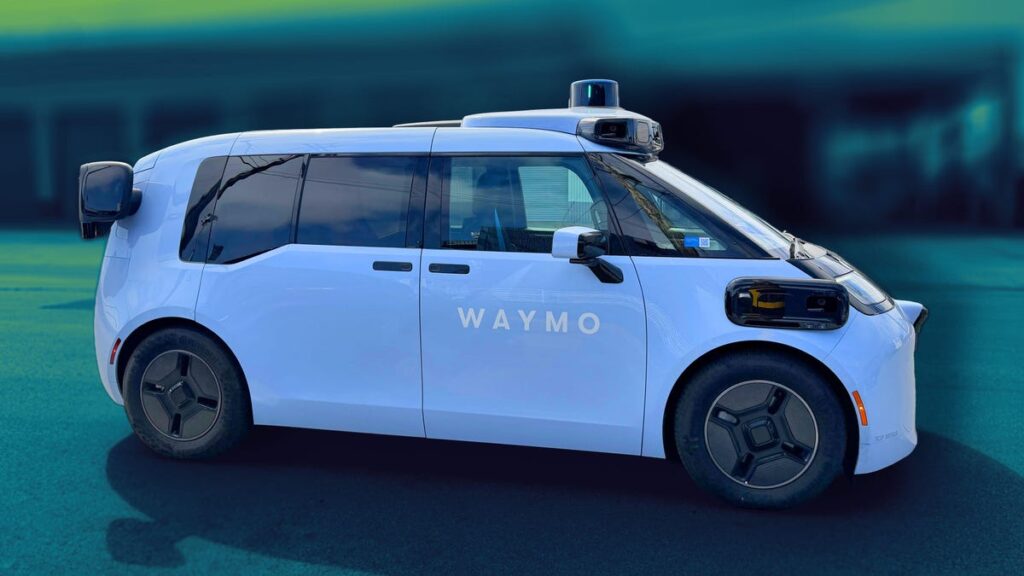
Table of Contents
Moving Beyond the Jaguar I-PACE
For years, the face of Waymo’s commercial operations has been the Jaguar I-PACE—a sleek, luxury electric crossover that served the company well during its transition from experimental testing to public ride-hailing. But as the scale of autonomous operations grows, the limitations of a standard consumer SUV have become apparent. Enter the Ojai.
Pronounced “Oh, hi,” the Ojai represents a fundamental shift in Waymo’s hardware strategy. Moving away from the I-PACE, Waymo has partnered with Zeekr, the premium EV arm of Geely, to deploy a vehicle that feels less like a modified personal car and more like a purpose-built transit pod. The result is a boxier, more utilitarian silhouette that prioritizes interior volume over aerodynamics.
During an early ride in San Francisco, the difference in ergonomics is immediate. The Ojai features a completely flat floor and significantly higher ceilings, removing the cramped feeling common in the I-PACE. Perhaps the most practical upgrade is the implementation of dual-sliding doors, which allow passengers to enter and exit with far more ease in tight urban environments—a critical detail for a service that frequently handles high-turnover curbside pickups.
The 6th Generation Driver and Weather Resilience
While the chassis is a major upgrade, the real story is atop the roof. The Ojai arrives equipped with the sixth-generation Waymo Driver, a sensor suite specifically engineered to solve the “edge cases” that have long plagued autonomous driving: extreme weather.
One of the most notable additions is a dedicated wiper system for the sensor suite. While it seems like a minor mechanical addition, this is a strategic necessity for Waymo’s expansion goals. By mitigating the impact of rain, sleet, and snow on its Lidar and camera arrays, Waymo is positioning the Ojai to move into colder climates where previous iterations of the software struggled with visibility and sensor occlusion.
According to Waymo, the 6th-gen system offers enhanced detail detection and improved object gauging across a wider variety of lighting conditions. This technical leap is designed to reduce the frequency of “disengagements” or cautious stops that can occur when the AI encounters unfamiliar visual noise during a storm.
Designing for Accessibility and Scale
Waymo is also leaning harder into the “inclusive transit” angle. The Ojai includes Braille on several of its interior controls, a subtle but important nod to blind and visually impaired passengers who rely on autonomous fleets to navigate cities without human assistance.
The interior flexibility is also a signal of where the company is heading. While the current Ojai fleet still retains a steering wheel for regulatory or safety reasons, the cabin is designed to be modular. Waymo has indicated that the steering wheel can be removed in future iterations, effectively turning the driver’s seat into a fifth passenger spot. This transition from “driver-assist” hardware to “passenger-only” hardware is the final step in moving from a modified car to a true robotaxi.
Market Rollout and Availability
The Ojai is currently being integrated into existing service areas, starting with San Francisco, Los Angeles, and Phoenix. The rollout is gradual, with select riders being notified via the Waymo app when they are eligible to request the new vehicle type. Further expansion into additional cities is expected later this summer.
By shifting to a Zeekr-based platform, Waymo isn’t just adding more legroom; it is streamlining its supply chain and hardware integration. As the company prepares to compete with the likes of Tesla’s promised Cybercab and Uber’s evolving autonomous partnerships, the Ojai suggests that the future of the robotaxi isn’t a luxury sedan, but a highly efficient, accessible, and weather-proofed mobile lounge.


