France Seizes Sanctioned Russian Tanker ‘Tagor’ in High-Seas Operation to Cripple Shadow Fleet
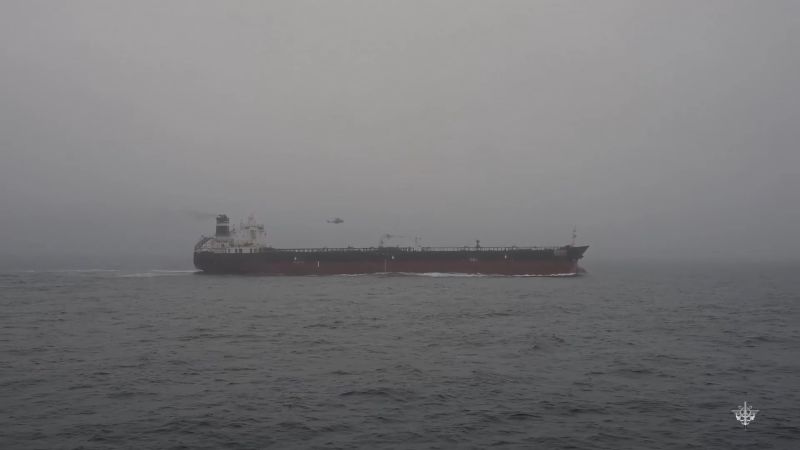
Table of Contents
A Calculated Interception in the Atlantic
In a high-stakes maritime operation conducted in international waters, the French navy has intercepted and seized the Tagor, a crude oil tanker sanctioned by the European Union, the United Kingdom, and the United States. The vessel, which had recently departed from the Russian port of Umba, was stopped in the North Atlantic in a coordinated effort to dismantle the logistics of Russia’s so-called “shadow fleet.”
President Emmanuel Macron confirmed the seizure via X on Monday, stating that the operation was carried out with the support of several international partners, including the UK, and remained in strict compliance with the law of the sea. The Tagor, registered in Madagascar, had appeared on ship-tracking data five days prior, signaling its trajectory across the Atlantic before the interception.
The Mechanics of the ‘Shadow Fleet’
The seizure of the Tagor is not an isolated incident, but rather a targeted strike against a sophisticated network of aging vessels used by Moscow to circumvent Western price caps and sanctions. This shadow fleet consists of several hundred tankers that operate outside traditional maritime norms, often utilizing “false flags,” deceptive registrations, and opaque ownership structures to hide the origin and destination of Russian crude.
From a technical and regulatory standpoint, these vessels represent a significant risk to global maritime security. According to President Macron, these ships frequently disregard the most basic rules of maritime navigation, often operating without valid insurance or recognized safety certifications. This creates a precarious situation where a single mechanical failure or collision could result in a catastrophic environmental disaster in the Atlantic or Mediterranean, with no clear legal entity to hold accountable for the cleanup.
Geopolitical Friction and ‘Maritime Piracy’
The Kremlin has reacted sharply to the move, with spokesperson Dmitry Peskov labeling the seizure “illegal” and claiming the action borders on “international piracy.” The Russian embassy in Paris has further highlighted that the captain of the Tagor is a Russian citizen, asserting that they have requested detailed information from French authorities regarding the crew’s status, which remains pending.
This diplomatic clash underscores the tension between international sanctions enforcement and the traditional freedoms of navigation in international waters. While France and its allies argue that the Tagor was operating in violation of international law by funding a war effort through sanctions evasion, Russia maintains that the seizure is a political act disguised as law enforcement.
A Pattern of Escalation
The Tagor is the third such interception in recent months, signaling a shift in strategy from passive monitoring to active interdiction. In March, the French navy seized another tanker in the Mediterranean, and in January, a similar operation took place between Spain and Morocco. Belgium also recently intercepted a vessel suspected of using fraudulent documentation with French assistance.
While the United States has occasionally eased sanctions on Russian oil already at sea to prevent global supply shocks—particularly as conflict in the Middle East disrupts shipping lanes—Europe has maintained a more rigid stance. The UK government has reiterated that “disrupting, deterring and degrading Russia’s shadow fleet” is a primary strategic priority to starve the Russian military machine of necessary funding.
As the shadow fleet continues to evolve, employing tactics like turning off AIS (Automatic Identification System) transponders to “go dark,” the coordination between the French, British, and Belgian navies suggests a growing, multilateral framework for maritime policing in the era of hybrid warfare.