Explosive Detonation in Myanmar Village Highlights Risks of Unregulated Rebel Mining Operations
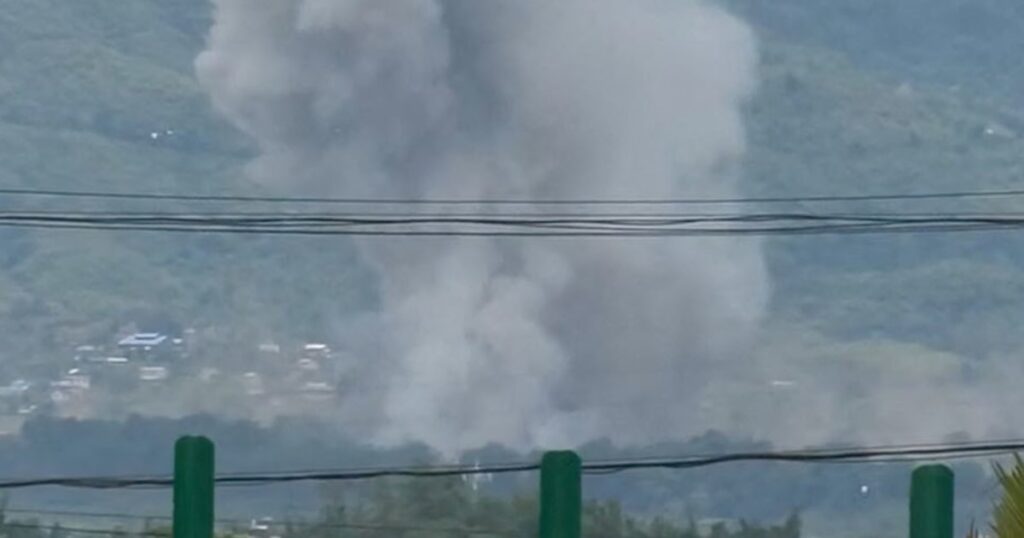
Table of Contents
Catastrophic Blast Levels Kaung Tat Village
A massive, unexplained detonation of explosives stored by the Ta’ang National Liberation Army (TNLA) has devastated the village of Kaung Tat in Myanmar, leaving dozens dead and hundreds of homes in ruins. The blast, which occurred around noon on Sunday, has triggered a desperate rescue operation as local authorities and militia members sift through rubble that witnesses describe as a landscape stripped of recognition.
The TNLA, which currently controls the region near the Chinese border, initially reported a hospital tally of 39 deaths and 75 injuries. However, these figures are being contested by local media and eyewitness accounts, which suggest the death toll may be closer to 55. The scale of the devastation is underscored by the reports of a massive crater left at the site where the materials were stored, with residential structures in the immediate vicinity completely vaporized.
The Mining Connection and Resource Warfare
In a statement released Monday, TNLA spokesperson Lway Yay Oo confirmed that the explosives were being stored for use in mining operations. While the specific type of explosive was not disclosed, the sheer force of the blast—described by witnesses as creating a “mushroom cloud” visible from miles away—indicates a significant quantity of high-grade industrial or military material.
This incident brings a dangerous intersection of technology and conflict into sharp focus. Myanmar’s mineral resources, particularly rare earths and gemstones, have become critical financial lifelines for both the military junta and various ethnic armed organizations (EAOs) during the ongoing civil war. The extraction of these minerals often involves the use of volatile explosives in unregulated environments, lacking the safety protocols and technical oversight found in formalized mining sectors.
The strategic importance of these minerals cannot be overstated; rare earths are essential components in the global supply chain for semiconductors, electric vehicle motors, and defense technology. As the conflict since the 2021 coup persists, the race to control these extraction sites has led to a proliferation of hazardous materials in civilian-populated areas.
Eyewitness Accounts of the Carnage
For residents of Kaung Tat, the event initially mirrored the horrors of the wider conflict. Moe Z, a resident who was traveling approximately 1.5 miles from the village at the time of the blast, noted that the immediate assumption was an airstrike—a common occurrence in the current war. However, the lack of subsequent strikes led him to believe it was a singular, massive internal detonation.
“Based on the explosive force and the sound we witnessed, this was no small explosion,” Moe Z told reporters, noting that the scale far exceeded the typical “drone-drop” bombs used in tactical skirmishes across the country. Upon arriving at the scene an hour later, he described a scene of human carnage and total structural collapse, stating, “It’s as if the entire village has just vanished.”
Local journalists on the ground report that the intensity of the blast buried victims under immense quantities of debris. Search and rescue teams have been forced to employ backhoes and heavy machinery to recover bodies from beneath the rubble of homes that were blown to pieces, leaving not even the support posts standing.
Accountability and Regulatory Vacuum
The TNLA has issued a formal apology for the accident, with Lway Yay Oo stating the group would hold those responsible accountable and focus on rehabilitation efforts for the affected population. However, the incident highlights the precarious nature of governance in rebel-held territories, where the line between military logistics and industrial mining is often blurred.
With over 200 homes damaged and a significant portion of the village eradicated, the tragedy serves as a stark reminder of the risks inherent in the unregulated exploitation of natural resources during a state of total war. The lack of professional explosive ordnance disposal (EOD) standards in these zones creates a persistent threat not only to combatants but to the civilian populations caught in the crossfire of resource extraction.


